Best Portable Coffee Makers for Travel, Camping and Tiny Counters
Portable Coffee Makers: A Brew Revolution for Life on the Move
For millions of coffee drinkers, the morning ritual is sacred. But what happens when you swap a spacious kitchen for a cramped campervan, a tent in the wilderness, or a city apartment with counter space the size of a chopping board? The answer lies in a booming category of gadgets: portable coffee makers. These devices promise café-quality brews without the bulk of traditional machines, and they are transforming how we think about coffee on the go. From lightweight manual espresso presses to compact electric drippers, the market has never been more diverse or more accessible.
This article, based on recent coverage from NBC News, explores the best portable coffee makers for travel, camping, and tiny counters. We will dissect the key players, the technology behind them, and what this trend says about our evolving relationship with coffee and convenience. Whether you are a backpacker, a van-lifer, or a city dweller with limited space, understanding these devices can elevate your daily cup without cluttering your life.
The Rise of Portable Coffee: Why Now?
The surge in portable coffee maker popularity is no accident. It aligns with broader lifestyle shifts: the rise of remote work, the explosion of outdoor recreation, and a growing intolerance for mediocre coffee. According to industry data, the global portable coffee maker market has seen double-digit growth annually since 2019, driven by consumers who refuse to compromise on quality even when away from home. The pandemic accelerated this trend, as people sought ways to replicate their favourite café experiences in their own spaces—whether that space was a tiny apartment or a converted van.
Portable coffee makers also address a fundamental tension: the desire for specialty coffee versus the reality of limited space. Traditional espresso machines are bulky, heavy, and expensive. Drip machines take up valuable counter real estate. Portable alternatives, by contrast, are designed to be stowed in a backpack, suitcase, or drawer. They are often manual, requiring no electricity, which makes them ideal for camping and travel. But they are also increasingly sophisticated, with some models capable of producing espresso with genuine crema. This combination of portability and performance is what sets the category apart.
Key Types of Portable Coffee Makers
Understanding the landscape of portable coffee makers requires a look at the main categories. Each has its own strengths, trade-offs, and ideal use cases. The best choice depends on your priorities: weight, brew quality, ease of cleaning, and whether you have access to boiling water or an electrical outlet.
Manual Espresso Presses
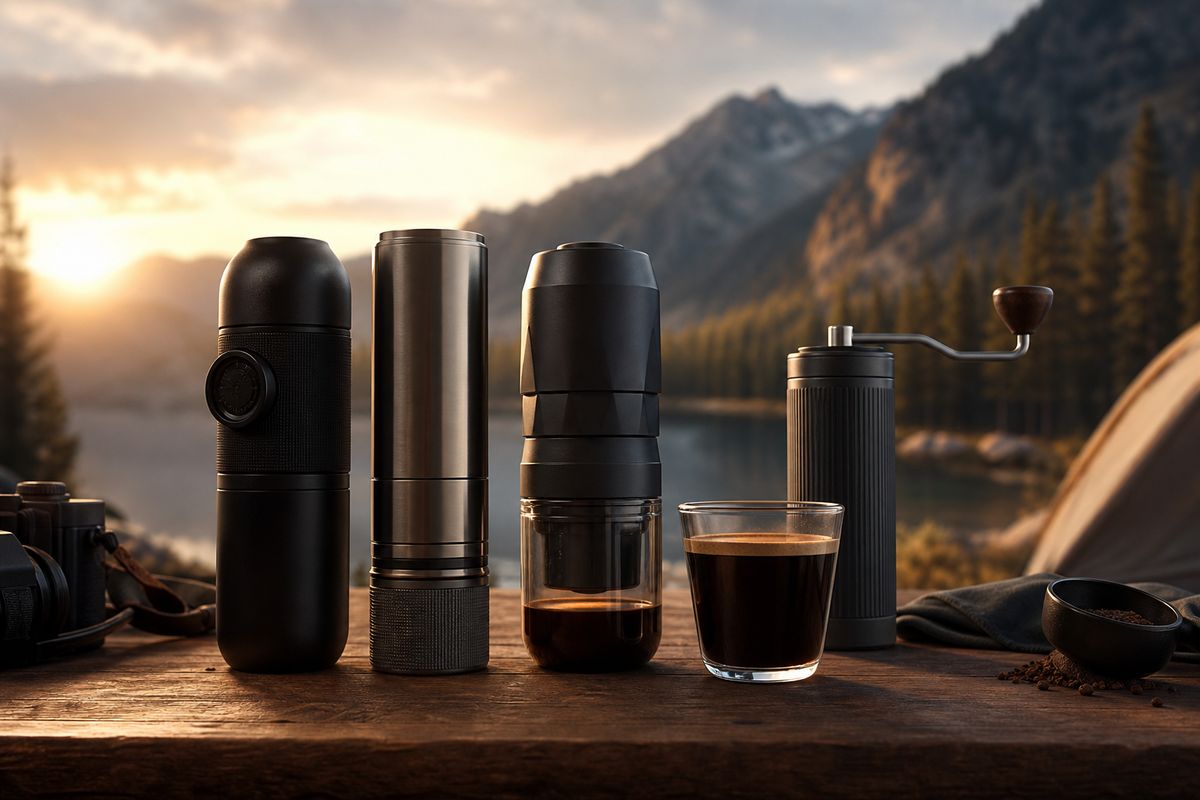
These are the darlings of the portable coffee world. Devices like the Wacaco Nanopresso and the Staresso use a hand-pump mechanism to force hot water through finely ground coffee at high pressure, producing a shot of espresso that rivals many countertop machines. They are compact, lightweight, and require no batteries or electricity. The trade-off is that they demand a bit of effort—pumping can take 30 to 60 seconds—and they require pre-ground coffee or a separate grinder. Cleaning is straightforward but must be done promptly to avoid residue buildup.
Pour-Over and Drip Systems
For those who prefer a cleaner, lighter cup, portable pour-over systems are an excellent option. The Hario V60 Drip Decanter is a classic, but newer designs like the Aeropress Go offer a hybrid approach: immersion brewing followed by pressure extraction. The Aeropress Go is particularly popular among travellers because it is nearly indestructible, easy to clean, and produces a smooth, sediment-free cup. It is not true espresso, but it is a strong, concentrated coffee that can be diluted to taste. These systems are simple, reliable, and require only hot water and a mug.
Electric Portable Makers
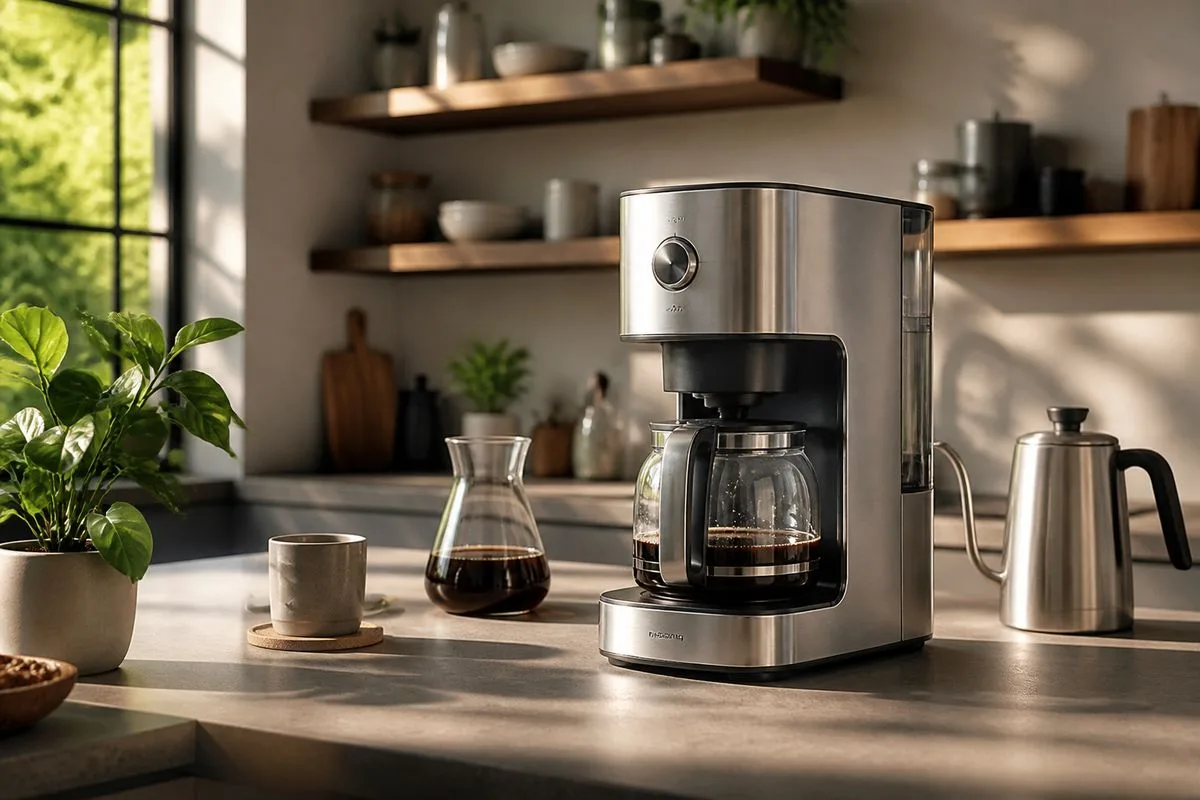
If you have access to a power source—whether a campsite hookup, a car inverter, or a portable battery pack—electric portable coffee makers offer convenience. The Wacaco Picopresso is a manual option, but brands like Breville and Nespresso have also released compact electric machines designed for small spaces. These are less portable than manual options but more user-friendly. They heat water internally and brew with the push of a button. The downside is that they are heavier, require cleaning, and are dependent on electricity.
What to Look for When Buying
Choosing the best portable coffee maker involves weighing several factors. The first is brew quality. Not all portable makers are created equal. Manual espresso presses can achieve pressures of 8 to 18 bars, which is sufficient for real espresso. Pour-over systems, by contrast, rely on gravity and produce a different style of coffee. Consider what you value most: a thick, syrupy shot or a clean, bright cup.
Size and weight are critical for travel and camping. A device that weighs 500 grams and fits in a backpack is ideal for hiking. For tiny counters, height and footprint matter more than weight. Some makers, like the Aeropress Go, are designed to nest inside a mug, saving space. Ease of cleaning is another major consideration. Manual espresso presses often have multiple parts that need disassembly, while pour-over systems are simpler. Finally, consider the cost. Prices range from under £30 for a basic pour-over cone to over £100 for a premium manual espresso press. The investment is often justified by the savings on café coffee over time.
The Bigger Picture
The rise of portable coffee makers is not merely a consumer gadget trend. It reflects a deeper cultural shift toward personalisation, self-sufficiency, and the rejection of one-size-fits-all solutions. In an era of mass production and homogenised experiences, the portable coffee maker represents a return to craft. It empowers the individual to control every variable: grind size, water temperature, pressure, and brew time. This is the same ethos that drives the specialty coffee movement, but applied to the most constrained environments.
Moreover, the portable coffee maker is a symbol of the modern nomadic lifestyle. As remote work becomes permanent for millions, the line between home, office, and travel has blurred. People are no longer tethered to a single location, and their possessions must reflect that mobility. A portable coffee maker is not just a tool; it is a statement of values: quality over convenience, experience over efficiency, and independence over reliance on commercial infrastructure. This trend is likely to accelerate as climate concerns push more people toward minimalist living and as technology continues to shrink the gap between portable and professional-grade equipment.
There is also an environmental angle. Single-use coffee pods and disposable cups generate enormous waste. Portable coffee makers, especially manual ones, encourage the use of reusable filters and locally sourced beans. They reduce reliance on single-serve pods and takeaway cups. In this sense, they align with the broader sustainability movement. The best portable coffee makers are not just convenient; they are a more responsible choice for the planet.
Final Thoughts: Finding Your Perfect Brew Companion
The best portable coffee maker for you depends on your lifestyle, your palate, and your willingness to invest time in the brewing process. For the serious espresso enthusiast who camps, the Wacaco Nanopresso is hard to beat. For the minimalist traveller who wants a quick, clean cup, the Aeropress Go is a proven champion. For the tiny-counter dweller who wants electric convenience, compact drip machines from Breville or Nespresso offer a familiar experience in a smaller footprint.
What is clear is that the era of bad travel coffee is over. Whether you are perched on a mountain summit, parked at a beachside campsite, or squeezed into a micro-apartment, you no longer have to settle for instant granules or lukewarm petrol-station brew. The portable coffee maker has democratised quality coffee, putting the power back in your hands—literally. As the market continues to innovate, we can expect even smaller, lighter, and more capable devices. For now, the options are plentiful, and the choice is yours.