Best Cold Brew Coffee Maker for a Smooth Morning Cup (2026): Expert Guide
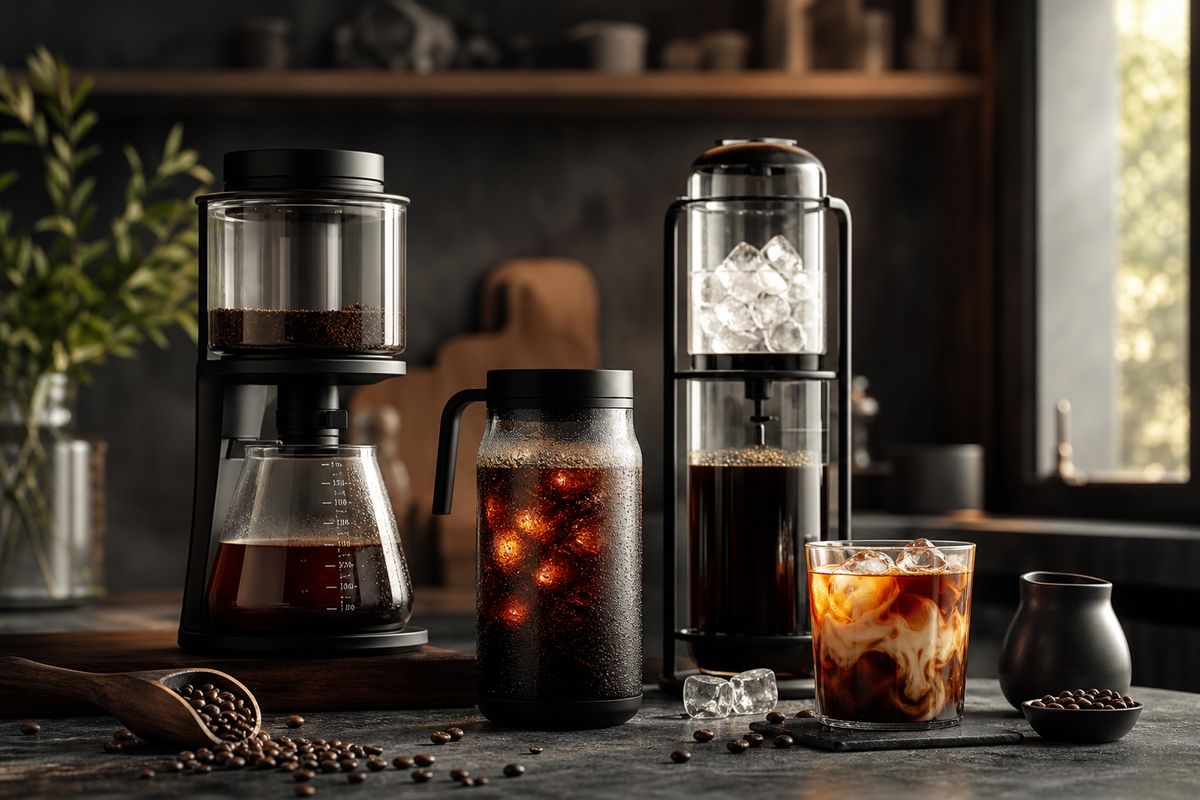
The Rise of the Best Cold Brew Coffee Maker in 2026
For coffee enthusiasts seeking a smoother, less acidic morning cup, the quest for the best cold brew coffee maker has never been more relevant. In 2026, the market is flooded with innovative designs, from immersion brewers to drip systems, each promising a silky, concentrated brew that transforms your morning routine. This article, informed by recent coverage from Bon Appétit, delves into the latest developments, key products, and what this means for your daily caffeine ritual.
Cold brew coffee has evolved from a niche summer treat to a year-round staple, driven by its distinct flavour profile—smooth, naturally sweet, and low in bitterness. Unlike traditional hot brewing, cold brewing extracts flavours slowly over 12 to 24 hours, resulting in a concentrate that can be diluted with water or milk. In 2026, the emphasis is on convenience, durability, and design, with top-tier makers offering features like fine-mesh filters, airtight seals, and dishwasher-safe components.
What Defines the Best Cold Brew Coffee Maker in 2026?
To understand the current landscape, it is essential to examine the criteria that separate a mediocre brewer from an exceptional one. The best cold brew coffee maker must balance extraction efficiency, ease of use, and clean-up. According to industry experts, the ideal brewer produces a concentrate that is free of sediment and sludge, a common complaint with cheaper models.
Key Features to Look For
Modern cold brew makers prioritise filtration systems. Models with reusable stainless steel mesh filters, such as those from Takeya, offer superior clarity compared to paper filters. Additionally, capacity matters: a 1-litre brewer suits single households, while 2-litre or larger options cater to families or offices. In 2026, glass carafes remain popular for their non-reactive nature, but borosilicate glass is preferred for its thermal shock resistance.
Another critical factor is the brewing method. Immersion brewers, where grounds steep directly in water, are the most common and affordable. Drip-style brewers, like the OXO Cold Brew Coffee Maker, use a slow-drip mechanism that can produce a cleaner cup but often at a higher price point. The choice between these methods depends on personal preference for strength and clarity.
Background on Key Players and Technologies
The cold brew market in 2026 is dominated by established kitchenware brands and innovative startups. Bon Appétit’s coverage highlights several contenders that have consistently earned top ratings. The Takeya Cold Brew Coffee Maker, for instance, has been a perennial favourite due to its simple design, airtight lid, and affordable price point (typically under £30). Its fine-mesh filter is praised for minimising sediment, making it a reliable choice for beginners.
Technological Innovations
In 2026, some manufacturers have introduced smart features, such as built-in timers and temperature sensors, though these remain niche. More impactful are material improvements: BPA-free plastics and lead-free glass are now standard. The OXO Good Grips Cold Brew Coffee Maker features a patented rainmaker lid that distributes water evenly over coffee grounds, reducing the need for stirring. This innovation addresses a common pain point—uneven extraction—and has been widely adopted by competitors.
Another notable player is Hario, a Japanese brand renowned for its pour-over equipment. Their cold brew pitcher uses a fine-mesh filter and a narrow neck to minimise oxidation, preserving freshness for up to two weeks in the refrigerator. This focus on longevity is a key selling point for users who brew in bulk.
Analysis: What This Means for the Coffee Industry
The proliferation of cold brew makers reflects a broader shift in consumer behaviour. According to market research, the global cold brew coffee market is projected to grow at a compound annual growth rate (CAGR) of 25% from 2024 to 2030, driven by demand for premium, convenient coffee experiences. In 2026, home brewing has become a cost-effective alternative to café purchases, where a single cold brew can cost £4 or more.
This trend has implications for coffee roasters and retailers. Many are now offering cold brew-specific blends, often with coarser grinds and darker roasts to optimise extraction. The rise of the best cold brew coffee maker also encourages experimentation with flavoured infusions—adding vanilla beans, cinnamon, or citrus peels during steeping—which has spurred a cottage industry of cold brew recipe books and online tutorials.
However, the market is not without challenges. Environmental concerns over single-use plastic filters and packaging have led to a push for reusable components. Brands that fail to adopt sustainable practices risk losing eco-conscious consumers. Additionally, the learning curve for achieving the perfect brew-to-water ratio (typically 1:4 for concentrate) can deter newcomers, underscoring the need for clear instructions and user-friendly designs.
What This Means For You
Choosing the best cold brew coffee maker for your morning cup in 2026 requires a thoughtful assessment of your habits and priorities. If you value simplicity and budget, the Takeya Cold Brew Coffee Maker is a proven workhorse that delivers consistent results without breaking the bank. For those who prioritise clarity and a cleaner cup, the OXO model’s rainmaker lid is worth the extra investment, as it reduces the need for post-brew filtration.
Practical takeaways: First, invest in a brewer with a high-quality filter—stainless steel mesh outperforms plastic in durability and sediment reduction. Second, consider the capacity: a 1-litre brewer yields about four servings of concentrate, which is ideal for individuals, while a 2-litre model suits families or meal preppers. Third, pay attention to the material: borosilicate glass is preferable for longevity, but high-grade Tritan plastic is lighter and shatter-resistant for travel.
Finally, don’t overlook the importance of grind size. Most cold brew makers recommend a coarse grind, similar to breadcrumbs, to prevent over-extraction and bitterness. If your brewer comes with a reusable filter, ensure it is cleaned thoroughly after each use to avoid rancid flavours. By following these guidelines, you can elevate your morning routine and enjoy a smooth, café-quality cup at home.
Closing Thoughts on the Best Cold Brew Coffee Maker
The landscape of cold brew coffee makers in 2026 is rich with options that cater to every preference and budget. From the simplicity of the Takeya to the precision of the OXO, these devices empower consumers to craft a personalised coffee experience. As the market continues to innovate, the emphasis on sustainability, ease of use, and flavour fidelity will only intensify.
Whether you are a seasoned cold brew aficionado or a curious newcomer, the key is to start with a reliable brewer and experiment with ratios and steeping times. The best cold brew coffee maker is ultimately the one that fits seamlessly into your lifestyle, delivering that smooth, refreshing cup day after day. With the insights from this guide, you are well-equipped to make an informed choice and savour the benefits of cold brew at home.