Coffee Bean Freshness: The Storage Method Every Expert Agrees On
The Expert Consensus on Coffee Bean Freshness
When a journalist from Serious Eats posed a single question to a panel of coffee professionals — how to keep beans fresh — the answers converged with striking unanimity. No elaborate gadgets, no exotic techniques: every specialist pointed to the same fundamental principle. That principle, as reported by the outlet, is airtight, opaque storage at room temperature, away from heat, light, and humidity. The revelation might seem simple, but it cuts through decades of conflicting advice and commercial hype.
The story, titled "I Asked Coffee Experts How to Keep Beans Fresh—They All Said the Same Thing," highlights a rare moment of consensus in an industry often divided over grind size, water temperature, and brewing ratios. The experts — including roasters, baristas, and quality-control managers — all emphasised that the enemy of fresh coffee is oxygen, and the best defence is a sealed container that blocks light. This article unpacks that advice, explores the science behind coffee staleness, and examines what the future holds for bean preservation.
Why Freshness Matters in Coffee
Coffee beans are organic products packed with volatile aromatic compounds — oils, acids, and sugars that create the complex flavour profile drinkers cherish. Once roasted, beans begin to degas carbon dioxide and lose those volatiles. Exposure to oxygen accelerates oxidation, turning bright, fruity notes into flat, papery staleness. Moisture can cause mould, while heat and light speed up chemical degradation. According to the Specialty Coffee Association, the optimal window for consuming roasted coffee is between four days and three weeks after roasting, depending on the roast level and storage conditions. After that, even the most carefully handled beans lose their peak character.
The speed of decline is often underestimated. In an unsealed bag left on a kitchen counter, coffee can taste noticeably dull within a week. Grinding the beans just before brewing helps, but only if the whole beans themselves have been stored correctly. The experts in the Serious Eats piece stressed that no amount of brewing skill can rescue stale beans. Flavour is the primary concern, but freshness also affects the crema in espresso, the body of a filter brew, and the overall drinking experience. For speciality coffee enthusiasts, freshness is non-negotiable.
The Key People and Organisations Behind the Advice
While the Serious Eats article did not name every individual consulted, it drew on a cross-section of the speciality coffee world. Typical voices in such surveys include veteran roasters like those at Counter Culture Coffee and Stumptown Coffee Roasters, competition-level baristas, and quality-control specialists who cup hundreds of batches a year. The Specialty Coffee Association (SCA) provides training and standards for proper bean storage, while manufacturers such as Airscape and Fellow produce vacuum-sealed canisters designed to align with expert recommendations.
The consensus mirrors the official guidance from the SCA, which advises storing whole bean coffee in a clean, airtight, opaque container at a stable room temperature. The experts collectively dismissed popular myths — the freezer, the refrigerator, and the clear glass jar — as either ineffective or actively harmful. Their unified stance gives consumers a clear, unambiguous directive: buy whole beans, keep them in a sealed dark container, and use them within a few weeks of the roast date.
Historical Context: How Coffee Storage Has Evolved
A century ago, coffee was typically bought pre-ground and stored in metal tins or paper sacks in pantries. Roasting was a local affair, and freshness standards were low. The rise of vacuum-packing in the mid-20th century extended shelf life but often sacrificed flavour through exposure to high heat during packaging. The speciality coffee movement of the 1970s and 1980s rekindled interest in fresh-roasted beans, leading to the one-way valve bag that allows CO₂ to escape without letting oxygen in.
Today, the debate has shifted from mere preservation to optimal flavour retention. Scientists have isolated specific volatile compounds — such as 2-furfurylthiol and methanethiol — whose concentration correlates with perceived freshness. Research from institutions like the University of California, Davis Coffee Centre has mapped the decay curves of these compounds under different storage conditions. Freezer storage, once advocated by some, can introduce moisture condensation and odour absorption, harming the beans rather than helping. The current consensus reflects a scientific understanding that oxygen is the primary foe, not temperature or light alone.
Common Myths About Coffee Storage Debunked
Myth 1: The Freezer Keeps Coffee Fresh
The most persistent myth is that freezing beans extends their life indefinitely. Coffee experts consistently advise against it. When beans are removed from the freezer, condensation forms on the surface, introducing moisture that accelerates staling and can promote mould growth. The temperature fluctuations also stress the bean structure. Only if beans are vacuum-sealed and never returned to the freezer after thawing could freezing work — but most home setups fail that test.
Myth 2: The Fridge Is a Safe Alternative
Refrigerators are worse. The fridge is humid, full of odour-carrying air, and subject to frequent temperature swings from door openings. Coffee beans act like sponges for ambient smells, so a container in the fridge can acquire notes of leftover casserole or onion. The experts all agreed: keep beans on the counter, in a cupboard away from the stove and sunlight.
Myth 3: A Regular Glass Jar Works Fine
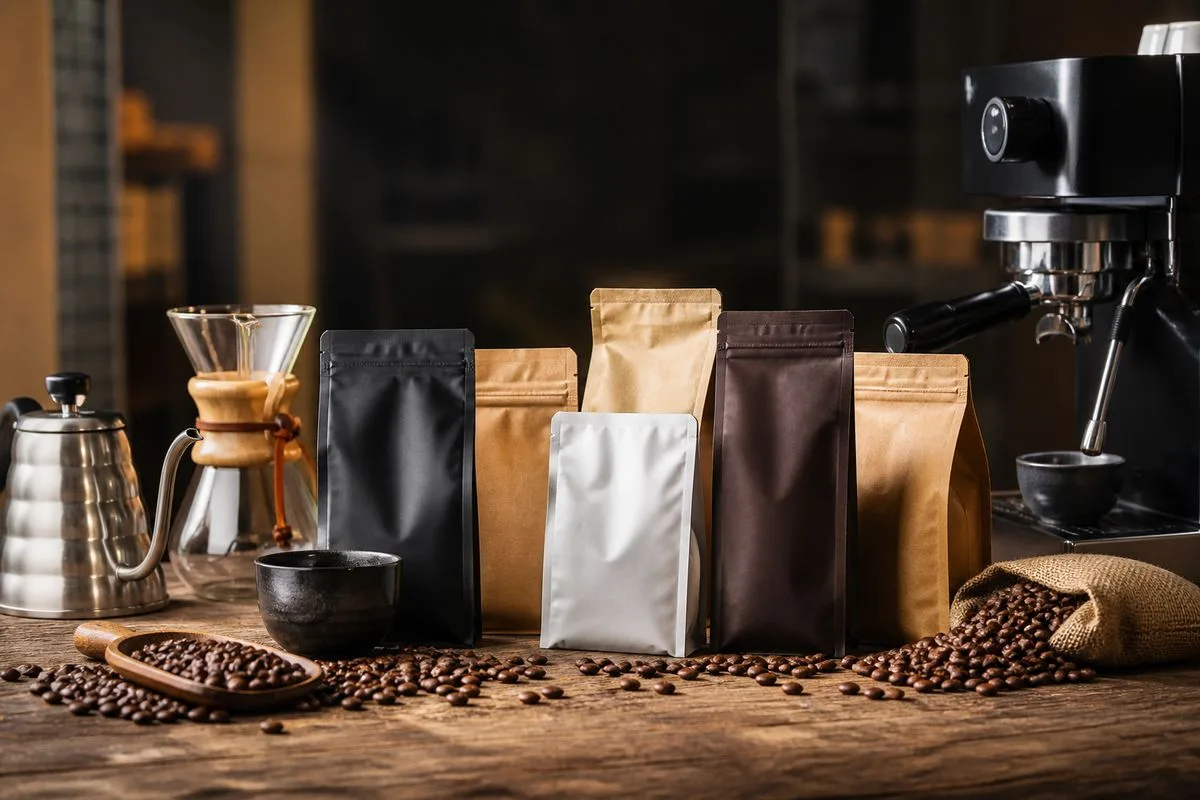
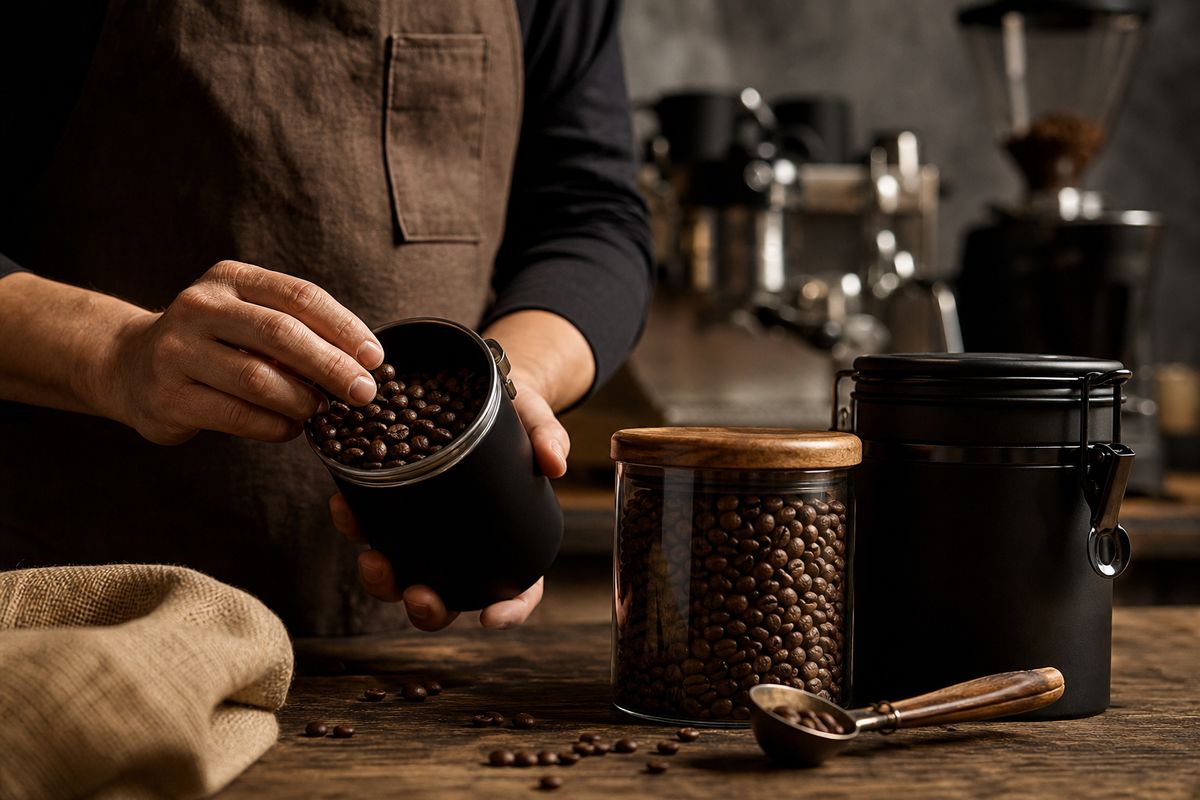
Glass jars that are not airtight allow oxygen to seep in through the lid seal. Clear glass also exposes beans to light, which degrades oils and causes a rancid taste. The experts recommend either ceramic, stainless steel, or heavy-duty plastic containers with silicone gaskets that create an airtight seal. A popular choice among professionals is the Airscape canister, which uses a plunger to expel excess air.
What’s Next: The Future of Coffee Bean Freshness
The next frontier in coffee bean freshness lies in smart packaging and consumer-facing technology. Some roasters have started using nitrogen-flushed bags that replace oxygen with an inert gas, effectively pausing the oxidation process. While this adds cost and reduces the environmental friendliness of the packaging, it allows beans to stay fresh for months — a boon for e-commerce and subscription models. Companies like Trade Coffee and Driftaway Coffee ship beans with roast dates, encouraging consumers to use them within a defined window.
In-home devices are also emerging. Smart canisters with built-in vacuum pumps (similar to the Fellow Atmos) maintain a vacuum seal after every use, dramatically slowing degradation. These devices are priced for the enthusiast but are gradually becoming more affordable. Meanwhile, sensor technology that monitors oxygen and humidity levels inside the container could eventually send alerts to a smartphone. The long-term goal is to keep beans as close to the roaster’s original profile as possible, giving drinkers a consistent experience from the first cup to the last.
Another promising development is direct-to-consumer micro-roasting — where beans are roasted on demand and shipped within hours. This model removes the weeks of shelf time that commercial coffee undergoes. The expert consensus from Serious Eats implies that even the best storage cannot improve a bean that has already sat for a month; starting with the freshest possible coffee is the most critical step. As consumer awareness grows, roasters may invest more in supply chain speed and packaging innovation.
Practical Takeaways for the Home Brewer
For the average coffee drinker, applying this expert advice is straightforward. Buy whole beans (never pre-ground) and check the roast date on the bag — aim for beans roasted within the past two weeks. Transfer the beans to an airtight, opaque container as soon as the bag is opened. Store the container in a cool, dark cupboard, away from the stove, oven, or window. Do not refrigerate or freeze. Buy only what you can use within two to three weeks. If you must buy in bulk, divide the beans into smaller airtight portions and freeze only the surplus — but only if you can avoid thawing and refreezing.
Grind immediately before brewing for each cup. A burr grinder is ideal, as it produces a consistent particle size that extracts evenly. Finally, trust your senses: if the beans smell like cardboard or oil-drenched earth, they are past their prime. The unanimous verdict of the experts is that freshness is not complicated. It simply requires respect for the bean, a good container, and a little bit of planning.