Coffee beans in 2026: why organic and Italian whole bean ranges are expanding
Coffee beans take centre stage again, as retailers push organic and whole bean ranges
Coffee beans are having a very modern moment in 2026, and it is not just about taste. The latest retail ranges highlighted in the source material point to a clear commercial direction: bigger shelves for specialty organic coffee beans in bulk formats, and a parallel push for Italian-style whole bean and ground coffee positioned around authenticity, roast style, and espresso culture. It sounds simple. But it is a big deal because it signals where the value is moving in a mature coffee market: towards provenance, perceived quality, and at-home ritual.
On one side sits a curated selection of organic products positioned as “specialty” and designed for home brewing, with multiple single-origin options and blends. On the other sits a Naples-roasted Italian brand offering whole bean for “maximum freshness” and ground coffee for convenience, spanning dark roasts, medium roasts, and decaffeinated options. Put together, these ranges describe a consumer who wants choice and control, but also wants it easy. And yes, they are willing to buy larger bags and multi-packs if the quality story stacks up.
The underlying story is not a single corporate announcement in the traditional sense. It is a market development visible in plain sight through product strategy: retailers and brands are leaning into coffee beans as a premiumisable staple. The sources do not provide corporate earnings figures or sales volumes, so it is not possible to quantify the uplift. But the breadth of SKUs, the emphasis on organic certification, and the prominence of whole bean formats all point in the same direction.
The 2026 development: organic “specialty” bulk coffee beans and Italian whole bean lines broaden
The clearest signal in the material is the way specialty organic coffee beans are framed and organised for shoppers. The range is presented as a “curated selection” spanning “renowned coffee-growing regions”, with explicit positioning around “exceptional quality” and “thoughtfully sourced beans”. That language matters. It is not the old commodity pitch of “cheap and cheerful”. It is a quality promise, and it is designed to justify higher price points and larger basket sizes.
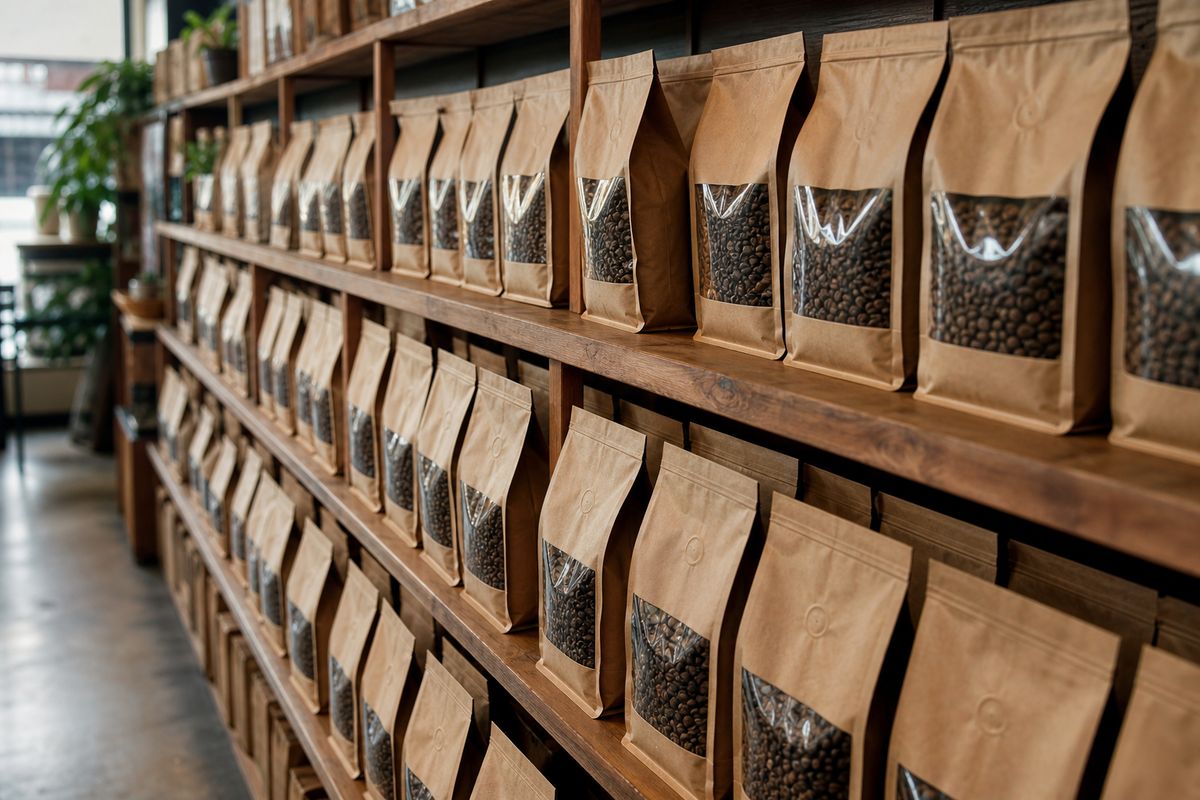
Within that organic set, the product list includes multiple large formats and multi-packs, such as a 5 lb whole bean bag (Ruta Maya Organic Medium Roast Whole Bean Coffee) and several 2 lb two-packs under a major private label. The range also includes origin call-outs like Ethiopia, Sumatra, Mexico, and Colombia, plus decaffeinated options. In other words, it is not a token organic listing. It is a fully built-out category architecture: medium and dark roasts, single-origin and blends, caffeinated and decaf, bulk and variety.
Alongside that, the Italian coffee line is positioned around a specific place and style: roasted in Naples, with blends and roasts intended for espresso, moka, or drip. The product naming leans into Italian blend conventions such as “Miscela” and crema-led descriptors, and the range covers both whole bean and ground formats. The pricing shown spans from $15.99 up to $168.99 depending on product and case size, which reinforces the idea that coffee beans are being sold not only as a grocery item, but as a scalable pantry staple for households and offices.
And there is a subtle but important point here: these two approaches, organic specialty and Italian espresso tradition, are not competing as much as they are stacking. They speak to different motivations. Organic and origin appeal to ethics and flavour exploration. Italian blends appeal to consistency, crema, and a familiar café-style profile. Retailers and brands are effectively saying: pick your identity, then buy in bulk.
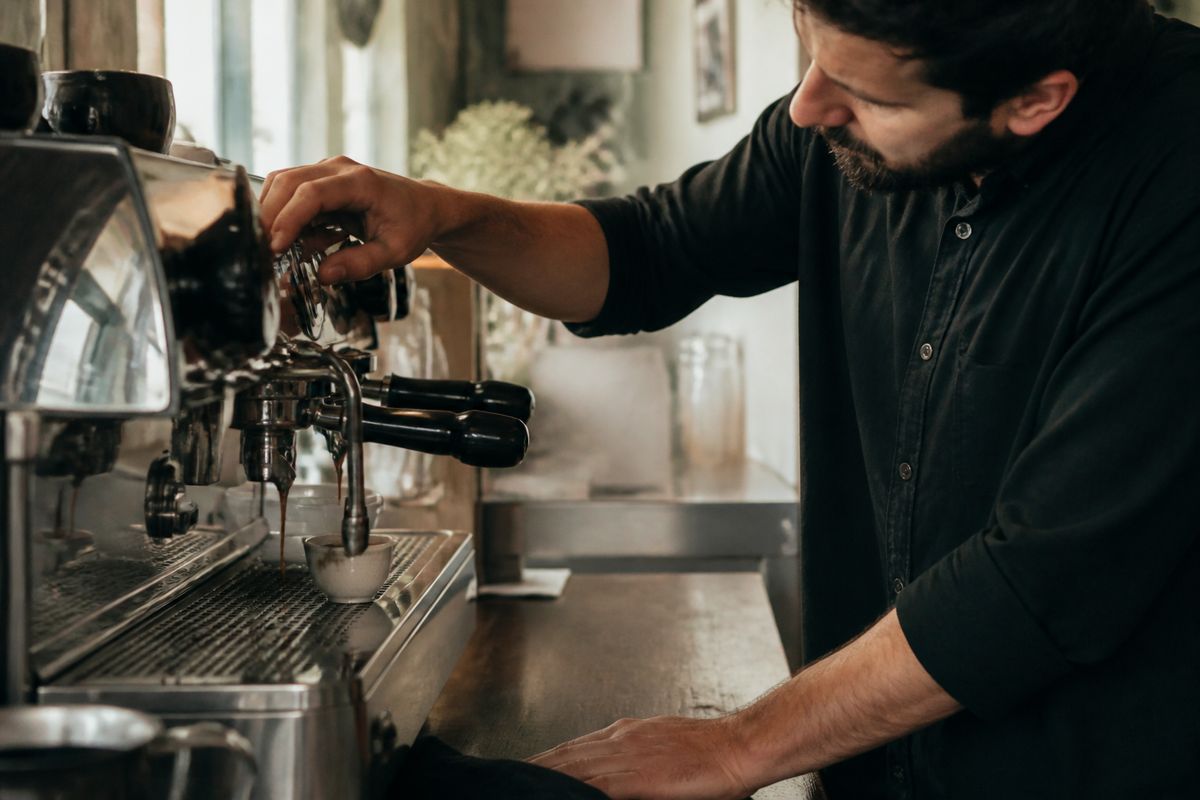
What a coffee bean really is, and why that biology still shapes the business
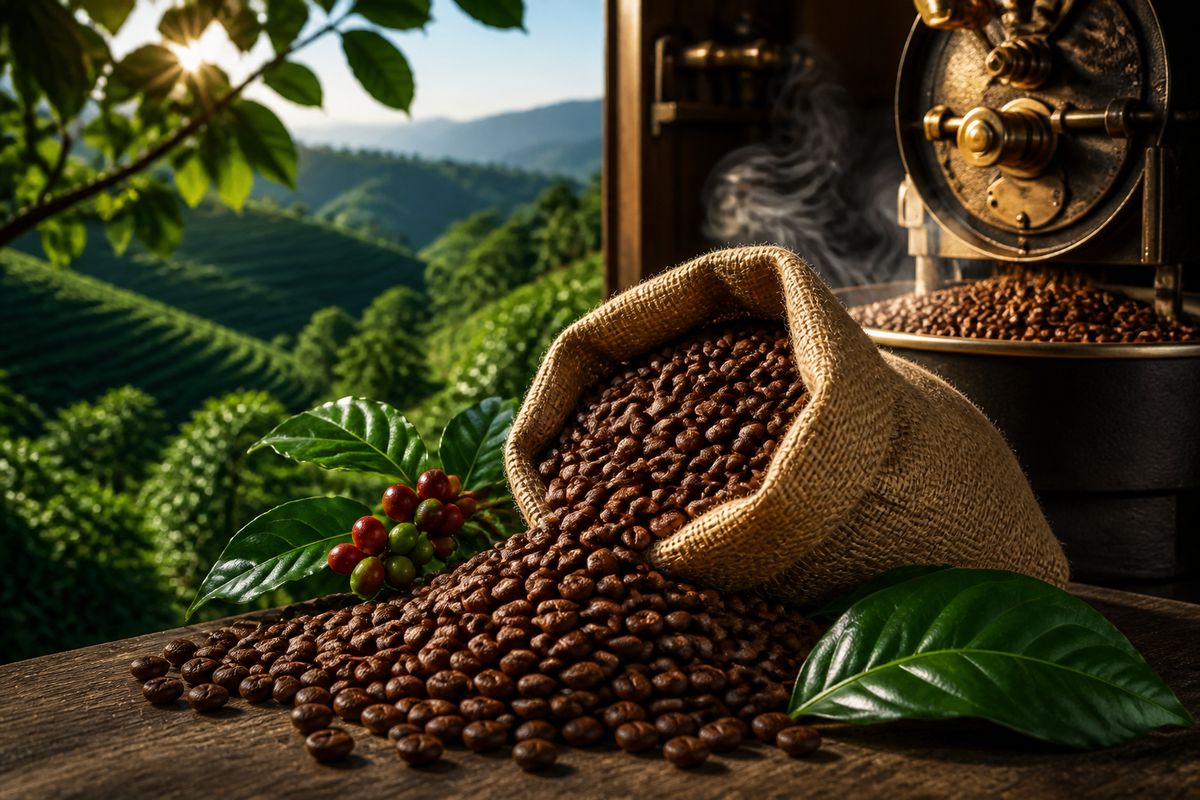
A coffee bean is not technically a bean at all. It is the seed of the Coffea plant, found inside the fruit often called a coffee cherry. Most cherries contain two seeds with flat sides facing each other. A smaller share, known as peaberries, contain a single seed and make up around 10% to 15% of all coffee beans. Peaberries are often marketed as superior, with claims about brighter acidity and concentrated flavour, but the source material is blunt: there is little hard evidence to support that superiority. That is worth remembering in 2026, when marketing language can get a bit carried away (fair enough, it sells).
The global coffee economy still revolves around two commercially dominant species: Arabica and Robusta. According to the source material, Arabica accounts for approximately 60% of coffee produced worldwide, with Robusta at about 40%. They are not interchangeable. Arabica typically carries 0.8% to 1.4% caffeine, while Robusta ranges from 1.7% to 4.0%. That caffeine difference is not just trivia. It influences flavour, bitterness, crema formation, and how blends are built for espresso versus filter. It also shapes pricing and sourcing strategies, especially when brands want to deliver a consistent profile year-round.
Then there is the agronomy. Coffee plants grow within a defined band between the Tropics of Cancer and Capricorn, often called the bean belt or coffee belt. Arabica grows best at 15 to 24 degrees Celsius, while Robusta prefers 24 to 30 degrees Celsius. Rainfall needs are broad, between 500 and 3,000 mm per year, with seasonal timing affecting fruit development. These constraints are why coffee remains a sensitive crop and why supply narratives, whether about origin, organic practices, or “thoughtful sourcing”, resonate with consumers. The plant is picky. The supply chain is long. And the end product is emotionally loaded.
From Ethiopia to bulk bags: the long arc of coffee beans as a cash crop
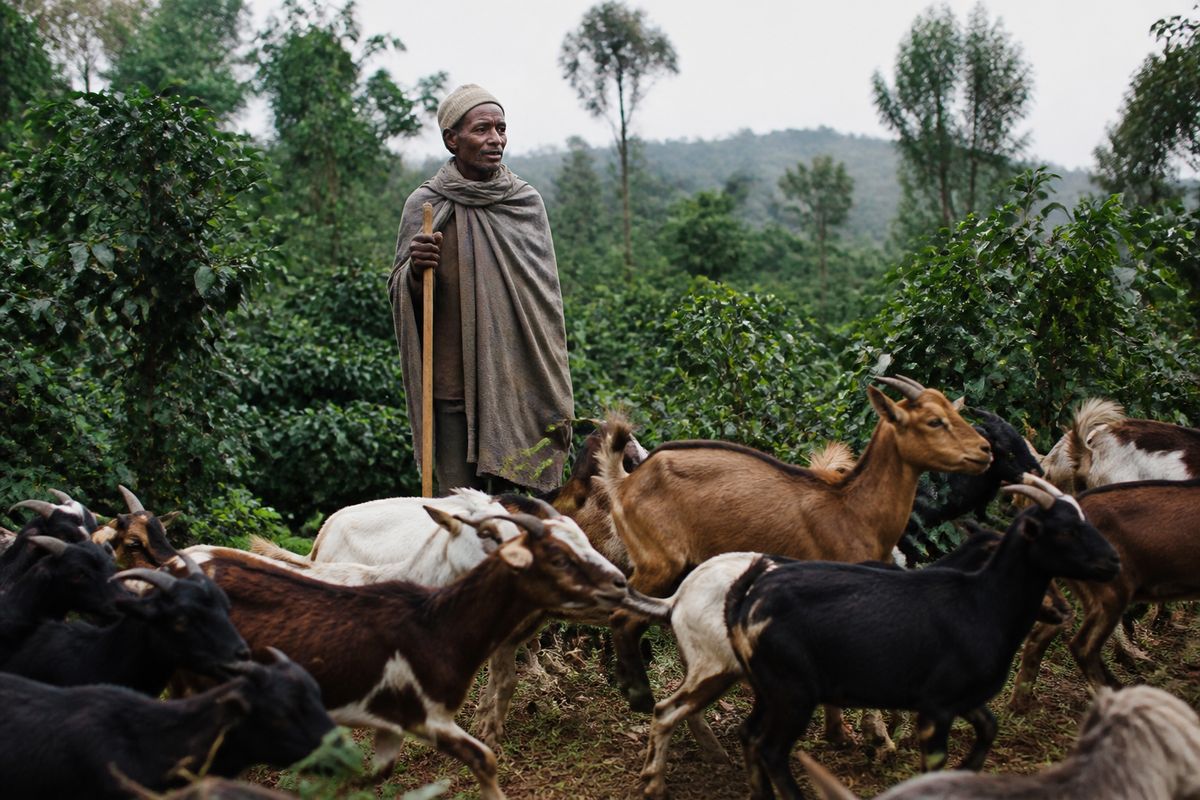
Coffee’s origin story is famously tied to the Horn of Africa, and the legend of an Ethiopian goat herder named Kaldi around 850 AD, who notices his goats become unusually energetic after eating coffee cherries. Legend is not evidence, of course. But it does underline something real: coffee’s cultural power has always been wrapped up in story. In 2026, “single-origin Ethiopia” on a bag is not just a geographic label. It is a narrative shortcut to heritage, flavour expectation, and perceived authenticity.
Historically, cultivation spreads fast once coffee becomes commercially valuable. The source material lists key milestones: first cultivation in India (Chikmagalur) in 1600, in Europe in 1616, in Java in 1699, and across the Caribbean between 1715 and 1730. South America follows in 1730. By 1865, roasted beans are sold on the retail market in Pittsburgh, and coffee extracts and instant coffee develop in the late 19th century. The pattern is familiar: a product moves from exotic to everyday, then gets industrialised, then gets premiumised again when consumers start caring about quality and identity.
Today’s production and export dynamics still matter because they shape availability and pricing. The source material notes that in 2023 the largest producer of coffee and coffee beans is Brazil, with other main exporters including Colombia, Vietnam, and Ethiopia. It also states that Brazil produces about 45% of the world’s total coffee exports. Those are huge numbers, and they explain why “Brazil weather” becomes shorthand for market risk. They also explain why retailers build ranges with multiple origins and blends: diversification is not just for investors, it is for coffee buyers too.
And coffee is not merely a lifestyle product. It is a major cash crop and export product, accounting for over 50% of some developing nations’ foreign exchange earnings, according to the source material. That is the uncomfortable backdrop to the 2026 retail story. When a shopper buys a 5 lb bag of organic beans, they are participating in a global trade system that can be economically vital for producing countries. The ethical and sustainability claims around organic and specialty sit on top of that reality, not separate from it.
Why “specialty organic coffee beans” and Italian blends are winning shelf space
There are two distinct value propositions in the material, and both align neatly with how people actually drink coffee in 2026. The first is specialty organic coffee beans as a quality and values play. “Specialty” is framed as careful harvesting, processing, and grading based on flavour, aroma, and consistency. The material does not provide formal grading scores or third-party certification details beyond organic labelling, so it is not possible to verify the precise standard used. But the intent is clear: reassure the buyer that this is not random bulk coffee, it is bulk coffee with a premium story.
The second proposition is Italian coffee as a ritual and performance play. The Italian range explicitly positions whole bean as “maximum freshness and versatility” and ground coffee as “convenience”. That is smart segmentation. Whole bean appeals to consumers with grinders, espresso machines, and a desire to tweak extraction. Ground appeals to offices and busy households that want speed. And the range is built to cover multiple brew methods, including espresso, moka, and drip. In other words, it meets people where they are, rather than insisting on one “correct” way to drink coffee.
There is also a quiet operational logic behind the scenes. Whole bean products generally hold flavour longer than pre-ground coffee because less surface area is exposed to oxygen. That makes whole bean a safer bet for bulk formats and multi-packs, which is exactly what the organic range leans into. Meanwhile, Italian-style blends often aim for consistency across seasons, which can be achieved by blending Arabica and Robusta in varying proportions. The sources do not specify blend composition for the Italian products listed, so any claim about exact ratios would be speculation. But the broader industry logic is well understood: blends are a tool for stability.
Finally, there is the psychology. Coffee is one of the world’s most widely consumed beverages, and coffee beans are a staple purchase. When staples get expensive or uncertain, consumers do two things: they trade down, or they trade into “better value” bulk. The presence of large bags and cases suggests brands and retailers are betting on the latter. Buy more, feel savvy, and still feel premium. Not exactly groundbreaking, but very effective.
What This Means For You
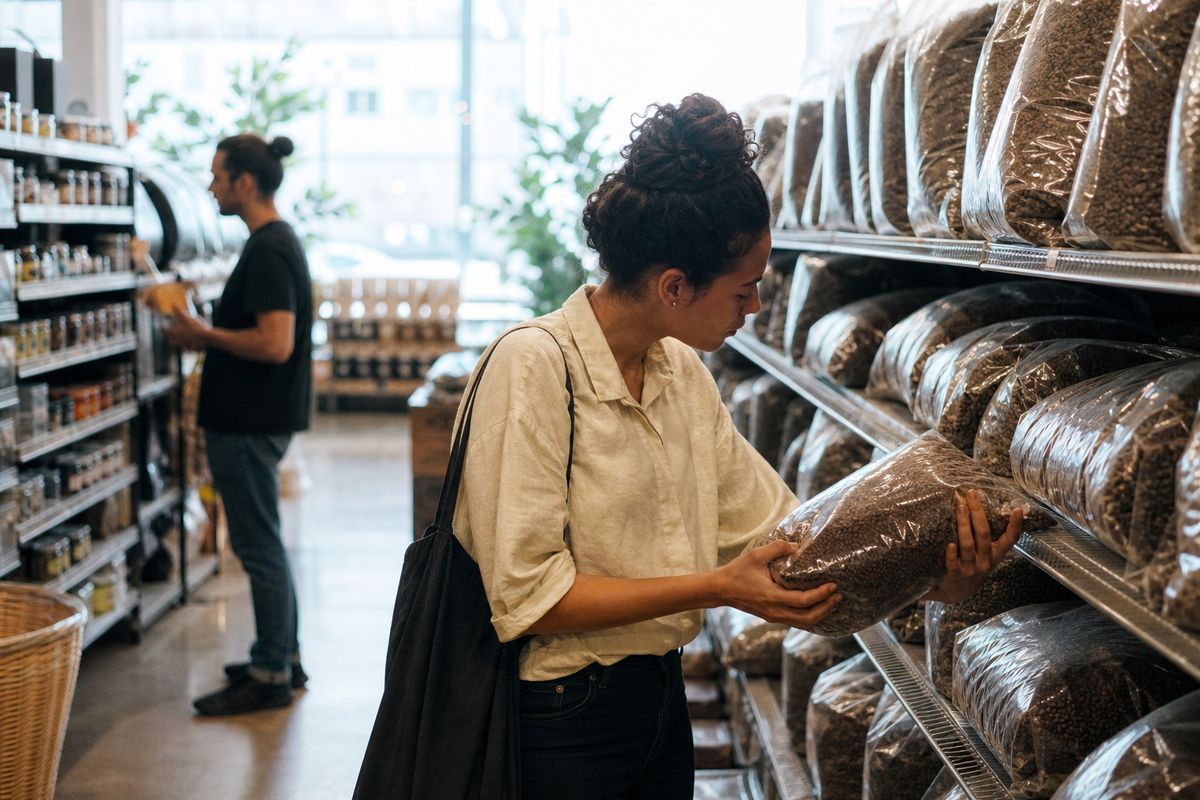
For readers buying coffee beans in 2026, the practical implication is straightforward: the market is offering more ways to match coffee to lifestyle, not fewer. If freshness and flexibility matter, whole bean is increasingly the default premium format, and it is being sold in larger sizes that can reduce cost per cup. But bulk only works if storage is handled properly. The source material’s guidance is clear: store beans in an airtight container, in a cool, dry place, away from sunlight and moisture. And avoid refrigerating or freezing, because it can affect flavour and aroma. That advice is not glamorous, but it is the difference between “great value” and “stale by week three”.
For anyone trying to navigate labels, it helps to separate what is evidenced from what is vibes. “Peaberry” may sound special, and sometimes it is selected from high-quality lots, but the source material notes there is little evidence that peaberries are inherently superior. Likewise, “specialty” is presented as careful grading and processing, but the material does not provide independent scoring data. So the actionable move is to treat these terms as starting points, then validate with your own palate. Buy one smaller bag first if possible, dial in grind size and brew method, then commit to the 5 lb bag once it is a proven fit.
And for offices or households buying for multiple drinkers, the growth of Italian whole bean and ground ranges is a useful cue: consistency is a feature, not a compromise. If the goal is a reliable espresso or moka pot coffee that most people enjoy, a traditional blend approach can be a safer choice than a highly distinctive single-origin. Meanwhile, if the household enjoys experimenting, single-origin organic options like Ethiopia or Sumatra provide a clear route to exploring flavour notes that can range from fruity and floral to nutty and chocolatey, depending on origin and roast level. The smart play is to keep both: one dependable “house” coffee and one rotating “interest” coffee. It keeps everyone happy, and it stops the coffee conversation becoming a weekly argument.
Closing thoughts: coffee beans are becoming a more deliberate purchase, not an impulse
The 2026 picture that emerges from the source material is a coffee category that is maturing in public. Retailers are not merely listing coffee beans, they are curating them. Brands are not merely selling “Italian coffee”, they are selling Naples roasting, espresso compatibility, and format choice. And consumers are not merely buying caffeine, they are buying identity, routine, and a small daily upgrade that feels worth it.
Behind all of that sits the stubborn reality of the coffee bean itself: a seed from a tropical plant with narrow growing preferences, dominated by Arabica and Robusta, shaped by global exporters like Brazil, and economically critical for many producing nations. That is why coffee remains both everyday and consequential. A bag of beans is a simple thing. But it carries a lot, flavour, culture, and a global supply chain, right into the kitchen.
Expect more of this, not less. More origin call-outs, more organic positioning, more bulk formats, and more “authentic” regional roasting stories. The coffee aisle is not calming down. And for anyone who cares about what ends up in the cup, that is mostly good news.