How to descale a coffee maker in 2026, and why shoppers are buying Keurig cleaning pods
How to descale a coffee maker, and why it suddenly feels like a shopping trend
Knowing how to descale a coffee maker has always been one of those boring, practical bits of kitchen maintenance, right up there with cleaning the toaster tray. But in September 2026, it is also a consumer story. A Chowhound headline captures the moment neatly: Amazon shoppers love these Keurig pods that clean your coffee maker in minutes, with the key detail that the pods come in at under $2 per wash. That price point matters because it reframes descaling from an occasional chore into something people can justify doing regularly, almost like buying dishwasher tablets.
The development is not that limescale is new, or that coffee machines have suddenly become more delicate. It is that the market for cleaning has become more productised and more impulse-friendly. A cleaning pod that promises speed and convenience is easier to buy than a bottle of descaler that sits under the sink for months. And it lands at a time when home coffee habits are still deeply entrenched, with pod machines and bean-to-cup automatics now standard kit in many kitchens.
There is also a subtle shift in the conversation. Instead of asking, “Do I need to descale?”, people are asking, “What is the quickest way to do it, and what should I use?” That is why the supplementary chatter around alternatives like vinegar, citric acid, and even hydrogen peroxide keeps bubbling up. The headline may be about Keurig pods, but the underlying story is about a broader consumer push towards fast, low-effort descaling and the confusion that comes with too many options.
The specific development: Keurig cleaning pods go mainstream, and the price is the hook
The core news hook is straightforward: a Chowhound piece spotlights Keurig-compatible cleaning pods that shoppers are buying on Amazon, marketed as cleaning a coffee maker “in minutes”, and costing under $2 per wash. The source material does not provide the brand name of the pods, the pack size, or verified performance data. But the framing is clear: this is positioned as a low-cost, low-friction way to maintain a pod coffee machine.
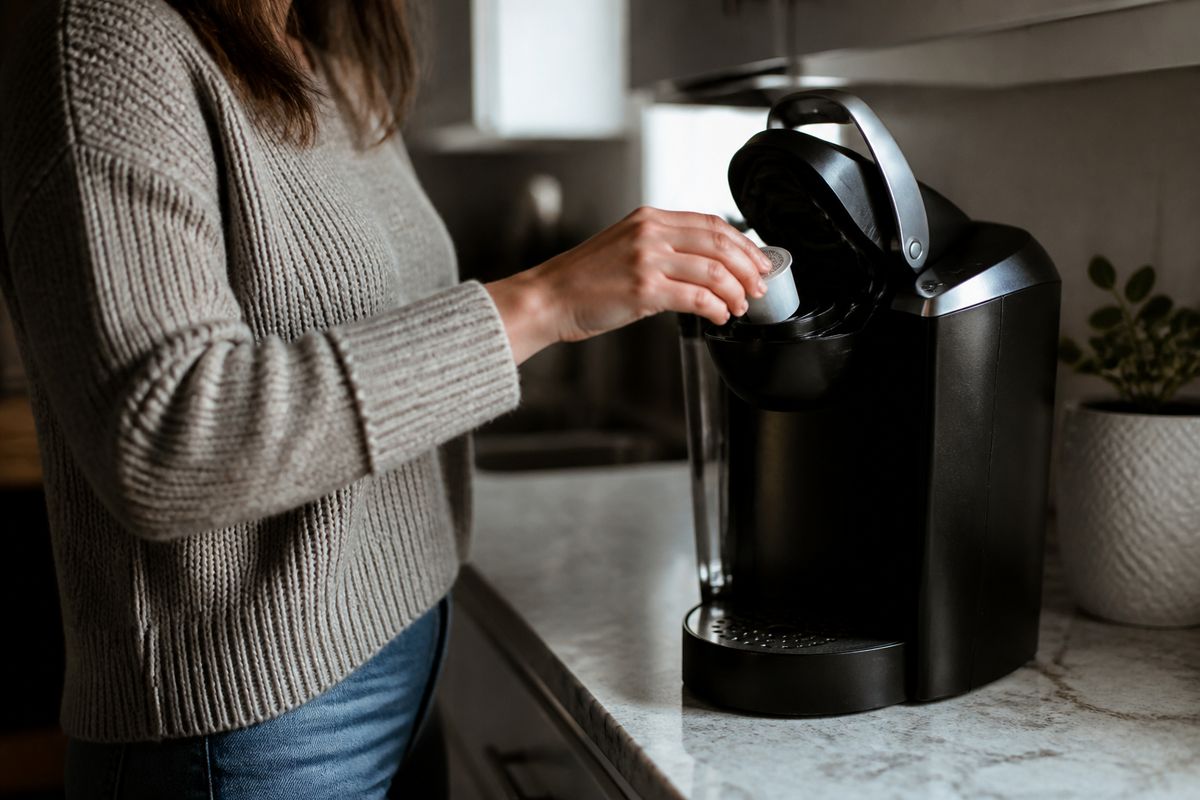
That matters because Keurig-style systems are built around convenience. The promise is a quick coffee with minimal mess. Traditional descaling methods, by contrast, feel fiddly: measure solution, run cycles, rinse, repeat. A pod format fits the mental model of the machine. Pop it in, run it, done. Whether it is truly “done” is another question, but the appeal is obvious.
It also signals something about retail dynamics. When cleaning products become “add to basket” items, they stop being specialist purchases. And the under-$2-per-wash line is doing heavy lifting here. Consumers can mentally compare it to the cost of a coffee pod, or a takeaway coffee, and decide it is fair enough. In other words, descaling becomes part of the coffee budget rather than an occasional maintenance expense.
One more point: the headline’s emphasis on speed, “in minutes”, speaks to a wider trend in home appliance care. People want maintenance that is invisible. They do not want to read manuals. They do not want to smell vinegar. They want something that looks like the product they already use. Cleaning pods are basically the logical endpoint of that desire.
Why descaling matters: what limescale does to coffee, machines, and running costs
Descaling is not cosmetic. It is functional. Coffee makers heat water, and when water contains dissolved minerals, especially in hard water areas, those minerals can precipitate out as scale. Over time, scale can narrow internal pathways, coat heating elements, and interfere with sensors. The result is often slower brewing, inconsistent temperatures, and in some cases, outright blockages. The source material does not include quantified failure rates or repair costs, so it is important not to overclaim. But the mechanism is well understood: scale is an efficiency killer.
And then there is taste. Scale can change how water flows through coffee grounds or pods, and it can also contribute to off-flavours if old deposits trap residues. People often blame the coffee brand when the real culprit is the machine’s internal build-up. That is why descaling sits alongside regular cleaning of removable parts. They are different jobs. One tackles mineral deposits inside the system, the other tackles oils and residues where coffee physically touches surfaces.
There is a practical energy angle too. A scaled heating element generally needs to work harder to heat water. The source material does not provide energy consumption figures, so no numbers here. But the direction of travel is intuitive: insulating deposits reduce heat transfer efficiency. In a cost-conscious environment, the idea that a quick descale might help a machine run more smoothly is an easy sell, even if the savings are modest.
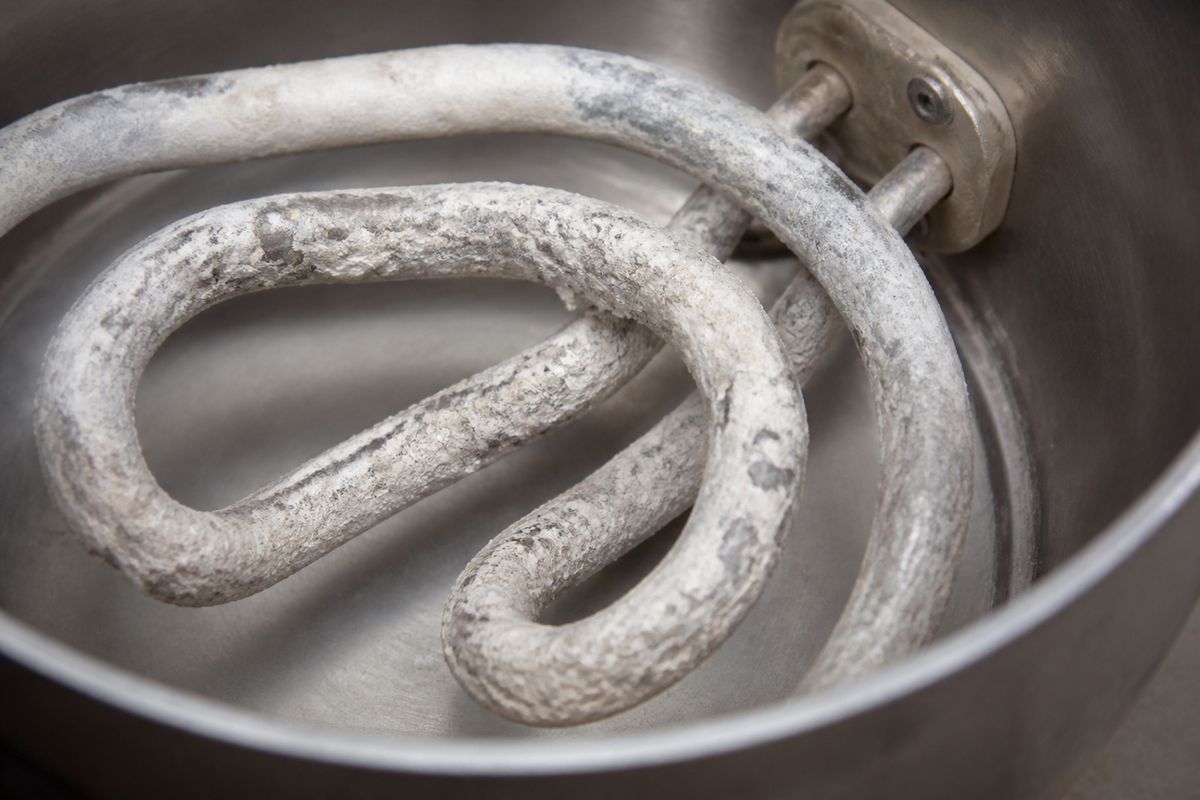
Finally, descaling is about longevity. Pod machines, drip coffee makers, and espresso machines all have different internals, but they share the same vulnerability: mineral build-up. Keeping on top of it can reduce the chance of premature breakdown. That is why manufacturers often recommend periodic descaling, and why branded descaling kits exist for systems like Nespresso.
How to descale a coffee maker: the main methods people actually use
There is no single universal method because coffee makers vary. A drip machine with a simple water path is not the same as a bean-to-cup automatic with valves, thermoblocks, and sensors. But the source material points to a few common approaches that dominate real-world practice: vinegar and water, citric acid solutions, manufacturer kits (for example, Nespresso’s descaling kit process), and now pod-based cleaners for pod machines.
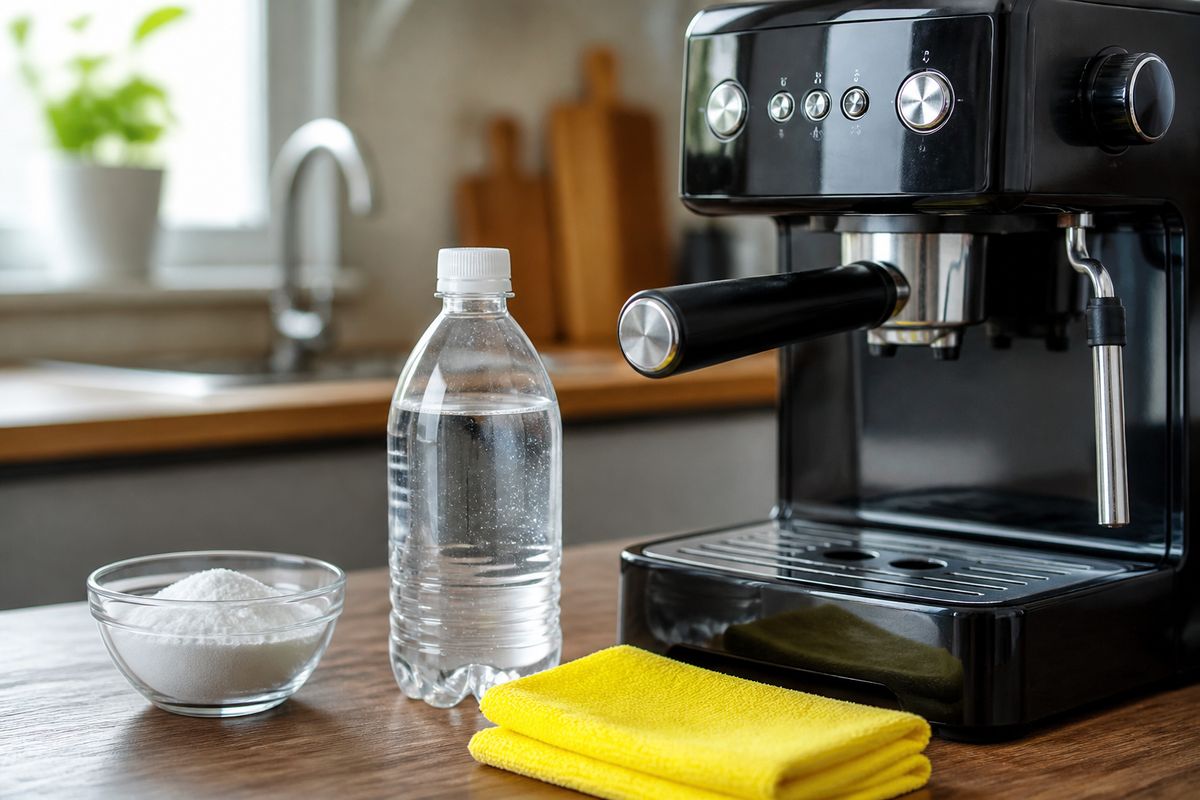
Vinegar remains the classic DIY option. One cleaning guide cited in the supplementary material suggests mixing equal parts white distilled vinegar and water as a safe starting point for many drip coffee makers. That is not a manufacturer instruction, and it will not suit every machine, but it reflects how many households approach descaling: simple ingredients, minimal fuss. The downside is obvious to anyone who has tried it. The smell lingers, and if the machine is not rinsed thoroughly, it can affect taste.
Citric acid is the other big DIY favourite, and it comes up repeatedly in community discussions. One Reddit user describes using 58 grams of citric acid dissolved in 12 cups of water for a coffee pot, noting a cited range of 40 to 60 grams for a 12-cup coffee maker. Another discussion mentions a rough 1:5 acid-to-water ratio for a plumbed-in home coffee maker. These are user-reported practices, not official guidance, but they show why citric acid is popular: it is effective against limescale, it does not stink like vinegar, and it is relatively easy to rinse out.
Then there are manufacturer kits and step-by-step programmes. Nespresso, for example, publishes a structured process: disassemble and wash parts, prepare the descaling kit, then start the cycle. The source material does not provide the full sequence details, but the point is that many machines now have a dedicated descaling mode. That is significant because it standardises the process and reduces user error. But it also nudges consumers towards branded solutions, which can be pricier than DIY.
Finally, the product at the centre of the headline: Keurig cleaning pods. These aim to make the process feel like brewing a coffee pod. The appeal is obvious, but consumers still need to follow up with rinsing cycles and basic hygiene. A “minutes” promise can be true for the active time, but the total process still depends on the machine’s cycle length and the number of rinse runs required.
Background: Keurig, pod culture, and the rise of maintenance products that sell like snacks
Keurig, as a system, is built on repeatable behaviour. Buy pods, brew quickly, repeat daily. That is why a cleaning product in pod form is such a neat fit. It does not ask the user to change habits. It simply adds one more pod to the routine, maybe once a month, maybe when the machine starts acting up. And because it is sold in the same retail environment as coffee pods, it benefits from the same impulse-buy dynamics.
This is not unique to Keurig. The broader coffee machine market has been moving in this direction for years: descaling liquids, tablets, cleaning powders, milk system cleaners, and branded kits. What is changing is the marketing language. Instead of “maintenance”, it is “minutes”. Instead of “follow these steps”, it is “drop-in convenience”. It is the same shift seen in other categories, like washing machine cleaners and dishwasher deep-clean cycles. People want the appliance to look after itself, and they want the product to do the thinking.
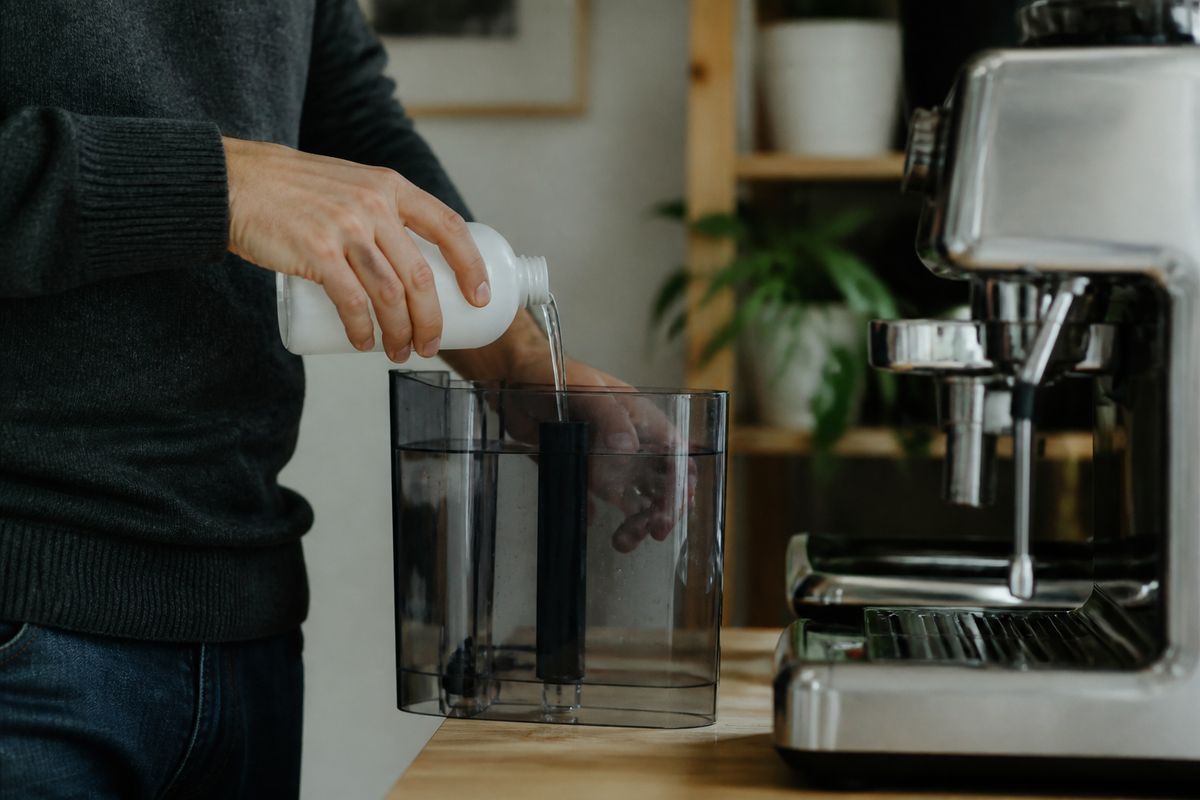
There is also a cultural factor. Home coffee has become a hobby for some, but for most it is just a daily necessity. The hobbyists will happily weigh citric acid and talk about water hardness. The majority will not. They want a simple solution that feels safe and official, even if it costs a bit more. That is where branded kits and pod cleaners thrive.
And yes, water hardness is the quiet villain in the background. In hard water areas, scale builds faster. In softer water areas, people can get away with neglect for longer. The problem is that many consumers do not actually know their water hardness, or they move house and forget that their machine is now living in a different reality. That uncertainty makes “just buy this pod” messaging even more persuasive.
What this means for the industry: convenience wins, but clarity and safety become the battleground
The popularity of under-$2-per-wash cleaning pods points to a simple industry truth: convenience sells. Coffee machine makers and third-party accessory brands are competing not only on taste and speed, but on the total ownership experience. If maintenance feels easy, customers are less likely to abandon the machine, less likely to complain, and more likely to stay in the ecosystem. That is a big deal in pod-based business models where recurring purchases matter.
But there is a catch. The more “easy” a product claims to be, the more important it is that instructions are clear and that consumers understand what the product does and does not do. Descaling is not the same as sanitising. Cleaning a brew path is not the same as cleaning a milk frother. And some DIY methods can be risky if misused. The supplementary material includes a trend piece suggesting hydrogen peroxide as an alternative to vinegar to avoid smell. That may appeal, but it also raises questions about concentration, compatibility with seals and plastics, and thorough rinsing. The source material does not provide verified guidance or manufacturer approvals for hydrogen peroxide use, so it should be treated cautiously.
There is also a competitive tension between manufacturer-branded descalers and third-party products. Manufacturer kits often come with the reassurance of compatibility and warranty friendliness, while third-party products compete on price and convenience. The Chowhound headline leans hard on price, under $2 per wash, which suggests third-party value positioning. Over time, expect more brands to fight on “cost per descale” the way laundry brands fight on “cost per wash”.
Historically, descaling used to be a manual, almost folk-knowledge task: vinegar, lemon, hot water, job done. Now it is a product category with branding, subscription possibilities, and algorithm-driven shopping prompts. That is the comparison worth making. The underlying chemistry is old. The commercial packaging is new.
How to descale a coffee maker properly: practical guidance without the myths
For consumers trying to cut through the noise, the most reliable starting point is still the machine’s own guidance. Many modern machines include a descaling indicator and a dedicated cycle. Following that programme, and using a compatible descaling solution, reduces the chance of leaving residues behind or damaging internal components. That is especially relevant for espresso machines and bean-to-cup automatics, where internal pathways can be more complex than a basic drip brewer.
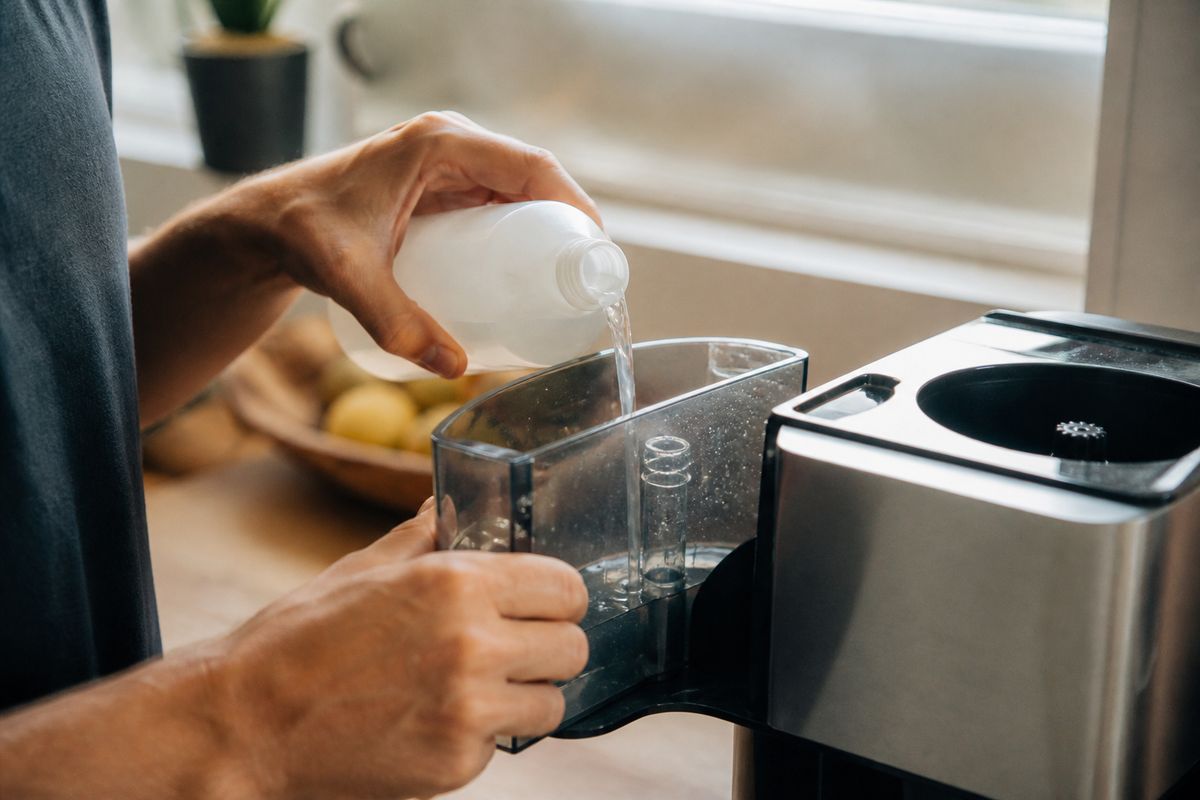
For simpler drip coffee makers, the DIY route is common. The supplementary material includes a widely repeated approach: equal parts white distilled vinegar and water for standard descaling. Citric acid is also widely used, with community guidance including 58 grams in 12 cups of water and a suggested range of 40 to 60 grams for a 12-cup machine. These figures are not official standards, but they are concrete examples of how people dose solutions in the real world. The key is consistency and rinsing. Run the solution through, then run multiple fresh-water cycles until any odour or tang is gone.
Pod-based cleaners, like the Keurig cleaning pods highlighted in the headline, are best understood as a convenience format rather than magic. They can simplify dosing and handling, but they do not remove the need to rinse, and they do not replace basic cleaning of removable parts. If a machine has a removable water tank, drip tray, or pod holder, those still need regular washing. Scale is internal, grime is external, and both matter.
One myth worth binning: “If the coffee tastes fine, the machine is fine.” Scale can build gradually without obvious taste changes until performance drops. Another myth: “Stronger is always better.” Overly concentrated DIY solutions can be harsh on components, and the source material does not provide manufacturer endorsements for aggressive mixes. Sensible dosing, proper cycles, and thorough rinsing beat kitchen-sink chemistry every time.
What's Next
Expect descaling to become even more integrated into the coffee machine experience. More machines will likely push users towards guided maintenance with app prompts, on-screen timers, and lockout-style reminders. That is not necessarily sinister, it can genuinely reduce breakdowns, but it also creates a captive market for approved consumables. If cleaning pods continue to sell well at a clear “per wash” price, competitors will copy the format, and retailers will give it more shelf space.
There is also room for a consumer backlash, especially around clarity. People are already juggling advice that ranges from vinegar to citric acid to hydrogen peroxide, plus branded kits and third-party pods. The next phase is likely a fight over trust: which products are demonstrably safe for seals and plastics, which are odour-free, which require fewer rinse cycles, and which are genuinely effective against heavy scale. Without transparent, comparable testing in the source material, it is impossible to declare winners. But the direction is clear: the brands that explain the process best, and make it feel least annoying, will win.
And water will become a bigger part of the conversation. As more consumers learn that hardness drives scale, filtration and water testing will be bundled into the ownership story. Some will stick with descaling pods because it is easy. Others will invest in filters to reduce how often descaling is needed. Either way, the industry is moving towards a more “managed” coffee routine, where maintenance is not an afterthought but part of the product ecosystem.
Closing thoughts: descaling stops being a chore when it fits the way people actually make coffee
The September 2026 headline about Keurig cleaning pods is, on the surface, a shopping recommendation. Under $2 per wash, cleans in minutes, shoppers love it. But underneath, it is a snapshot of how the coffee market evolves: convenience-first machines create convenience-first maintenance, and that maintenance becomes a product category in its own right.
For anyone wondering how to descale a coffee maker, the real takeaway is not that one method is universally best. It is that the best method is the one that is compatible with the machine, realistic for the household, and done often enough to prevent problems. Vinegar and water works for many drip machines, but it smells. Citric acid is popular and widely discussed, with specific user-reported dosing like 58 grams in 12 cups of water. Manufacturer kits offer structure and reassurance. And cleaning pods offer a frictionless routine that matches pod culture. Pick the approach that people will actually do, because the perfect method that never happens is not much use to anyone.