Coffee club in 2026: subscriptions, perks, and why the term now means more than beans
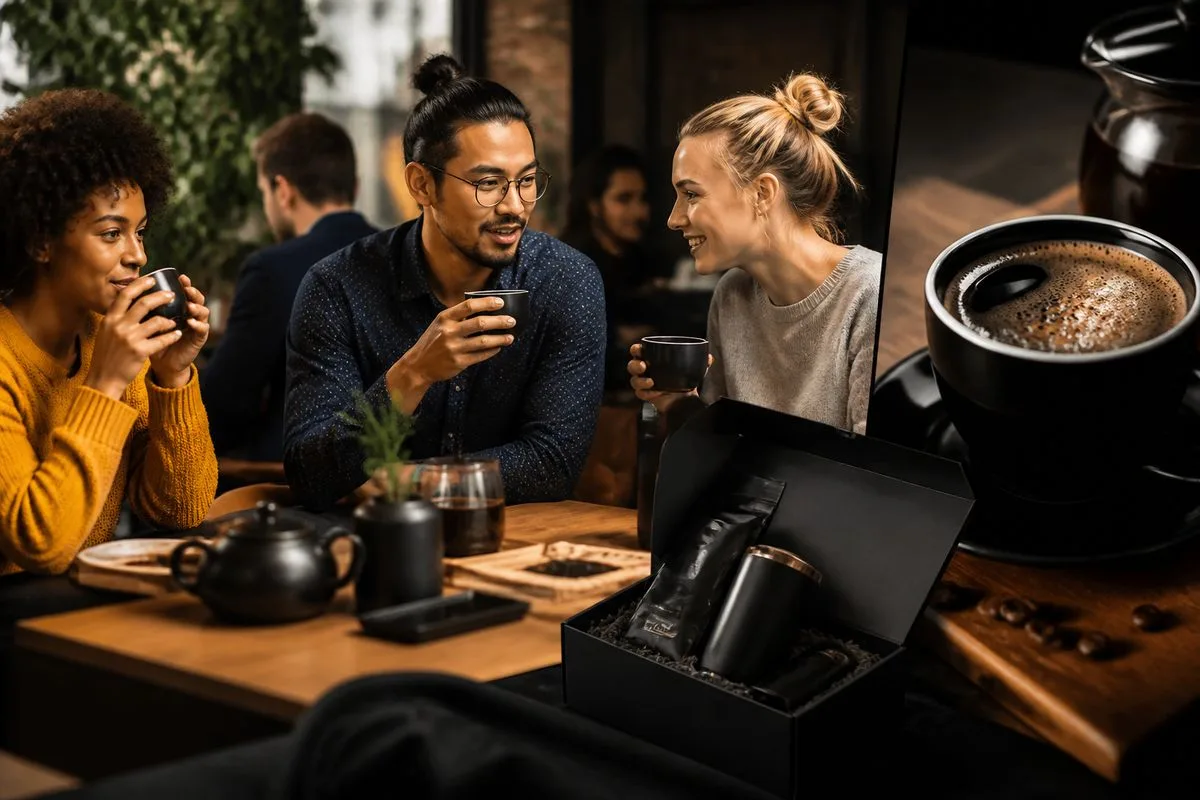
Coffee club in 2026, what the latest offerings reveal
The phrase coffee club used to mean one thing: a subscription that keeps a household stocked with beans. In 2026, it still means that, but it also means something broader, and frankly more competitive. Recent product pages from specialty roasters show coffee clubs being positioned as full membership programmes, with free shipping, rotating exclusives, gifts, and discounts baked in. And in a separate corner of culture, “Coffee Club” is also the name of a popular running podcast hosted by elite athletes, a reminder that the term now carries community value far beyond the kitchen counter.
That widening meaning matters because it changes what customers expect when they search for “coffee club”. They are not only looking for a recurring delivery. They are looking for control (grind, frequency, quantity), value (shipping and discounts), and belonging (members only coffees, newsletters, behind the scenes stories). The latest club structures from Temple Coffee Roasters and Onda Coffee Club make that shift very clear, and they do it using specifics rather than vague lifestyle language.
There is no single “industry standard” price or perk set in the source material, and no market wide statistics are provided. But the details that are available, prices, discount codes, shipping promises, and the way clubs are described, are enough to show where the category is heading in 2026: towards subscriptions that behave like loyalty programmes, and loyalty programmes that behave like media brands.
The news, coffee club subscriptions double down on perks and flexibility
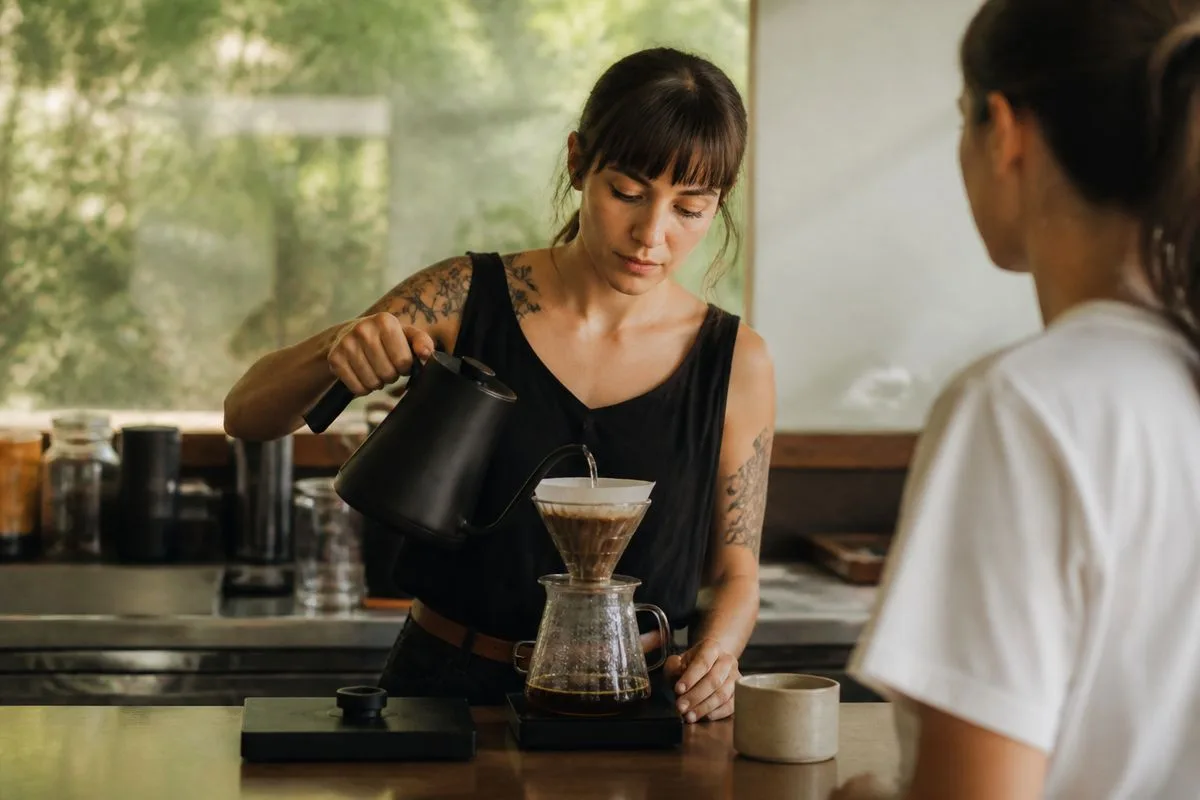
The immediate development is straightforward: specialty roasters are actively promoting coffee club memberships with a sharper value proposition than the old “subscribe and save” model. Temple Coffee Roasters frames its Coffee Club around convenience and personalisation: “Never run out of coffee again” sits alongside the promise that members can pick coffee, grind, and schedule. The offer is reinforced with free shipping on every order, plus “rewards, discounts, and exclusive coffees”. It also advertises a sign up incentive, code NEWCLUB25 for 25% off the first order.
Temple’s Coffee Club is presented as a collection of specific subscription eligible coffees and club exclusives, with clear pricing. Examples include Lotus Blend at $27.00, Single Origin Espresso as a Coffee Club subscription at $28.00, and a “Roaster’s Choice Single Origin” labelled as a Coffee Club Exclusive at $27.00. It also lists blends at $22.00 (Three Pillars Blend, Caldera Dark Blend, Dharma Espresso Blend), a Decaf Espresso Blend at $24.00 using the Swiss Water Process, and a Coffee Club Gift Subscription at $81.00. Even the add ons are part of the club logic, with coffee filters available “also available on subscription”, including Chemex prefolded filter squares at $11.00 and Kalita Wave 185 filters at $13.00.
Onda’s Coffee Club, meanwhile, leans hard into membership perks and mission language. It outlines a three step set up: select quantity and grind, select frequency, then enjoy club perks. Those perks are explicit: free mug on sign up, free shipping always, samples of exclusive coffees, and monthly gifts. Pricing is also explicit: the club “starts at just $24/month”, with a “Roaster’s Choice” product listed at $24. Onda also emphasises flexibility, offering weekly, every two weeks, every three, or monthly delivery options, and stating members can cancel, pause, or skip via a membership portal.
What a coffee club looks like now, products, pricing, and the perk stack
Look closely at the mechanics and a pattern emerges: the modern coffee club is being designed to reduce friction. Temple’s pitch is operational, pick your coffee, your grind, your schedule, and “we’ll handle the rest”. Onda’s pitch is similar but more guided, “fewer decisions on your part, more trying new things”, with roasters curating a rotating line up. Different tone, same goal: keep the customer from having to think too much on a Monday morning when the tin is empty.
Pricing in the source material sits in a fairly tight band for core products, roughly $22 to $30 per bag for Temple’s listed coffees, and $24 as Onda’s entry point. There is no weight information provided for the bags, so it is not possible to calculate a per gram comparison from the sources alone. Still, the way the prices are presented is telling. The club is not framed as a bargain basement deal. It is framed as a premium service where the value comes from shipping, access, and curation rather than a dramatic price cut.
Perks are where the category is getting more aggressive. Temple highlights free shipping on every order and member only coffees, plus a first order discount code. Onda adds a tangible welcome gift, an “Onda Origins mug” with the first order, and layers in monthly freebies and early access to coffees “well before public release”. It also promises behind the scenes emails spotlighting the coffee and the people who produced it. That is not just fulfilment, it is content, and it is designed to keep members engaged between deliveries.
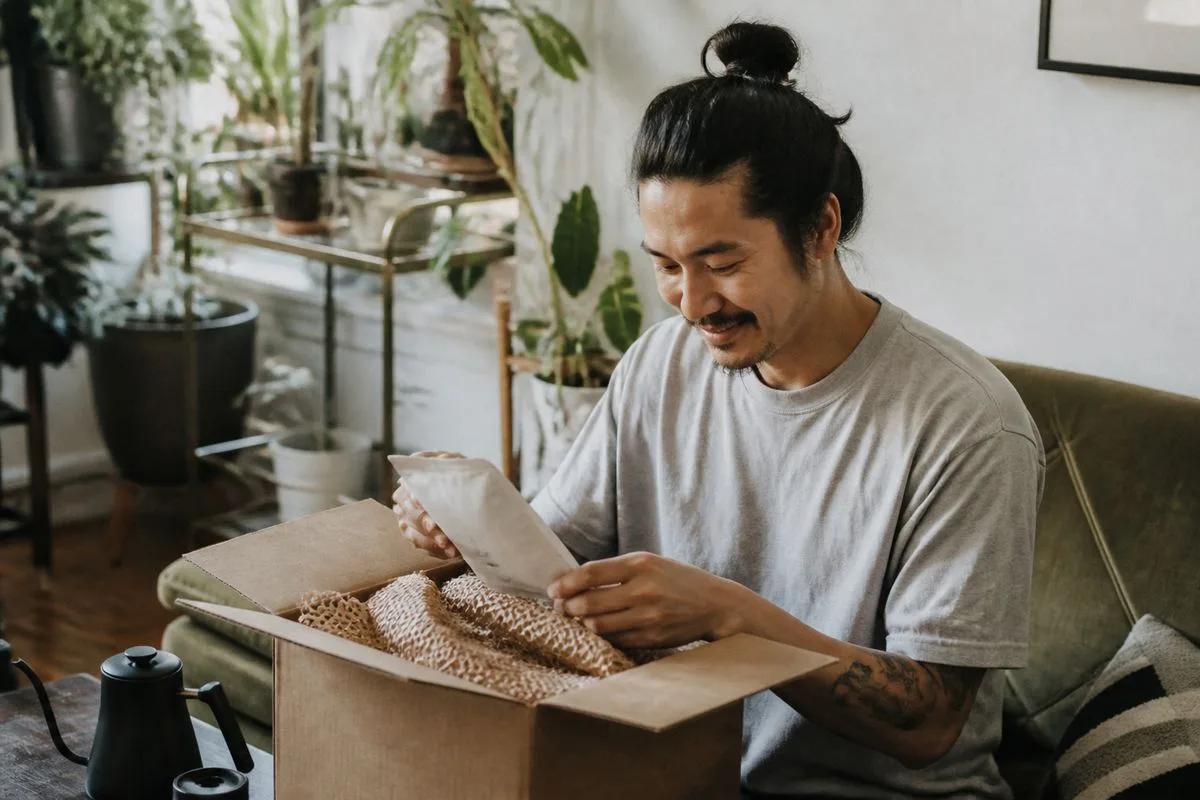
And then there is the add on strategy. Temple explicitly prompts members to add filters to the subscription, listing multiple filter types and prices, from Melitta basket coffee filters at $5.49 to ORIGAMI wave filters at $14.00. This is a small detail with big implications: the coffee club is being used to capture more of the brew routine, not only the beans. Once a customer is subscribing to filters as well, switching costs rise (not in a sinister way, just in a practical, “do I really want to redo all this?” way).
Background, who is building the coffee club model and why
Temple Coffee Roasters positions its Coffee Club as a structured catalogue of blends, single origins, and club exclusives, with tasting notes and processing methods included. Lotus Blend, for example, is described with notes of almond, milk chocolate, stone fruit and a natural and washed process. The Roaster’s Choice Single Origin exclusive lists green apple, cacao nib, cantaloupe and a washed process. These details are not decoration. They are a signal that the club is aimed at customers who care about flavour specificity and provenance, even if they do not want to make a new buying decision every fortnight.
Onda’s Coffee Club, by contrast, is built as much around relationship as it is around taste. It explicitly talks about a revenue share model and says members “play a direct role” in making it possible, working with growers and importers to share revenue from every bag sold. The source material does not provide percentages or financial figures for that revenue share, so any claim about the scale of impact would be speculation. But the intent is clear: Onda is using the coffee club to turn recurring revenue into a story about supply chain partnership, and to invite members into that story through emails, printed extras, postcards, and “origin focused” surprises.
There is also a cultural backdrop worth noting because it affects search behaviour. “COFFEE CLUB” is the title of a weekly updated running podcast hosted by Morgan McDonald, Oliver Hoare, and George Beamish, described as “a few runner bois sitting down drinking coffee and having a chat”. The show has a 4.9 rating based on 394 ratings in the source material. Recent episodes listed include Sep 24 “How Olli Turned Things Around To Finish 6th in the World”, which references a Copenhagen trip, a sixth place finish, and an Australian record, and Sep 11 “Has Jakob gone too far? :(” discussing the Diamond League Final and upcoming championships.
Why bring a podcast into a coffee subscription story? Because it shows the term “coffee club” is now a brandable identity, not only a product type. That matters for roasters competing for attention. When a phrase becomes culturally loaded, the businesses using it have to work harder to be specific about what they offer, and to earn the right to be the default result in a customer’s mind.
Industry analysis, the coffee club becomes a retention engine, not a discount
The strongest signal across the source material is that coffee clubs are being engineered for retention. Free shipping is the obvious lever, and both Temple and Onda make it central. But the more interesting levers are the ones that create habit and emotional stickiness: rotating line ups, members only coffees, early access, monthly gifts, and behind the scenes storytelling. This is the subscription playbook, yes, but it is also the modern loyalty playbook. The club is not merely a way to sell more coffee. It is a way to keep a customer from drifting to another roaster after a single great bag.
There is also a subtle shift in how “choice” is being handled. Temple offers control, pick your coffee, grind, schedule. Onda offers relief from choice, roasters curate, fewer decisions. That is not a contradiction; it is segmentation. Some customers want to feel in charge. Others want to feel looked after. The smart move in 2026 is that both approaches are being wrapped in the same label, coffee club, because the label now implies a service relationship rather than a one off purchase.
Product architecture matters here too. Temple’s list includes blends, single origin espresso subscriptions, and a club exclusive roaster’s choice single origin. Onda’s club is explicitly “roaster’s choice” led. In both cases, the roaster is reserving the right to steer the member towards what is fresh, what is in season, or what needs volume. That is good for operations and inventory management, and it can be good for customers too, as long as expectations are set. The sources show that expectation setting is happening through tasting notes, processing methods, and clear descriptions of roast style. Onda even spells out its roast positioning: “on the lighter side of medium, sweet, vibrant, origin forward”, and not “oily diner dark” or “sour science experiment”. Not exactly groundbreaking, but it is refreshingly plain spoken.
Finally, the add on subscription of filters hints at a broader commercial strategy: increase average order value and reduce churn by bundling the routine. Once filters arrive automatically, the customer’s brewing system is effectively tied to the subscription cadence. That is not lock in by contract. It is lock in by convenience. And convenience, in 2026, is still king.
Why It Matters
The coffee club arms race is not really about coffee. It is about predictability. For roasters, subscriptions smooth demand, improve cash flow visibility, and make production planning less of a guessing game. For customers, the predictability is emotional as much as practical. Nobody wants to run out of coffee, but more than that, people want to remove one more decision from an already noisy week. That is why the best clubs in the source material sell a feeling: “we’ll handle the rest”.
But there is a second layer that is easy to miss. As more roasters offer free shipping, mugs, gifts, and exclusives, those perks stop being differentiators and start being table stakes. The real differentiator becomes trust. Trust that the roaster’s “choice” will match the member’s taste. Trust that “exclusive” actually means something. Trust that the club will be easy to pause or cancel without hassle. Onda explicitly addresses this with a “user friendly membership portal” and the ability to skip deliveries. That is not just customer service, it is brand risk management. In a subscription economy, the fastest way to lose goodwill is to make leaving difficult.
And then there is the cultural meaning of the phrase itself. When “Coffee Club” is also a podcast brand with a strong following and a weekly rhythm, it reinforces the idea that a club is a community, not a transaction. Roasters that treat their coffee club as a mere billing mechanism will struggle to stand out. The ones that build a narrative, whether that is origin stories, revenue share missions, or genuinely useful member communications, are the ones most likely to win long term. It is a big deal, and it is happening in plain sight on product pages.

How to choose the right coffee club in 2026, a practical checklist
For consumers searching “coffee club”, the immediate question is usually simple: which subscription will fit their routine without wasting money or leaving them short? The source material points to a few decision factors that matter more than flashy marketing. Start with frequency and flexibility. Onda lists weekly, biweekly, and monthly options, and explicitly says members can cancel, pause, or skip. Temple emphasises choosing a schedule, but does not list the specific cadence options in the provided text. If a household’s consumption changes, say, travel, guests, or a new office routine, the ability to skip a shipment is the difference between a helpful subscription and a cupboard full of stale beans.
Next comes shipping economics. Both Temple and Onda highlight free shipping, with Onda describing it as “$0 shipping on all deliveries” and Temple stating “free shipping on every order, every time”. That matters because shipping is often the hidden cost that makes subscriptions feel less attractive than buying locally. If shipping is included, the comparison becomes cleaner: the customer can focus on coffee quality, roast style, and perks rather than doing mental maths at checkout.
Then look at what “exclusive” actually means. Temple labels a “Roaster’s Choice Single Origin” as a Coffee Club Exclusive, and Onda promises early access, members only blends, and samples of unreleased coffees. That is a meaningful benefit for people who enjoy variety and discovery. But for someone who wants the same blend every time, a club built around rotating selections may be more annoying than exciting. Fair enough. The right club is the one that matches temperament as much as taste.
Finally, consider the extras, but keep them in perspective. A free mug on sign up is nice, and monthly gifts can feel like a treat. Temple’s ability to add filters to a subscription is arguably more useful than a one off gift because it supports the routine. The best question to ask is blunt: will this perk change behaviour, or will it sit in a drawer? If it is the latter, it should not drive the decision.
Closing thoughts, the coffee club is becoming a category of its own
In 2026, the coffee club is no longer a niche add on for hardcore enthusiasts. It is a mainstream business model for specialty roasters, and it is being refined quickly. Temple Coffee Roasters showcases a club built around choice, catalogue breadth, and a clear first order incentive, including a 25% off code for new members. Onda showcases a club built around curation, gifting, and a mission led narrative, starting at $24/month with free shipping and a mug on sign up. Different routes, same destination: recurring relationships rather than one off sales.
At the same time, the phrase “coffee club” is expanding culturally, with a highly rated weekly running podcast using the name and building its own community rhythm around coffee and conversation. That overlap is not a problem, but it is a signal. People want clubs because clubs imply belonging. Roasters that understand that, and deliver on it with transparency, flexibility, and genuinely good coffee, will keep winning.
The practical takeaway is simple. Anyone searching for “coffee club” should look beyond the headline perks and focus on the mechanics: frequency options, shipping policy, how curation works, and how easy it is to pause or cancel. The rest, mugs, gifts, exclusives, is the icing. Nice, sometimes brilliant, but still icing.