Famous Istanbul Coffee Shop to Open First London Location
Istanbul Coffee Icon Set to Arrive in London
A legendary coffee institution from Istanbul is preparing to make its debut in London, according to a recent report from Time Out Worldwide. The news, which has already stirred excitement among coffee connoisseurs and Turkish diaspora communities, marks the first time this iconic establishment will open a branch outside Turkey. While the specific name of the shop has not yet been officially confirmed by the owners, the announcement signals a major moment for London’s ever-evolving coffee scene and underscores the growing global appetite for traditional Turkish coffee culture.
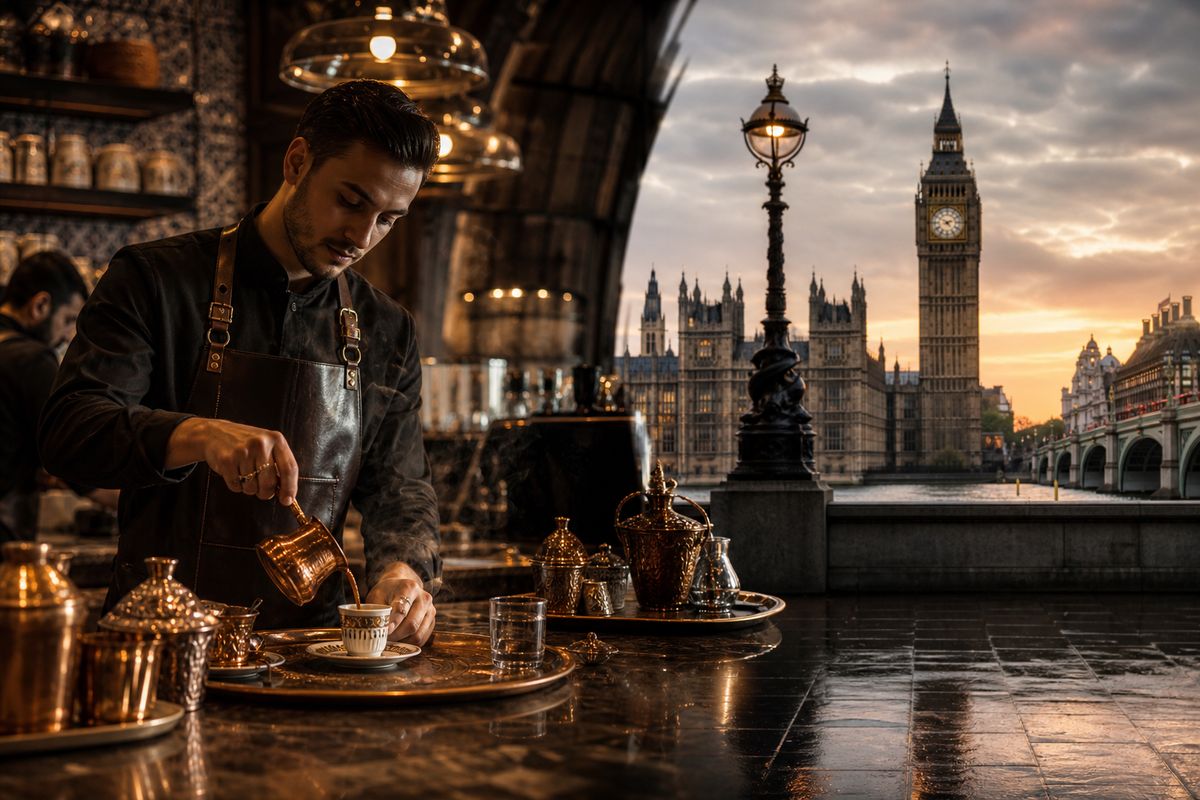
The shop in question is believed to be one of Istanbul’s most revered cafés, known for its meticulously prepared Turkish coffee, often served in ornate copper cups accompanied by a piece of Turkish delight. Such establishments are not just places to grab a quick espresso; they are social hubs where the ritual of coffee-making — from grinding to boiling in a traditional cezve — is performed with the precision of a ceremony. London, with its multicultural population and insatiable curiosity for authentic global food and drink experiences, is a natural next step for a brand that has long been a pilgrimage site for coffee lovers visiting Turkey.
The Story Behind the Headline: What We Know So Far
The news broke via Time Out Worldwide, a trusted source for urban lifestyle and travel content, but full details — including the exact name of the coffee shop, the specific location in London, and the opening date — remain under wraps. What is clear is that the expansion marks a first in the brand’s history: it has never operated a permanent location outside Istanbul. This move suggests a strategic play to capitalise on the UK’s booming speciality coffee market, which has seen double-digit growth over the past five years and shows no signs of slowing.
Industry insiders speculate that the chosen spot will likely be in a high-footfall area such as Soho, Covent Garden, or Shoreditch — districts known for their eclectic mix of international food concepts and late-night culture. The shop’s traditional Turkish coffee, often described as “strong, frothy, and grounding,” will compete with London’s existing coffee heavyweights, but its unique preparation method and cultural cachet could carve out a distinct niche. For now, Londoners can only wait for the official announcement, but the buzz online indicates that anticipation is high.
Istanbul‘s Coffee Heritage: A Centuries-Old Tradition
To understand the significance of this coffee shop’s arrival, one must first appreciate Istanbul’s deep-rooted relationship with coffee. The city has been a centre of coffee culture since the 16th century, when the first Ottoman coffeehouses opened in districts like Tahtakale and Eminönü. These early coffeehouses were not merely drink stops; they were venues for conversation, music, and political debate — a tradition that continues to this day. Turkish coffee, a UNESCO-listed Intangible Cultural Heritage of Turkey, is characterised by its unfiltered preparation: finely ground coffee beans are simmered with water and sugar in a small pot called a cezve, producing a thick, aromatic brew topped with a distinctive foam.
The famous Istanbul coffee shop now coming to London is part of this living history. It likely sources its beans from regions such as Yemen or Brazil, roasting them to a medium-dark level to achieve the required flavour profile. The shop’s reputation has been built on consistency, atmosphere, and the skill of its baristas — or rather, “coffee masters” — who can judge the exact moment to pour the coffee from the cezve to ensure the perfect foam. For London visitors who have previously traveled to Istanbul, the opening will offer a chance to relive that experience without crossing the Bosphorus.
From Ottoman Sofras to London Streets
The journey of Turkish coffee from the Ottoman Empire to the UK is not entirely new. Turkish coffee has been available in London for decades through small family-run cafes and restaurants, particularly in areas like Green Lanes in Haringey and Stoke Newington. However, none of those venues possess the iconic status of the Istanbul shop making this move. This is the equivalent of a Michelin-starred French bistro from Paris opening in Mayfair — it brings an authenticity and brand recognition that local imitators cannot replicate.
Moreover, the shop’s expansion reflects a broader trend: the globalisation of coffee culture is no longer dominated by American and Italian models. In the past decade, we have seen Japanese pour-over bars, Australian flat-white pioneers, and Scandinavian light-roast specialists all establish a presence in London. Now it is Turkey’s turn to claim its share of the £10 billion UK coffee market. For the Istanbul shop, the challenge will be preserving its traditional methods while adapting to London’s faster pace and higher expectations for service and ambience.
Why London? The Capital‘s Thirst for Specialty Coffee
London has become a global coffee capital in its own right. According to the Allegra World Coffee Portal, London now has over 3,000 coffee shops, with the specialty segment accounting for nearly 30% of all outlets. The city’s coffee drinkers are educated, curious, and willing to pay a premium for quality and story. A authentic Turkish coffee experience — complete with the theatrical pour, the foam, and the fortune telling from the grounds — fits perfectly into the city’s appetite for “experiential” food and drink.
Historically, Turkish coffee has been underrepresented in the UK’s mainstream coffee scene. While Italian-style espresso has dominated since the 1950s, and more recently filtered coffee and cold brew have surged, Turkish coffee has remained a niche offering. The arrival of a famous Istanbul coffee shop could change that. It also aligns with the UK’s increasing interest in Turkish cuisine, from lahmacun to baklava, which has been driven by both tourism and a growing Turkish-British population of over 500,000 people. This is not just a coffee opening; it is a cultural bridge.
Competition and Differentiation
London already has a handful of Turkish coffee specialists, such as Coffee O’Clock in Dalston and Turquoise Café in Islington. But the new entrant from Istanbul will operate at a different level. Its fame, built over decades, ensures an immediate customer base among London’s Turkish community and international travellers who have visited its original location. Additionally, the shop may introduce elements beyond coffee — traditional sweets, maybe a sand-brewing station (a method using hot sand to heat the cezve) — that will differentiate it from the competition.
The key to its success will be maintaining the essence of the Istanbul experience while tweaking for local tastes. For example, will it offer oat milk alternatives? (Traditionalists may balk, but London’s dairy-free demand is too large to ignore.) Will it introduce cold-brew Turkish coffee in summer? The balance between authenticity and adaptation will determine whether the venture becomes a lasting institution or a passing novelty.
What This Means For You
Whether you are a coffee enthusiast, a foodie, or simply someone looking for a new cultural experience in London, the arrival of this famous Istanbul coffee shop offers several tangible takeaways. First, mark your calendar for the opening — likely in late 2024 or early 2025 — and follow Time Out and the shop’s social media for the exact address. When it opens, expect queues: iconic openings in London often draw crowds, so plan a weekday visit to avoid the weekend rush.
Second, use this as an opportunity to understand Turkish coffee beyond the cliché. Before the shop opens, visit a local Turkish grocer to buy a cezve and a pack of Kurukahveci Mehmet Efendi coffee (the most widely available Turkish brand in the UK). Practice making it at home; the traditional method involves bringing the water to a slow boil three times. Appreciating the craft will make your first visit to the London location all the more rewarding.
Third, keep an eye on the broader trend: if this Istanbul coffee shop succeeds, it could pave the way for other legendary Turkish food and drink brands to enter the UK market. Already, famous baklava shops like Hafiz Mustafa have opened in London, and Turkish ice cream (dondurma) is gaining traction. The desi gnation of Turkish coffee as an intangible cultural heritage by UNESCO means its global protection and promotion are actively supported. For London readers, this is not merely a new coffee shop — it is a chance to participate in a living tradition.
The Future of Turkish Coffee in the UK
The opening of a famous Istanbul coffee shop in London is a watershed moment for Turkish coffee’s recognition in Western markets. It validates what many aficionados have long argued: that Turkish coffee deserves a place alongside espresso, filter, and cold brew in the top tier of global coffee service. The shop’s success will likely inspire other historic Turkish coffeehouses — from the coffeehouses of Mardin to the seaside cafés of Bodrum — to consider international expansion.
However, challenges remain. Turkish coffee is typically served with a high amount of sediment, which some Western palates find off-putting. The shop will need to educate customers on how to drink it properly (stop before the grounds reach the mouth) and possibly offer a filtered version alongside the traditional one. Furthermore, the regulatory requirements for operating a food and drink business in London are stringent; the shop must ensure its cezve operations comply with health and safety standards without compromising authenticity.
Ultimately, this is a story of cultural exchange and the universal love of coffee. From the cobblestone alleys of Istanbul to the bustling streets of Soho, the same ritual — grind, boil, pour, sip — connects people across borders. London is about to get a new coffee icon, and it promises to be anything but ordinary. For those who have yet to experience authentic Turkish coffee, the wait is almost over. For those who already cherish it, home is about to feel a little closer.