Why ‘Iced Coffee’ is the Tasteful New Colour Trend to Try This Summer
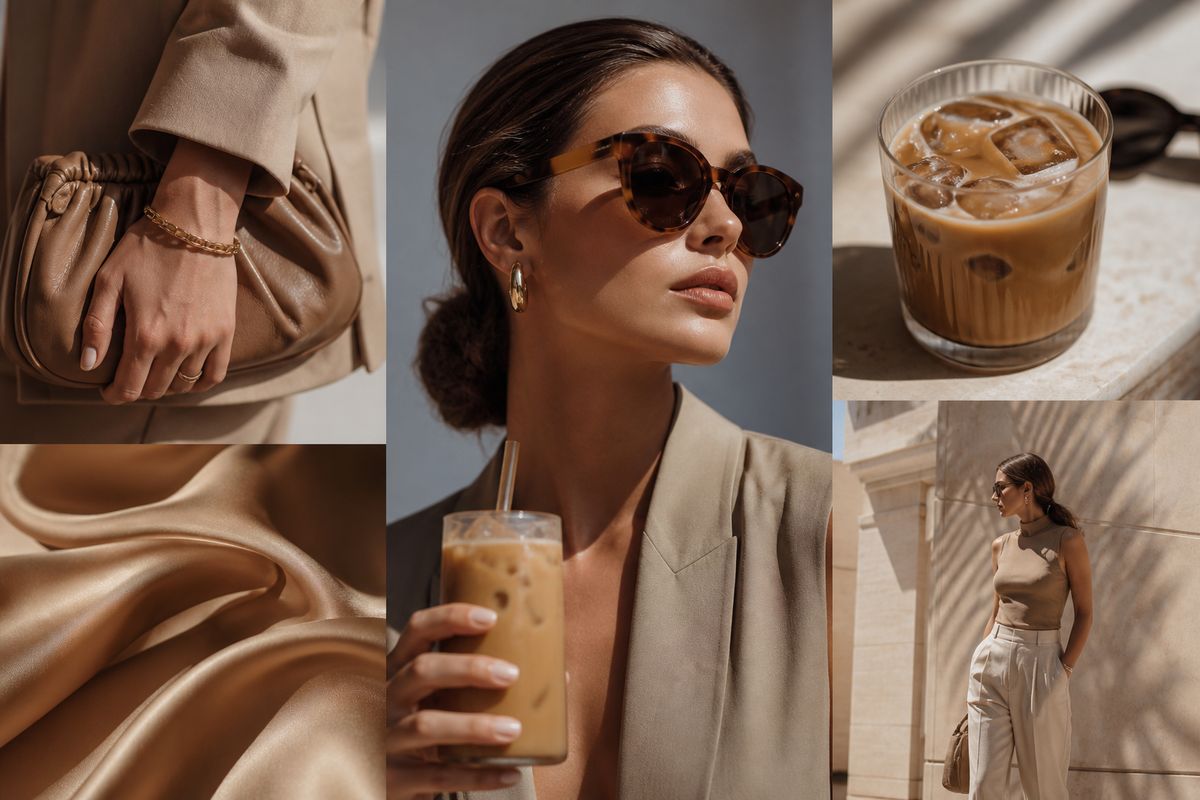
Introducing the Iced Coffee Colour Trend
This summer, a quiet but compelling shift is taking place in the world of colour. According to The Telegraph, the shade to watch is ‘iced coffee’ – a warm, milky beige with subtle brown undertones that evokes the soothing comfort of its namesake beverage. Unlike the stark whites or loud neons that often dominate warmer seasons, this hue offers a refined, sophisticated alternative. The iced coffee colour trend is not merely a fashion fad; it is already appearing in interior design, beauty, and even graphic design, signalling a broader cultural appetite for understated luxury.
The term ‘tasteful’ is key. In a landscape saturated with hyper-saturated palettes, iced coffee stands out by blending in. It is a neutral that feels neither cold nor clinical, but instead delivers a sense of warmth and ease. Early adopters include minimalist fashion houses and high-end homeware brands, who are using the shade to ground collections and create spaces that feel both modern and inviting. The Telegraph’s endorsement suggests that this is more than a passing whim – it is a deliberate choice for those who value longevity over novelty.
What is the Iced Coffee Shade?
To understand why iced coffee resonates, it helps to pin down exactly what the colour looks like. Imagine a perfectly made iced latte: the creamy beige of milk swirling into dark espresso, resulting in a soft, muted brown that is neither too yellow nor too grey. It sits between classic camel and pale taupe, with a warmth that separates it from the cooler greiges that have dominated recent years. The hex code for a typical iced coffee shade might be around #C4A882, but variations range from lighter ‘iced latte’ to deeper ‘cold brew’.
Colour authority Pantone, which regularly names a Colour of the Year, has yet to officially designate an iced coffee shade, but industry insiders point to a broader movement towards ‘warm minimalism’. This trend rejects the harshness of pure white in favour of softer, earthier tones that create a sensory cocoon. Iced coffee fits perfectly into this narrative: it is versatile enough to serve as a backdrop for bold accents, yet strong enough to stand alone as a statement. In fashion, it works as a head-to-toe monochrome look, while in interiors it can warm a room without overwhelming it.
From Runway to Living Room: Where the Trend Appears
Fashion and Accessories
Leading designers have embraced the iced coffee colour trend in their recent collections. At the Spring/Summer 2025 shows, brands such as Gucci and Loewe featured flowing linen dresses and tailored separates in milky beige tones, often paired with crisp white or rich chocolate for contrast. Footwear brands have also taken note: sneakers and sandals in iced coffee leathers offer a dressier alternative to the ubiquitous white trainer. The appeal lies in its ability to suggest effortless elegance; it is a neutral that looks expensive without trying too hard.
Interior Design
Home decor is perhaps where the iced coffee shade shines brightest. Paint companies including Farrow & Ball and Sherwin-Williams have reported rising sales of warm beige and mushroom tones, with names like ‘Oyster’ and ‘Shoji White’ receiving renewed interest. Iced coffee walls create a serene backdrop that works with both modern and traditional furniture. Textiles such as bouclé, linen, and brushed cotton in this shade add depth and texture, while ceramic accessories and tableware complete the look. The trend is particularly popular in living rooms and bedrooms, where a calm atmosphere is prized.
Beauty and Cosmetics
The beauty industry has also latched onto iced coffee. Nail polish brands like Essie and OPI now offer ‘iced coffee’ shades as part of their summer collections, promising a sophisticated manicure that complements all skin tones. In makeup, creamy beige eyeshadows and lipsticks offer a natural, ‘your lips but better’ effect that aligns with the growing ‘clean girl’ aesthetic.
Why Tasteful? The Psychology of Warm Neutrals
The Telegraph’s choice of the word ‘tasteful’ is deliberate and revealing. Taste is subjective, but in design circles it often equates to restraint, balance, and timelessness. Iced coffee delivers on all three. Its warmth taps into a psychological need for comfort and stability, especially as the world grapples with economic and environmental uncertainty. Colour psychology suggests that beige tones evoke reliability and calmness, providing a visual anchor in chaotic times.
Moreover, iced coffee represents a departure from the polarising extremes of recent colour cycles. The late 2010s and early 2020s saw the dominance of millennial pink, millennial grey, and then bold ‘dopamine dressing’ palettes. While those trends had their moment, consumers now appear to be craving a more nuanced, grown-up palette. Iced coffee sits comfortably between the ‘quiet luxury’ trend – think cashmere, silk, and understated tailoring – and the broader ‘warm minimalism’ movement. It is a shade that says ‘I choose quality over quantity’ and ‘less is more’ without resorting to boring beige.
The Bigger Picture: A Return to Earthy Minimalism
The iced coffee colour trend is not an isolated phenomenon. It is part of a larger cultural shift towards earthy minimalism that values texture, craft, and sustainability. After years of maximalist patterns and fast-fashion cycles, many consumers are rethinking their relationship with material goods. Investing in a single iced coffee linen dress or a hand-thrown pottery mug in the same hue feels more intentional than chasing every fleeting trend.
This movement echoes historical moments when societies turned to neutrals in times of reflection. The 1990s, for instance, saw a similar rise of beige and taupe as a reaction to the excess of the 1980s. Today’s iteration is informed by a heightened awareness of climate change and ethical production. Iced coffee pairs naturally with organic cotton, recycled wool, and unbleached woods – materials that prioritise environmental consciousness. The shade also aligns with the biophilic design trend, which seeks to bring nature indoors; warm, earthy browns and creams mimic sand, stone, and bark, creating a space that feels connected to the natural world.
Furthermore, the rise of digital fatigue may be fuelling the desire for analogue comfort. As we spend more hours staring at screens bathed in blue light and bright colours, our physical environments need to provide a visual antidote. Iced coffee offers a soft, low-contrast background that is easy on the eyes and soothing to the nervous system. It is, in many ways, the perfect colour for a world that is constantly “on.”
How to Incorporate Iced Coffee into Your Life
Adopting the iced coffee colour trend does not require a complete overhaul of your wardrobe or home. Start small: a handbag, a throw pillow, or a single pot of paint on a feature wall. The shade pairs beautifully with other neutrals like cream, charcoal, and slate blue, but it also works as a grounding anchor for bolder colours such as terracotta, sage green, or muted mustard. In fashion, an iced coffee trench coat over a white tee and blue jeans feels instantly chic, while in the bedroom, iced coffee bed linen with olive green cushions creates a resort-like calm.
When using the shade in interior design, pay attention to lighting. Iced coffee can appear too drab in north-facing rooms with cool light, so balance it with warm LED bulbs or brass fixtures. Layering textures is essential: pair a matte iced coffee wall with a glossy ceramic vase, or a smooth iced coffee sofa with a chunky knit blanket. This prevents the look from feeling flat. Avoid pairing iced coffee with other overly warm tones like beige on beige unless you contrast with cool accents; otherwise, the room may feel muddy.
What Experts Are Saying
While The Telegraph brought the iced coffee colour trend to public attention, colour forecasters have been signalling a move towards warm neutrals for some seasons. WGSN, a leading trend forecasting agency, has previously identified ‘terra neutrals’ as a key direction, with shades reminiscent of clay, limestone, and – yes – iced coffee. Interior designers such as Kelly Wearstler and Studio McGee have also featured similar hues in recent projects, championing their versatility.
Fashion editorials have embraced the trend as a antidote to the ‘loud luxury’ of logos. The shade has been spotted on everything from tailoring to swimwear, and Instagram feeds are filling with carefully styled flatlays featuring iced coffee cups, notebooks, and clothing. The consistency across industries suggests that this is not a niche micro-trend but a major shift in aesthetic sensibility. As one interior design expert (who spoke on condition of anonymity) noted, “The biggest compliment you can give a beige is that it doesn’t look boring – and iced coffee has that balance.”
The Takeaway: A Season to Sip
The iced coffee colour trend is more than a fleeting summer fad; it represents a thoughtful response to the cultural moment. It offers a palette that is both comforting and refined, easy to live with and endlessly adaptable. Whether you are refreshing your capsule wardrobe, repainting your living room, or simply picking out a new summer dress, iced coffee is a choice that promises to look tasteful for many seasons to come. It invites you to slow down, sip slowly, and appreciate the quiet beauty of a well-chosen shade.