
Starbucks Korea to Close All Stores for a History Lesson After Bungled Promotion
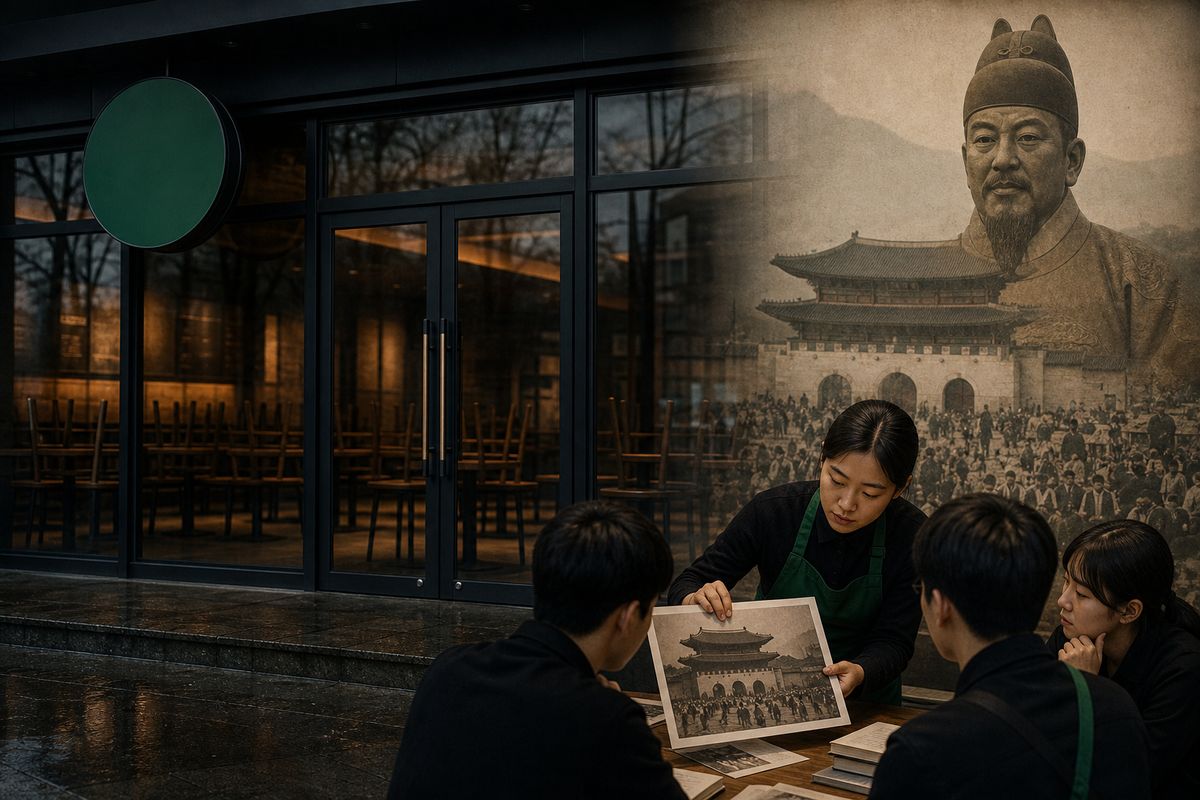
Starbucks Korea's Unprecedented Shutdown: A Lesson in History and Brand Trust
In a dramatic move that has stunned the global coffee industry, Starbucks Korea announced it will temporarily close all of its stores across the country to conduct mandatory history lessons for employees. The decision comes in the wake of a bungled coffee promotion that critics say trivialised or misrepresented a deeply sensitive chapter in Korean history. While the company has not disclosed the exact nature of the promotional misstep, the scale of the response—shuttering more than 1,600 outlets for a full day—signals a watershed moment in how multinational corporations handle cultural sensitivities.
The closure, scheduled for a single weekday, will force approximately 20,000 partners (the company's term for staff) to attend training sessions focused on Korea's modern history, particularly the Japanese colonial period (1910–1945). Starbucks Korea, a joint venture between Starbucks Coffee International and the Shinsegae Group, is one of the most successful coffee chains in the country, but this incident reveals that even market leaders can stumble when local history intersects with global branding.
What Went Wrong? The Promotion That Backfired
Though the specific details of the promotion have not been fully disclosed in publicly available sources, early reports indicate that a limited-time coffee offer inadvertently referenced imagery or language associated with Japan's imperial past. In South Korea, any allusion to the Rising Sun Flag, the colonial administration, or symbols of the Japanese occupation can ignite immediate public anger. Past controversies have involved everything from T-shirt designs to convenience store products. In this case, the Starbucks promotion appears to have crossed a red line, triggering a social media firestorm.
The company initially apologised online but soon realised that a simple statement would not suffice. Within 48 hours, CEO of Starbucks Korea, Sohn Young-ho, issued a personal apology and announced the unprecedented store closure. "We must understand the pain of our customers and the importance of our history," he said in a statement. The decision to turn the crisis into an educational opportunity is a calculated move to rebuild trust—but it also exposes the gaps in corporate training programmes that treat cultural sensitivity as an afterthought.
Starbucks in Korea: A Market Giant with a Fragile Reputation
Starbucks entered the South Korean market in 1999 and has since grown to become the country's largest coffee chain by revenue, with over 1,600 locations and a loyal customer base. The joint venture with Shinsegae, a retail conglomerate, has allowed the brand to adapt to local tastes—offering items like sweet potato lattes and green tea frappuccinos—while maintaining global consistency. Yet the company has faced previous cultural controversies. In 2021, it was criticised for a promotion tied to Liberation Day (August 15) that some felt commercialised a sacred national holiday. That incident was resolved with a swift apology, but the current situation is more severe.
What makes this incident different is the company's willingness to halt operations entirely. No other major coffee chain in Korea—or indeed globally—has ever closed all its stores for a history lesson. The move reflects the unique pressure that foreign brands face in South Korea, where public sentiment can turn rapidly against companies perceived as disrespectful to national history. It also highlights the elevated role of Starbucks in Korean society: the brand is a cultural icon, but with that status comes heightened scrutiny.
The Shinsegae Connection
Starbucks Korea is not a wholly owned subsidiary of the US parent; it is a 50/50 joint venture with Shinsegae, which also runs department stores, convenience stores, and e-commerce platforms. Shinsegae's chief, Chung Yong-jin, is known for his hands-on approach and commitment to corporate social responsibility. Industry insiders suggest that Chung personally pushed for the closure after realising that a standard apology would not contain the reputational damage. The decision also aligns with Shinsegae's broader strategy of using Korean pride as a marketing tool—for instance, its loyalty programmes often feature historical figures.
Behind the Decision: Why a History Lesson?
The choice to educate employees on Korea's colonial era is not arbitrary. Relations between South Korea and Japan remain fraught, with unresolved disputes over wartime forced labour, comfort women, and territorial claims. Symbols that evoke Japanese imperialism—such as the Rising Sun flag, which Japan used during its occupation—are effectively banned from public display in Korea. The Starbucks promotion allegedly used a design or name that reminded consumers of these symbols, sparking accusations of insensitivity.
By requiring all employees to undergo a structured history lesson, Starbucks is attempting to institutionalise cultural competence. The curriculum, developed in consultation with historians and civic groups, covers key events from 1910 to 1945, including the March 1st Movement (1919) and the Korean independence struggle. This approach mirrors the educational campaigns that some Japanese firms have implemented in response to similar controversies, but the scale is unprecedented. For Starbucks, the lesson is a dual investment: in employee sensitivity and in public relations.
Comparative Corporate Responses
Other global brands have faced similar crises in Korea. In 2018, Uniqlo closed its stores in Korea after a feud over its use of a colonial-era advertisement; the brand never fully recovered. In 2020, a coffee company called Paul Bassett faced boycotts for a design that resembled the Rising Sun. Most companies rely on apologies, product withdrawals, and donations to charity. Starbucks's move to physically close stores and mandate a history lesson is a far more aggressive—and potentially more effective—reparation strategy. It signals that the company is willing to absorb significant revenue loss (estimated at over $2 million in a single day) to demonstrate sincerity.
What This Means for the Coffee Industry and Beyond
The Starbucks Korea episode serves as a cautionary tale for global brands operating in markets with deep historical wounds. In East Asia, where national identity and historical memory are highly politicised, a single marketing gaffe can erode years of brand equity. Competitors such as Paul Bassett, Ediya Coffee, and Mega Coffee are watching closely. They may now review their own promotional materials for hidden landmines. The incident also raises the bar for crisis management: mere apologies are no longer sufficient; companies must demonstrate active learning.
From a regulatory perspective, the Korean government has not intervened directly, but the public backlash shows that self-regulation may be necessary. The Starbucks case may encourage other firms to proactively train employees on historical sensitivity, especially around national holidays and symbols. It also highlights the growing role of social media in policing corporate behaviour. The promotion was likely flagged by netizens within hours, forcing a rapid response. In the age of viral outrage, brands cannot afford to be slow learners.
History as a Brand Strategy: A Lasting Lesson
Starbucks Korea's gamble is whether a one-day history lesson will indeed change employee behaviour and restore public trust. Critics argue that such training can feel performative unless it is part of an ongoing commitment. Others praise the company for taking responsibility rather than deflecting blame. The long-term impact will depend on whether the lessons are repeated, whether the curriculum is made public, and whether Starbucks takes additional steps—such as donating to historical education funds or ensuring that future promotions are vetted by cultural advisers.
For now, the announcement has received mixed reactions in Korean media. Some commentators applaud the boldness; others dismiss it as a publicity stunt. But one thing is clear: the bungled coffee promotion has accidentally sparked a national conversation about how corporations should engage with history. And for Starbucks Korea, the best way forward is to ensure that every partner knows exactly why that conversation matters.