
TSA PreCheck Touchless ID expands, what it means for airport security

TSA PreCheck Touchless ID moves from pilot to practical reality
TSA PreCheck Touchless ID is no longer just a shiny concept for conference stages, it is an operational change in how some travellers move through US airport security in 2026. The development, as described in the Transportation Security Administration’s own materials, centres on a voluntary, opt-in identity check that can be completed without handing over a physical ID at the checkpoint, using a compatible digital wallet experience.
In plain terms, the traveller opts in with Google Wallet, then looks for a specific indicator on their mobile boarding pass. If the TSA PreCheck Touchless ID indicator appears, they can enter a dedicated lane and proceed through the identity step with less physical handling. It is a small shift in the choreography of the checkpoint, but it is a meaningful one. And it lands at a time when airports are trying to balance security, staffing pressures, and passenger expectations for speed.
It is also worth being clear about what is, and is not, in the available source material. The TSA describes the opt-in flow and the presence of dedicated lanes, but it does not provide figures on how many airports currently support the feature, how many passengers have used it, or what percentage of PreCheck throughput it represents. That absence matters, because the story here is not just about a new option, it is about whether the option scales.
What exactly is TSA PreCheck Touchless ID in 2026?
The core of TSA PreCheck Touchless ID is the idea that identity verification can be completed with less friction at the checkpoint. The TSA’s description focuses on a few concrete steps: the traveller opts in with Google Wallet, checks their boarding pass, and confirms that a specific Touchless ID indicator appears on the mobile boarding pass before entering the dedicated lane. That indicator is doing a lot of work, because it signals eligibility and helps keep the lane operationally clean. No indicator, no lane.
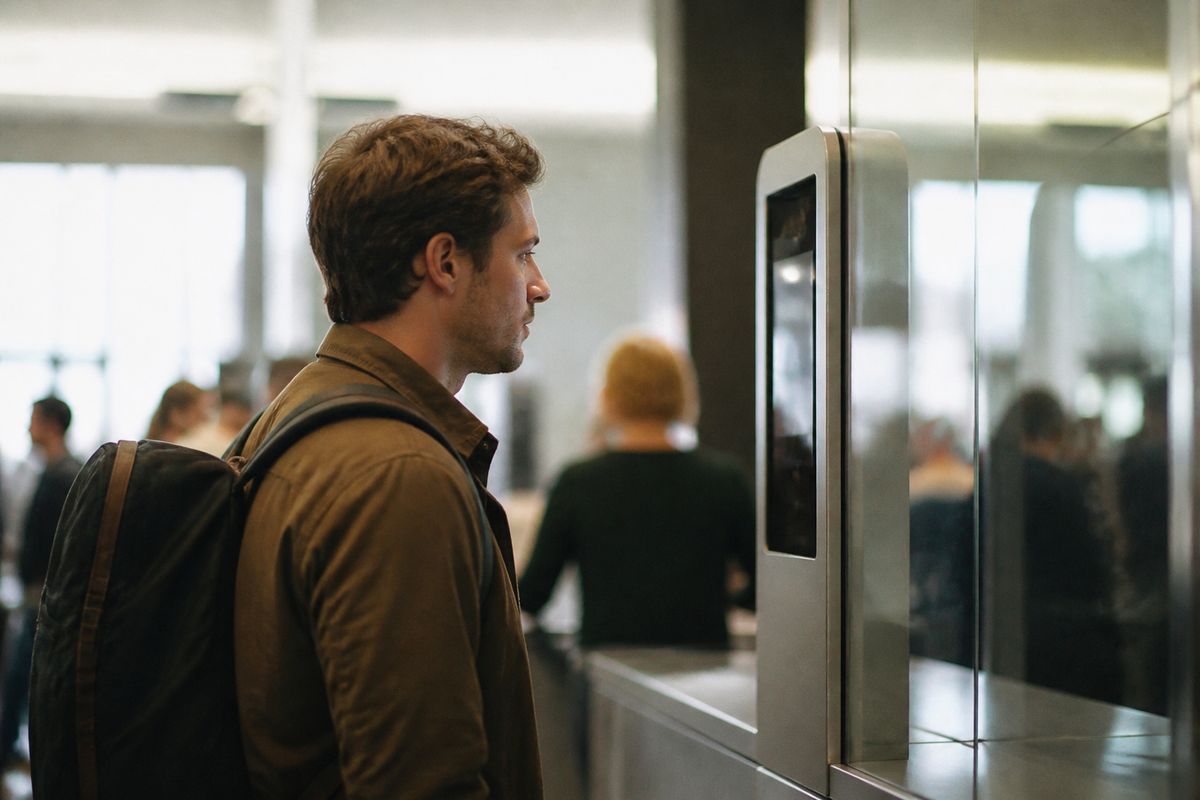
That design choice hints at a bigger operational truth. Airport security is a high-volume environment where small ambiguities create queues fast. A visible marker on the boarding pass is a simple way to reduce arguments at the podium and keep officers focused on the process rather than troubleshooting. It is not glamorous, but it is the kind of detail that makes or breaks a rollout.
The TSA also supports travellers through its broader digital ecosystem. The MyTSA app, for example, positions itself as a practical companion: it helps users discover which airports and airlines support TSA PreCheck, learn how to sign up, and access support features such as chat. That matters because Touchless ID is not a standalone gadget, it sits inside a wider push to make the passenger journey more self-service, more predictable, and less dependent on paper documents.
Still, the key word is opt in. The TSA’s own wording frames Touchless ID as a choice, not a mandate. That is a deliberate posture in a country where digital identity and biometric systems can trigger immediate political and privacy pushback. The agency is effectively saying: this is a convenience feature for eligible travellers, not a compulsory new ID regime.
How TSA airport security got here, and why the agency is built for change
To understand why TSA PreCheck Touchless ID is even on the table, it helps to zoom out. The Transportation Security Administration is created in response to the September 11 attacks, with a mission to improve airport security procedures and consolidate air travel security under federal law. That origin story matters, because the TSA is designed to standardise and professionalise a system that had previously been fragmented. In other words, it is an agency born out of a crisis, and it has spent decades trying to evolve without losing public trust.
Over time, the TSA’s remit becomes a balancing act between security effectiveness and passenger throughput. The public sees the checkpoint, the queues, the bins, the pat-downs. But behind that is a constant process-engineering problem: how to verify identity, assess risk, and screen property at scale. Programmes like TSA PreCheck are part of that evolution, creating differentiated lanes for travellers who meet certain criteria, so the system can focus resources where they are most needed.
Touchless ID fits neatly into that logic. If the TSA can make the identity step faster and less physically interactive for a subset of travellers, it can reduce bottlenecks at a point in the process that often becomes the choke. And it can do it without changing the fundamentals of screening. This is not a replacement for screening, it is a change to the front door.
There is also a workforce angle that sits in the background of any TSA operational change. The agency recruits and pays many roles using the US government’s General Schedule grade scale, where grade and pay are tied to experience. That is not a detail most passengers think about, but it shapes how quickly new processes can be trained and standardised. A change like Touchless ID is not just a software update, it is a training and compliance challenge across a distributed workforce.
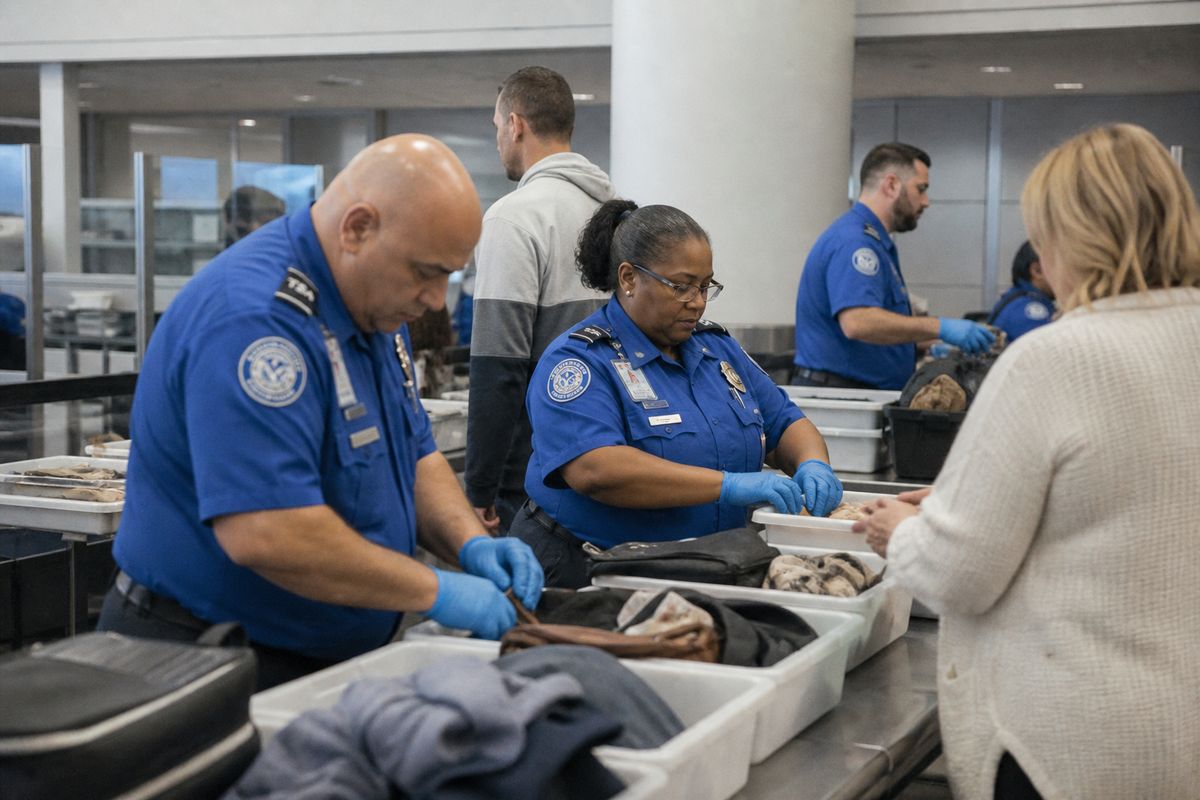
The technology and the traveller experience, what actually changes at the checkpoint
For the traveller, the promise of TSA PreCheck Touchless ID is straightforward: fewer physical touchpoints and a smoother identity check. The TSA’s own description emphasises the boarding pass indicator and the dedicated lane. That suggests a flow where the traveller’s eligibility and opt-in status are confirmed before they reach the officer who is managing the identity step. In practice, that can reduce the time spent fumbling for a wallet, passing over a card, waiting for it to be returned, and repeating the same dance hundreds of times per hour.
For the checkpoint, the change is more subtle but arguably more important. Touchless processes reduce the number of micro-interactions that slow down a line. They also reduce the number of objects being handled, which can matter for hygiene and for simple operational neatness. Anyone who has watched a busy podium knows how quickly it becomes a mess of documents, phones, questions, and exceptions. A system that is designed to be binary, indicator present or not, can keep the lane moving.
But there is a catch, and it is not a small one. Touchless ID depends on a chain of dependencies: the traveller must have a compatible device, must use a supported digital wallet option, must have a mobile boarding pass, must be on an airline and at an airport that supports the feature, and must see the indicator. If any link breaks, the traveller is back to the standard process. That is fine, fair enough, but it means the experience can be inconsistent, especially during early expansion.
And then there is the human factor. The TSA maintains an official presence on social platforms, and community discussion spaces exist where travellers and employees talk about day-to-day realities. Those conversations (even when messy) highlight a truth: the checkpoint is a people system. New tech can reduce friction, but it can also create new confusion if signage is unclear, if staff are not aligned, or if passengers assume the feature is universal. The dedicated lane concept helps, but only if airports implement it cleanly.
TSA PreCheck Touchless ID and the wider industry shift towards digital identity
Touchless ID is part of a broader travel industry trend: moving identity and eligibility checks into digital channels, ideally before the traveller even arrives at the airport. Airlines want faster boarding. Airports want smoother passenger flows. Security agencies want stronger assurance with less manual handling. Everyone wants fewer queues, because queues are where customer satisfaction goes to die.
What makes the TSA’s approach notable is its incrementalism. Rather than declaring a sweeping new digital identity requirement, the agency frames Touchless ID as an opt-in benefit within TSA PreCheck, with a visible indicator and a dedicated lane. That is a cautious deployment strategy. It reduces the risk of disruption, limits the initial user base to people already enrolled in a trusted traveller programme, and gives the TSA room to refine the process without turning every checkpoint into a test lab.
There is also a competitive dynamic, even if it is not spoken aloud. Airports and airlines increasingly differentiate on experience. If a major hub can advertise a smoother security journey for eligible travellers, it becomes part of the airport’s brand. And if a digital wallet integration becomes the norm, travellers start to expect it. Expectations are sticky like that. Once people get used to not taking out a physical ID, going back feels like a step backwards.
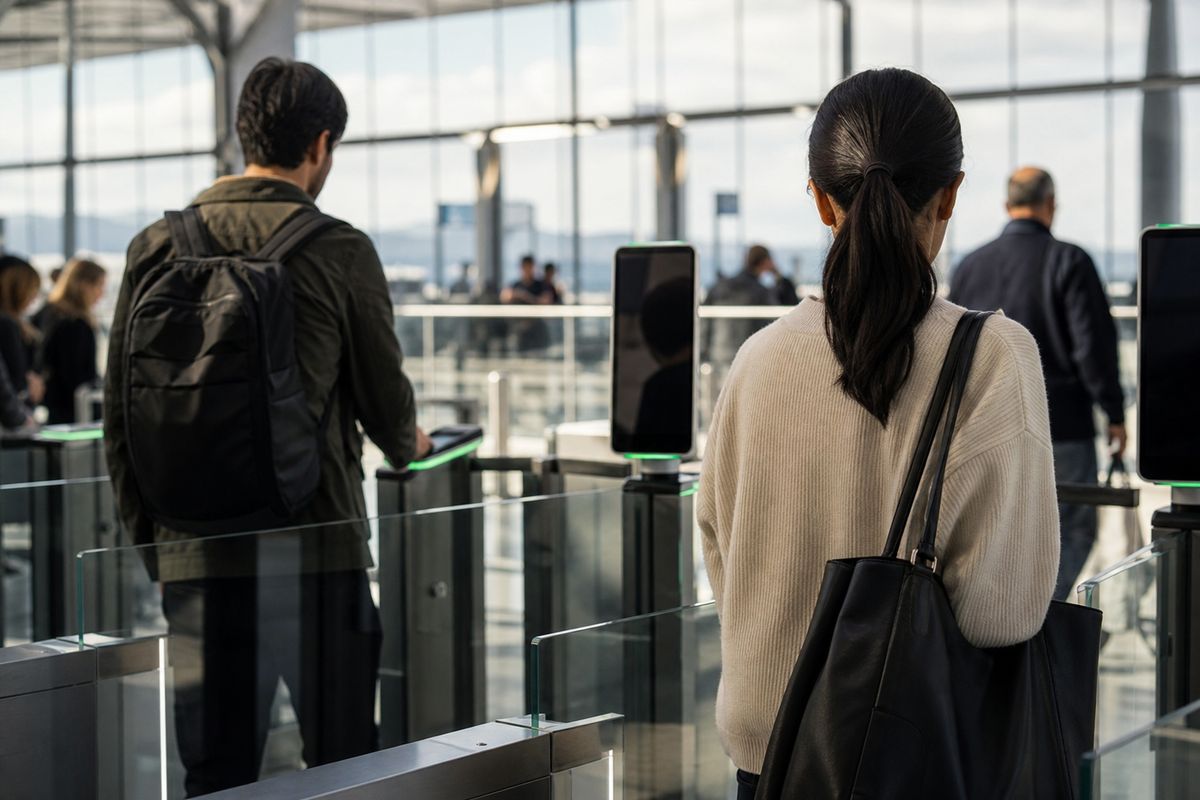
Historically, airport security changes tend to come in waves, often triggered by external events. The TSA itself is created after a major shock. Since then, the agency has layered on programmes and processes to manage risk and volume. Touchless ID looks like a wave driven not by crisis, but by consumer tech maturity and operational pressure. That is a different kind of change, quieter, but potentially more enduring.
Why It Matters
The most interesting thing about TSA PreCheck Touchless ID is not the gadgetry, it is the governance model it implies. By making the feature opt-in and signalling eligibility through a boarding pass indicator, the TSA is effectively experimenting with a new contract between traveller, airline, and state. The traveller consents to a digital flow. The airline and wallet ecosystem carry part of the identity experience. The TSA validates and operationalises it at the checkpoint. That is a three-way system, and it is more complex than the old model of “show card, get waved through”.
And complexity cuts both ways. Done well, it can reduce friction and free up officers to focus on exceptions and higher-value security tasks. Done poorly, it can create a two-speed checkpoint where some passengers glide through while others feel left behind, confused, or pressured to adopt a particular technology stack. The TSA’s emphasis on opt-in is a nod to that risk, but the social reality is that convenience features can become de facto expectations. People do not like feeling like second-class travellers, even when the rules are clear.
There is also a subtle resilience question. A touchless identity step that relies on mobile boarding passes and digital wallet integrations is only as robust as the systems behind it. Outages happen. Battery dies. Screens crack. Network hiccups. The TSA will still need a reliable fallback that does not collapse the lane structure. In that sense, Touchless ID is not just a new feature, it is a test of how well airport security can operate in a hybrid world, part digital, part physical, with graceful degradation when tech fails.
What to watch next for TSA PreCheck Touchless ID in 2026
The immediate question is scale. The MyTSA app positions itself as a way to discover which airports and airlines support TSA PreCheck, which implies that support is not universal. As Touchless ID expands, travellers will want clarity: which airports, which airlines, which devices, and what the on-the-day experience looks like. Without that clarity, the feature risks becoming a source of confusion rather than a benefit.
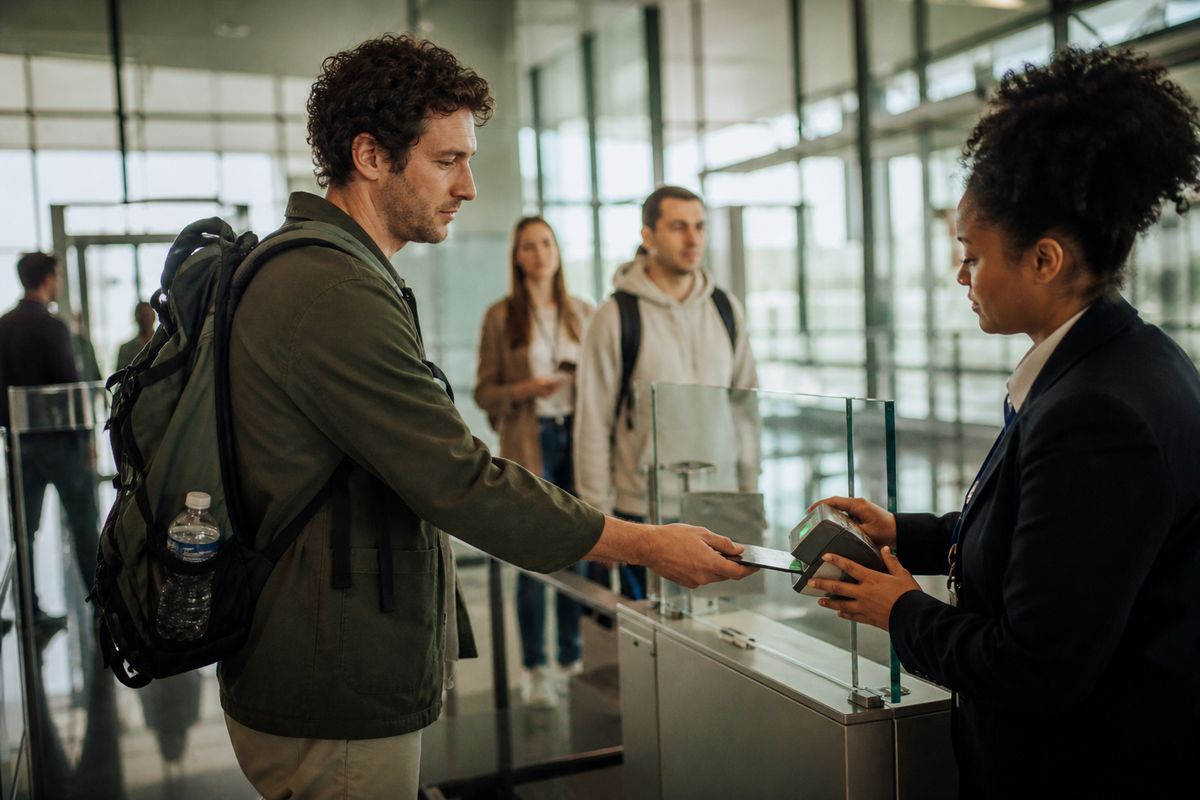
Another thing to watch is how the TSA communicates changes. The agency uses official channels, including its verified social presence, to share updates and operational messaging. That matters because security processes are sensitive to misinformation. A rumour that “TSA no longer accepts physical ID” would be wrong and damaging. Clear, repetitive communication is not exciting, but it is essential when rolling out anything that touches identity.
There is also the workforce implementation piece. Training officers to manage a dedicated Touchless ID lane, handle exceptions, and keep the process consistent across airports is a non-trivial task. The TSA’s staffing and pay structures, including roles organised under the General Schedule system in many parts of government, shape how quickly expertise can be built and retained. If turnover is high or training is uneven, the passenger experience will vary wildly from airport to airport. And that is when public confidence starts to wobble.
Finally, the broader policy environment will matter. Digital identity in travel sits at the intersection of privacy, security, and commercial platforms. The TSA’s current framing is careful and limited. But as adoption grows, questions will follow about data handling, consent, and whether alternative wallet ecosystems are supported. Those debates are not hypothetical. They are the price of moving identity into consumer tech rails.
Closing thoughts, a small checkpoint change with big implications
TSA PreCheck Touchless ID sounds like a convenience tweak, and on the surface it is. A dedicated lane, an indicator on a mobile boarding pass, an opt-in flow through Google Wallet. Nothing about that screams revolution. But airport security is built out of small steps repeated millions of times. Shave seconds off an interaction, reduce handling, cut down on confusion, and the whole system feels different.
The TSA is an agency created to restore confidence in air travel security after September 11. In 2026, its challenge is less about inventing new rules and more about modernising the experience without undermining trust. Touchless ID is a bet that digital identity can be introduced in a controlled, voluntary way that improves throughput while keeping the security posture intact. If it works, travellers will barely notice. And that, in airport operations, is usually the point.