Best coffee beans in the US, Bean Box vs Fellow for 2026
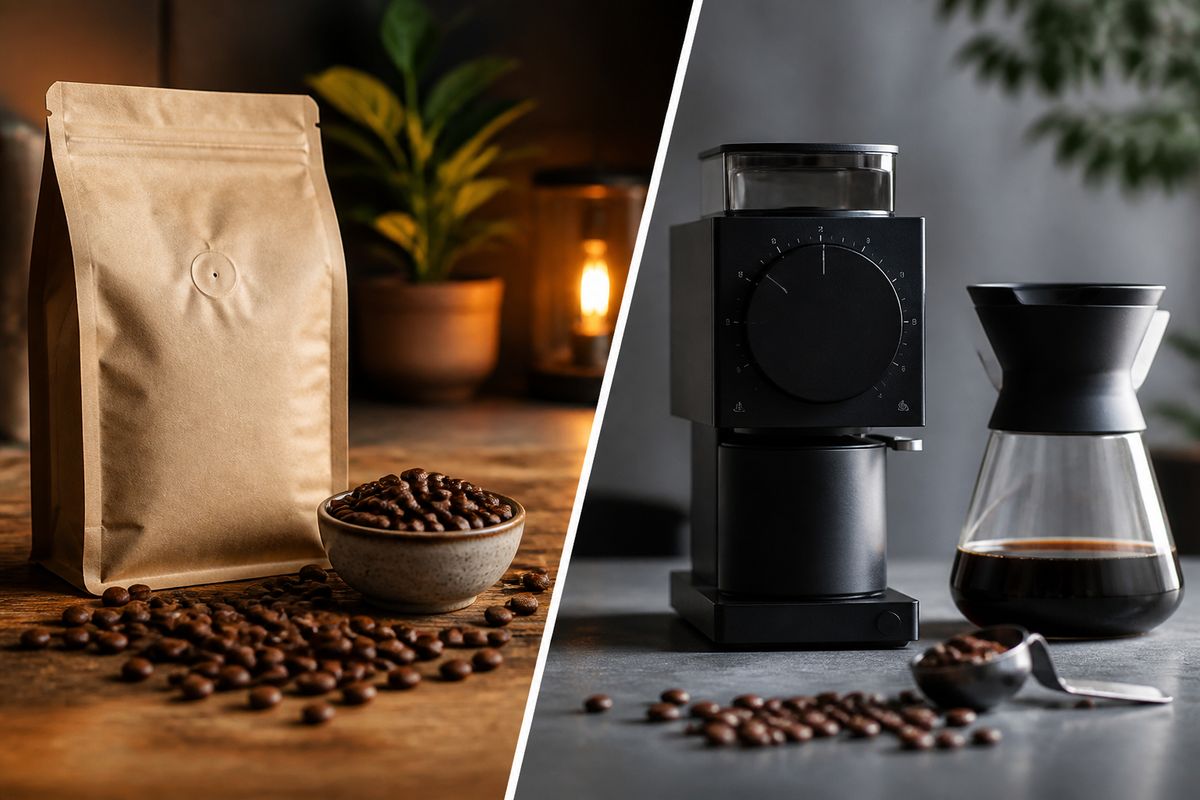
Best coffee beans in the US, Bean Box vs Fellow, why this 2026 comparison matters
In September 2026, the hunt for the best coffee beans in the US is less about finding a single “winner” and more about choosing the right buying model. Two very different approaches sit at the centre of that decision. Bean Box positions itself as an expert curated marketplace with an enormous catalogue and deep filtering, while Fellow keeps things tight with a small set of best selling coffees that come with Aiden profiles baked into the product story.
That difference sounds subtle, but it changes everything. One route is about breadth, discovery, and matching flavour to mood, method, and values. The other is about repeatability, confidence, and buying what is already proven to sell. And for a lot of people, that is the real question: does the buyer want to explore, or do they want to standardise?
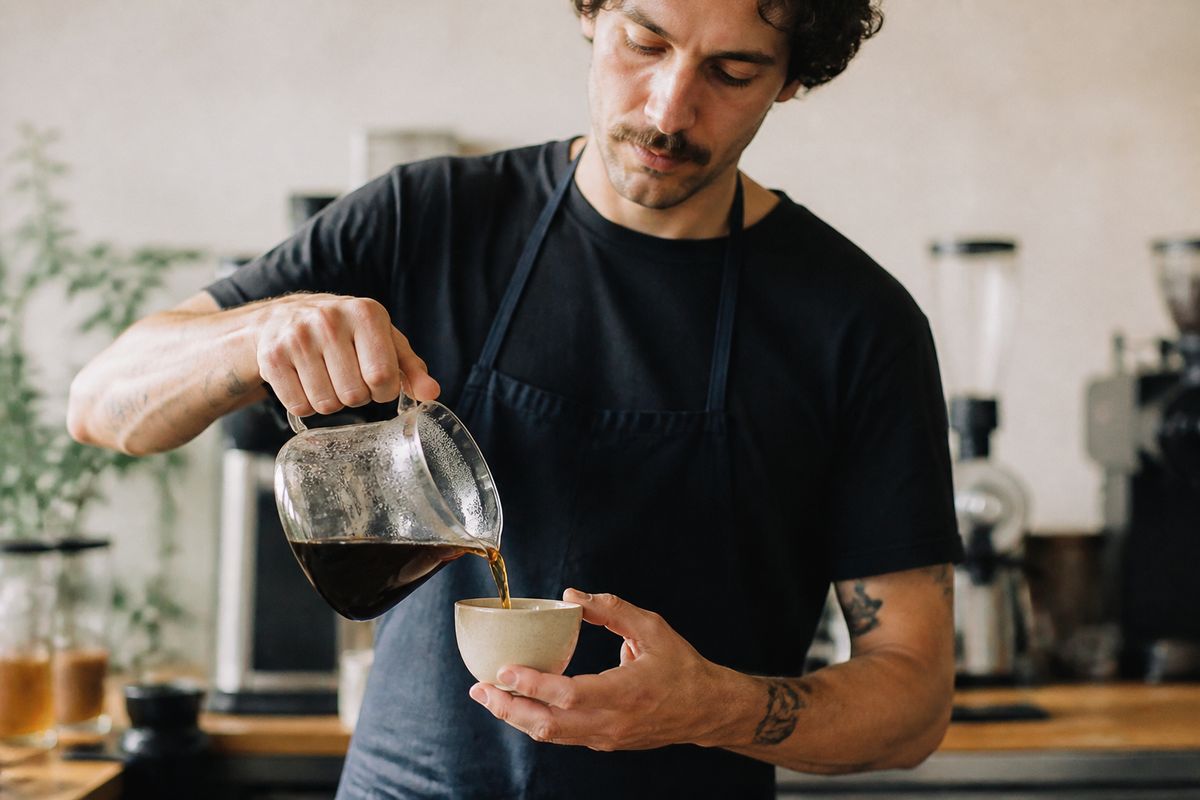
This comparison guide uses the available source material to break down what is actually on offer, how each brand frames quality, and what it means for everyday brewing. It also pulls in practical brewing guidance on roast levels, origins, blends, and freshness, because the “best beans” are only best when they suit the brew method and the drinker.
The 2026 news event, curated mega catalogues vs tight best seller lists
The specific development in the source material is not a corporate acquisition or a new farm partnership, it is a product and merchandising signal. Bean Box presents a highly structured “Best Coffee Beans in the U.S.” experience with extensive filters and a large visible inventory count. The listing shows 626 coffees in the catalogue view, with filters spanning roast profile, coffee type, curation labels, taste notes, bag sizes, sustainability attributes, and roaster names. That is a clear statement of intent: this is coffee buying as a guided search problem.
Fellow, by contrast, publishes a “Best Selling Coffee Beans” collection with 12 items. Each is presented as a top seller and explicitly described as coming “all with Aiden profiles”. The range includes light, medium, dark, and decaf options, with prices displayed for each product. It is a different kind of curation, less like a marketplace and more like a shortlist.
Put bluntly, the 2026 story here is that specialty coffee retail continues to split into two lanes. One lane scales choice and personalisation through filters, tags, and “expert curated” positioning. The other lane scales confidence through a small menu of repeatable hits, often tied to a broader hardware or workflow ecosystem. Neither is inherently better. But they serve different customers, and they push the industry in different directions.
Background, who Bean Box and Fellow are in this comparison
Bean Box, based on the source material, operates as a curated catalogue bringing together a wide range of roasters and coffees. The interface is built around structured discovery: roast profile counts show light (221), medium (277), and dark (128). Coffee type counts include blend (383), single origin (243), cold brew (137), decaf (96), and espresso (60), plus smaller categories like half caf (7) and mushroom coffee (2). That level of taxonomy is not just window dressing, it is a business model. The more structured the catalogue, the easier it is to match a buyer’s intent to a product.
Bean Box also foregrounds “curation” labels such as top rated (247) and award winning (34), plus niche discovery tags like gesha and rare (12) and anaerobic and exotic (12). It lists sustainability filters including organic (100), direct trade (97), fair trade (44), and smaller labels like Rainforest Alliance (7) and Bird Friendly (3). Again, this is a deliberate attempt to make coffee buying feel like choosing a product with attributes, not just picking a bag that looks nice.
Fellow, in the source material, frames coffee as a set of best sellers and highlights compatibility with Aiden profiles. The list includes coffees such as Angel Wings (Medium, $19.00), Cherry Pick (Medium, $22.00), Dead Reckoning Seasonal Blend (Medium, $21.00), Ethiopia Anasora Guji Natural (Light, $24.00), La Angostura Decaf (Decaf, $26.00), Obsidian (Dark, $19.00), and others including Southern Weather (Medium, $21.50) and The Natural (Medium, $22.00). The key point is not the names, it is the tight set and the implied repeatability.
Best coffee beans in the US, catalogue depth and discovery tools
For buyers who treat coffee like a hobby, Bean Box’s depth is the headline. The catalogue view shows 626 coffees, and the filters are unusually granular. Taste tags alone include chocolaty (269), sweet (216), creamy (168), floral (123), nutty (117), and smaller segments like boozy (15) and smoky (13). That matters because flavour language is how most people shop online when they cannot smell or taste first. If a buyer knows they love “floral” pour overs or “chocolaty” espresso, the filter system does real work.
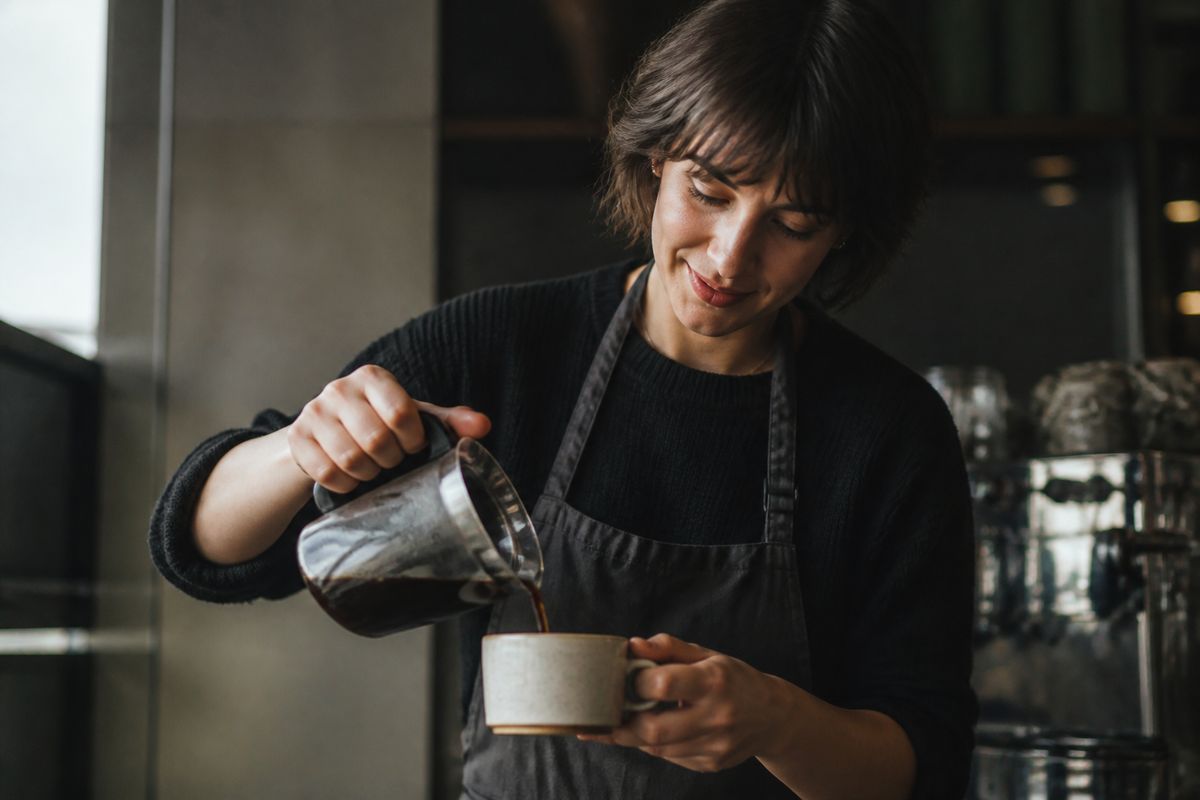
Bean Box also exposes bag size options at scale, including standard (545), large (453), 2lb (374), 5lb (272), and even 1kg (16). That is a practical differentiator. Someone brewing for a household, an office, or just drinking a lot can optimise for value and fewer reorders. Someone chasing freshness can stick to smaller bags. And yes, it is not exactly groundbreaking, but it is the kind of operational detail that decides whether a subscription or repeat purchase feels easy or annoying.
Fellow’s discovery model is the opposite. With 12 best sellers, the “filter” is essentially social proof. The buyer is told, implicitly, these are the coffees other people keep buying. That can be a relief. Too much choice can be paralysing, and a small list reduces the risk of ending up with a bag that does not suit the drinker’s palate. The Aiden profile note also suggests a workflow where the brand helps standardise brewing outcomes, which is a different kind of discovery: not “what coffee should I try next?” but “what coffee will work reliably in my setup?”
Roast levels, origins, and brew method fit, where each approach shines
Choosing beans without thinking about brew method is how people end up disappointed. The brewing guide in the source material is clear: light roasts preserve original flavour characteristics and tend to show bright acidity and fruity or floral notes; medium roasts balance sweetness and acidity; dark roasts lean bold and smoky with lower acidity. It also draws a practical line between single origin beans, which highlight terroir and nuance, and blends, which aim for balance and consistency.
For espresso, the guide recommends medium to dark roast and notes that blends are traditionally preferred because they offer complexity and balance. It also states a freshness window of 2 to 4 weeks of roasting for optimal espresso performance. Bean Box’s catalogue explicitly includes an espresso coffee type category with 60 entries, and it lists at least one espresso specific product in the visible results: Guatemala El Injerto Red Cat Single Origin Espresso priced at $60.60. Fellow’s best sellers include a dark option, Obsidian at $19.00, and multiple medium roasts that could plausibly serve espresso drinkers who prefer balance over brightness.
For French press, the guide points to medium to medium dark roasts and notes that the method retains oils and fine particles, producing a richer body. Bean Box’s taste filters like “chocolaty”, “nutty”, and “creamy” map neatly onto the flavour profiles the guide says French press highlights. Fellow’s list is heavy on medium roasts, which aligns with French press preferences too. The difference is that Bean Box lets the buyer shop by those flavour tags directly, while Fellow asks the buyer to trust the best seller list and the brand’s internal curation.
For pour over, the guide recommends light to medium roasts and suggests single origins to showcase terroir, with washed processing for clean brightness and natural processing for fruitier complexity. Bean Box’s catalogue includes a large number of single origin (243) options and visible light roast examples like Mirolindo, Women in Coffee and Ethiopia Gedeb Reku Habtamu. Fellow’s list includes a specific light single origin, Ethiopia Anasora Guji Natural at $24.00, which is a straightforward pour over friendly pick for someone who wants a known origin and processing style without wading through hundreds of options.
Pricing and value in 2026, what the visible numbers actually say
Price comparisons in coffee can get messy because bag sizes and roast dates are not provided in the source material. So this analysis sticks to what is shown. On Bean Box’s visible results, prices range from around $21.45 for Owl’s Howl, Certified Organic to $60.60 for Guatemala El Injerto Red Cat Single Origin Espresso. Several coffees sit in the mid twenties, such as Rwanda Karemano (Light Roast and Dark Roast both $25.45) and Ethiopia, Yirgacheffe YCFCU Co op at $24.45. There are also medium blends like Milk Money at $21.95 and Blue Boy at $22.45.
Fellow’s best sellers show a tighter price band, from $19.00 for Angel Wings and Obsidian up to $26.00 for La Angostura Decaf. Most sit between $20.00 and $22.00, including Power and Glory at $20.00, S.O. Blend at $20.00, and Southern Weather at $21.50. That suggests Fellow is optimising for a consistent mainstream specialty price point, while Bean Box includes both everyday options and higher priced, more niche coffees.
Value, then, depends on what the buyer values. If the goal is to keep a reliable rotation at a predictable spend, Fellow’s list looks designed for that. If the goal is to chase specific origins, sustainability labels, or unusual processing styles, Bean Box’s range gives more room to trade up or down depending on the week. And yes, sometimes paying more is justified. But it should be justified by the experience, not just the label on the bag.
Bean Box vs Fellow, side by side comparison table
The table below compares the two approaches using only attributes visible in the source material and the brewing guide. It is not a lab test. It is a buyer’s lens, the stuff that actually affects decisions at checkout.
| Dimension | Bean Box | Fellow |
|---|---|---|
| Range size shown | 626 coffees visible in catalogue view | 12 best selling coffees |
| Roast profile breadth | Light (221), Medium (277), Dark (128) | Light, Medium, Dark, Decaf options shown |
| Shopping model | Filter driven discovery, tastes, sustainability, bag size, roaster | Shortlist driven, "top selling" positioning |
| Notable positioning | Expert curated, top rated (247), award winning (34) | All best sellers "with Aiden profiles" |
| Sustainability filters | Organic (100), Direct trade (97), Fair trade (44), others | Not specified in the list shown |
| Price range shown | About $21.45 to $60.60 in visible results | $19.00 to $26.00 |
| Best for | Explorers, specific flavour targeting, origin and label driven buying | People who want proven favourites and repeatability |
One quick note: the brewing guide emphasises freshness, especially for espresso, recommending beans within 2 to 4 weeks of roasting. Neither listing in the source material provides roast dates, so buyers who care about that should look for roast date information at purchase time rather than assuming.
Pros and cons, which buying experience fits which drinker
There is no polite way to say it. Some people love choice. Some people hate it. The pros and cons below reflect that reality, and they also reflect the practicalities of matching beans to brew methods.
Bean Box, pros
- Huge selection, with 626 coffees visible and detailed filters that make the catalogue navigable.
- Flavour led shopping, with taste tags like chocolaty (269), sweet (216), floral (123), and nutty (117).
- Sustainability filtering, including organic (100), direct trade (97), and fair trade (44).
- Supports many use cases, from espresso (60 entries) to cold brew (137) and decaf (96).
Bean Box, cons
- Choice overload risk, even with filters, 626 options can be a lot.
- Price spread is wide, with visible products reaching $60.60, which may not suit routine buying.
- Consistency depends on the buyer, exploration is fun, but it can lead to occasional “not for me” bags.
Fellow, pros
- Simple shortlist, 12 best sellers reduces decision fatigue.
- Clear price band, $19.00 to $26.00 keeps spending predictable.
- Repeatability focus, the “Aiden profiles” note signals a guided brewing experience.
- Balanced roast mix, with light, medium, dark, and decaf represented.
Fellow, cons
- Limited exploration, 12 items means fewer origin and processing rabbit holes to go down.
- Less attribute transparency, sustainability labels and detailed taste filtering are not shown in the list.
- May not satisfy niche preferences, for example, buyers seeking rare varieties or very specific flavour tags.
In practice, the biggest trade off is control versus convenience. Bean Box gives the buyer the steering wheel. Fellow offers a well lit path and says, “walk this way, it works”. Fair enough, both are valid.
Industry analysis, what this signals for specialty coffee retail in 2026
This split between catalogue scale and curated shortlists reflects a broader shift in specialty coffee. As more consumers learn the basics of roast levels, origins, and brew methods, they start to demand either deeper personalisation or more reliable outcomes. The brewing guide reinforces that coffee is a system: roast level, origin, processing, grind size, and freshness all interact. Retailers that help consumers manage that complexity win loyalty.
Bean Box’s approach looks like an answer to the “search and match” problem. It treats coffee like a product database, where the buyer can filter by roast, type, taste, bag size, and sustainability. That is a classic e commerce play, but it is also a sign that coffee has matured as a category. People now expect to shop coffee the way they shop wine or skincare, by attributes and preferences, not just brand recognition.
Fellow’s approach looks like an answer to the “workflow and consistency” problem. The mention of Aiden profiles suggests a world where coffee is increasingly tied to brewing systems and repeatable recipes. That is not about having the most coffees. It is about having the right coffees that behave predictably. For the industry, this is a nudge towards standardisation and away from endless novelty, at least for a segment of consumers who want café quality at home without the trial and error.
And there is a subtle implication here too. When best sellers are the merchandising anchor, the market can become more hit driven. When filters and long tail catalogues dominate, niche coffees can find an audience more easily. The balance between those two models affects what roasters produce, what farmers can sell, and what flavours become mainstream over time. No single listing changes the world, but the direction of travel is clear.
Historical context, from “dark roast by default” to method first buying
Not long ago, many US consumers treated coffee as a binary: dark and strong, or not worth bothering with. Specialty coffee has spent years educating drinkers that light and medium roasts can be sweet, complex, and expressive, especially in methods like pour over. The brewing guide’s framing of light roasts as bright and floral, medium as balanced, and dark as bold and smoky is now common knowledge among enthusiasts, but it is still relatively new in mainstream retail.
The rise of single origin buying is part of the same story. The guide explains single origin as terroir driven and ideal for highlighting nuance. Bean Box’s catalogue shows 243 single origin options and highlights coffees with origin names in the product titles, such as Kenya Murang’a Gondo AA and Ethiopia, Yirgacheffe YCFCU Co op. Fellow includes at least one explicitly origin led coffee in the best sellers list, Ethiopia Anasora Guji Natural. That is a sign of how far origin literacy has travelled. It is no longer niche to buy “Ethiopia natural” or “Kenya AA”. It is normal.
What changes in 2026 is the buying interface. Coffee retail increasingly resembles other mature categories: filters, tags, and curated collections on one side; and tightly controlled assortments on the other. The consumer does not just buy beans. They buy a system for making decisions. And once someone finds a system they like, they stick with it.
The Verdict, which is best coffee beans in the US for different use cases
If the goal is to explore the best coffee beans in the US as a category, meaning lots of roasters, lots of origins, lots of flavour directions, Bean Box is the stronger fit. The numbers alone make the case: 626 coffees visible, taste tags in the hundreds, and sustainability filters that let buyers align purchases with values like organic (100) or direct trade (97). It is built for people who want to learn their palate, experiment across brew methods, and occasionally splurge on something unusual. And that is the point, it makes coffee buying feel like discovery rather than replenishment.
If the goal is to buy confidently and repeatably, especially for someone who does not want to think too hard before the first cup of the day, Fellow looks like the smarter choice. A 12 item best seller list is intentionally frictionless, and the $19.00 to $26.00 price band keeps it grounded. The “Aiden profiles” positioning also suggests a focus on consistent results, which matters when the buyer cares more about getting a good cup every time than chasing the next flavour adventure.
The most honest recommendation is this. For households with mixed preferences, Bean Box is the better pantry builder because it can satisfy a light roast pour over person and a dark roast French press person in the same order. For individuals who want a dependable rotation and minimal fuss, Fellow’s best sellers are likely to feel calmer and more predictable. And in 2026, with coffee prices and expectations both high, that calm is worth something.
Closing thoughts, how to make the choice without overthinking it
There is a temptation to treat coffee buying like a quest for the single perfect bean. But the brewing guide makes it clear that method and roast level matter as much as the bean itself. Espresso tends to reward medium to dark roasts and freshness within 2 to 4 weeks of roasting. Pour over tends to reward light to medium roasts and single origins. French press tends to reward medium to medium dark roasts with chocolatey, nutty depth. Once the buyer accepts that, the decision becomes simpler: pick the retailer whose model helps them make those choices consistently.
Bean Box helps by giving the buyer a map, filters, tags, and a huge landscape to explore. Fellow helps by giving the buyer a shortlist and a repeatable path. Neither approach is universally “best”. But each is very good at what it is trying to do. And that, frankly, is what makes this 2026 comparison worth paying attention to.
One final practical tip that applies to both: buy in quantities that match consumption. Bigger bags can be economical, but coffee flavour fades over time. Smaller bags can keep things fresher, but they require more frequent ordering. The best beans are the ones that taste great in the cup, not the ones that looked impressive on the product page two months ago.