
Heston coffee machine: what Sage’s Heston Blumenthal collaboration means in 2026
The heston coffee machine question in 2026, what people are really looking for
Search for “heston coffee machine” and a pattern emerges. People are not just hunting for a shiny gadget with a celebrity name on it. They want to know what the phrase actually refers to, which machines count, and whether the Heston Blumenthal connection is meaningful or just marketing fluff. Fair enough. Coffee kit is expensive, and nobody wants to drop thousands on something that turns out to be a badge and a brochure.
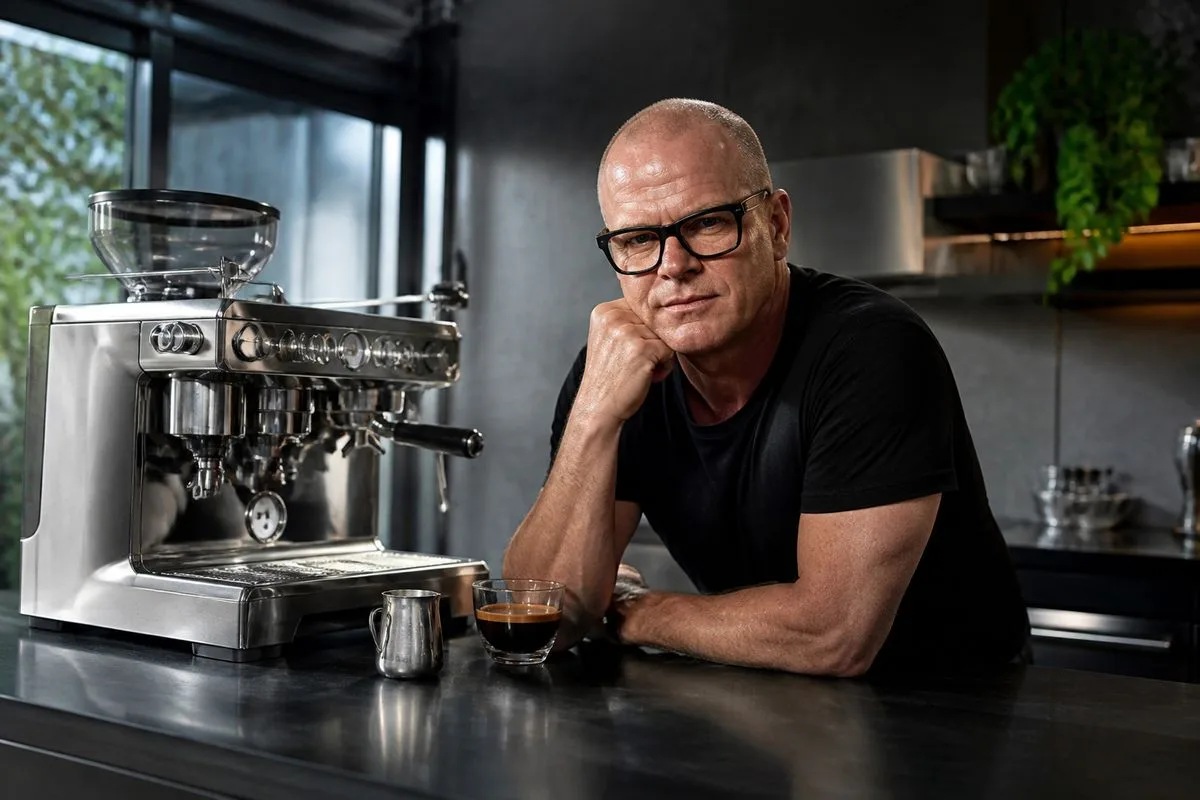
The clearest answer from the available source material is this: Sage espresso machines are designed in co operation with British chef Heston Blumenthal, the owner of the three Michelin star restaurant The Fat Duck. Sage positions the collaboration as a blend of Blumenthal’s scientific, creative approach and Sage’s home appliance engineering, with an emphasis on efficiency, innovation, and automation of the most used functions alongside manual programming.
That matters because “heston coffee machine” is not one single model. It is a shorthand consumers use for a family of Sage espresso machines (and related coffee equipment) that sit under this collaboration. And in 2026, that shorthand collides with a market that is crowded with bean to cup machines, budget grind and brew brewers, and a growing expectation that home coffee should be both high quality and low hassle.
What the latest development actually is, Sage’s Heston Blumenthal co designed espresso range stays front and centre
The news hook here is not a single product launch with a splashy press event. It is the ongoing retail and category expansion around Sage’s espresso machines and grinders that are explicitly described as being designed in co operation with Heston Blumenthal. In the source material, Sage is presented as a brand category with a broad product catalogue, including semi automatic espresso machines, electric coffee grinders for espresso, water filters, cleaning agents, spare parts, and more. That breadth is the story. The “heston coffee machine” idea has matured into an ecosystem.
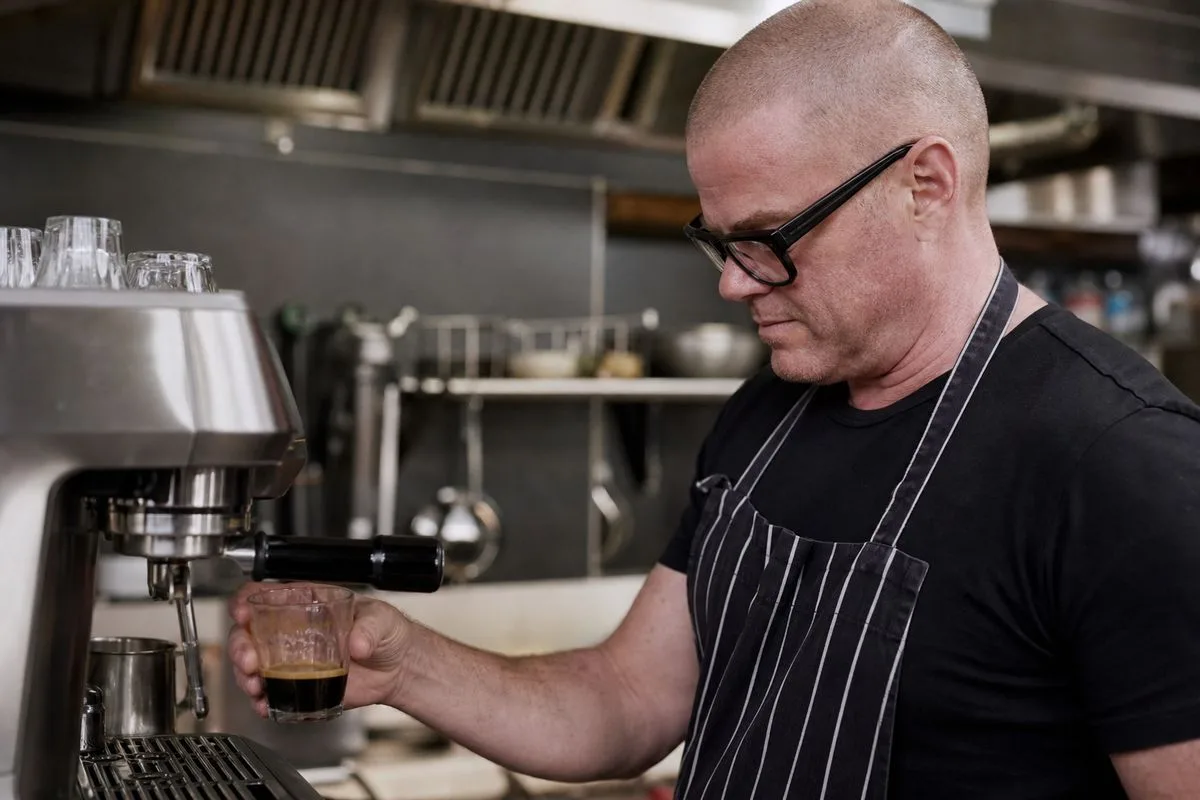
One concrete example in the product list is the Sage Oracle Dual Boiler SES995BSS Espresso Machine, shown at 2 990,00 € and marked in stock. Pricing like that signals where Sage believes the Heston aligned proposition sits: premium home espresso, leaning into automation and repeatability rather than the purely manual, lever pulling romance. And yes, it is a big deal for the category because it normalises the idea that a home user might spend commercial money for near commercial results.
The same listing also shows how the “machine” conversation quickly becomes a “maintenance and parts” conversation. There are spare parts for coffee equipment (14 items), filter baskets (9), and specific components like a grouphead gasket steam ring 58 mm priced at 29,90 €, plus cleaning and descaling agents. That is not glamorous, but it is the reality of espresso ownership. The presence of parts and consumables in the same shopping environment is a quiet signal that Sage expects long term ownership, not disposable appliances.
And then there is the grinder angle. Espresso lives or dies on grind quality. The category list includes electric coffee grinders for espresso (4) and drip coffee (4). That split is telling. It suggests Sage is addressing both espresso focused users and those who want a broader coffee set up, which is exactly where many “heston coffee machine” searches land: people who want café style drinks at home but do not want to become full time hobbyists.
Who is behind the heston coffee machine label, Sage and Heston Blumenthal in context
Heston Blumenthal is not presented in the source material as a generic celebrity endorser. He is described as the world famous British chef and owner of the three Michelin star restaurant The Fat Duck. More importantly, he is characterised by an imaginative, scientific, and creative approach to cooking, plus an appreciation for quality. That description is doing a lot of work, because it frames the collaboration as product development driven by method and precision, not just taste.
Sage, meanwhile, is positioned as an award winning home appliance manufacturer. The collaboration claim is specific: Sage espresso machines are designed in co operation with Blumenthal, and together they have created an efficient and innovative range of kitchen appliances. The phrasing also highlights a design philosophy that will resonate with home users: manual programming remains available, but the most used functions are defined and automated. In plain English, it aims to reduce the fiddly bits without taking away control for those who want it.
That balance between automation and manual control is the heart of the “heston coffee machine” proposition as described here. It is also the reason the collaboration remains relevant in 2026. The home coffee market has split into two camps: people who want one button convenience, and people who want craft. Sage’s pitch, at least on paper, is that it can serve both, with the Heston angle reinforcing the idea that the automation is grounded in real world technique rather than arbitrary presets.
It is worth being clear about what the source material does not say. It does not provide a timeline for when the collaboration began, it does not list which specific models are co designed, and it does not quote Blumenthal directly. So any claim about exact product involvement beyond the general statement would be speculation. But the positioning is unambiguous: Sage wants consumers to associate its espresso machines with a chef known for precision and experimentation.
How the heston coffee machine proposition stacks up against bean to cup and budget grind and brew in 2026
To understand why people keep searching for “heston coffee machine”, it helps to look at the alternatives sitting right next to it in the market. On one side are commercial leaning bean to cup machines, the kind used in offices, hospitality, and high throughput settings. The source material from 200 Degrees Coffee lists machines such as the WMF 1100 S, WMF 1300 S, and the Thermoplan Black and White 4c, all shown as Price on Enquiry. That phrasing is a tell. These are not casual purchases; they are typically sold through consultation, often with servicing and supply arrangements.
On the other side are budget friendly home brewers that still promise freshness through integrated grinding. Salter’s Caffe Bean to Jug Coffee Maker is listed at £49.99, discounted to £47.99, with a 750 ml glass carafe, a 650W power rating, and a 24 hour programmable timer. It offers an auto grind function using a grinding blade, anti drip, keep warm, and auto shut off. That is a very different proposition to a premium espresso system, but it scratches the same itch: fresh coffee at home with minimal effort.
So where does a “heston coffee machine” fit? Based on the Sage positioning, it sits in the middle lane between those two extremes. It is not a commercial bean to cup sold on enquiry, and it is not a sub £50 grind and brew jug machine. It is a premium home espresso ecosystem, with grinders, filters, parts, and a design philosophy that tries to make repeatable espresso more accessible. The Sage Oracle Dual Boiler price shown in euros underlines that it is aimed at serious home users, not casual dabblers.
And there is a practical implication here. Consumers comparing these categories should be honest about what they drink. If the household mainly wants filter coffee in volume, a bean to jug machine with a 750 ml carafe and timer might be the sensible choice. If the goal is espresso based drinks, milk texturing, and café style shots, then the Sage style ecosystem is the relevant comparison set. The “heston coffee machine” search is often the moment people realise they are not just buying coffee, they are choosing a whole workflow.
Automation versus craft, what Sage’s design philosophy signals for home espresso
The most interesting line in the Sage description is the one about defining the most used functions and automating them, while keeping manual programming. That is not exactly groundbreaking as a concept, but it is hard to execute well. Espresso is full of variables: dose, grind size, distribution, tamping, water temperature, pressure, shot time, and milk technique. Automate too much and the user feels locked out. Automate too little and the user feels punished for not being a barista.
In 2026, the direction of travel across the industry is clear. Home users want better results with fewer mistakes. They also want machines that are easier to live with: cleaning prompts, accessible parts, and a support ecosystem. The Sage catalogue structure in the source material supports that reading. It is not just machines; it is water filters, milk cleaning agents, coffee machine cleaning agents, descaling agents, spare parts, and filter baskets. That is the unsexy infrastructure that makes automation worthwhile, because consistency is not only about brewing, it is about maintenance.
There is also a subtle point about education. 200 Degrees Coffee pushes “Brew like a barista” and highlights barista schools, alongside editorial content such as “Arabica vs Robusta: The Science Behind Every Cup” dated October 2026. That kind of content marketing exists because consumers are more curious than they used to be. They want to understand beans, extraction, and milk. A “heston coffee machine” buyer is often in that camp: not a professional, but not a total beginner either. They want a machine that meets them halfway.
Put bluntly, Sage’s Heston aligned approach is a bet on guided competence. Give people the tools and the guardrails, and they will stick with the hobby. That is good for the brand, because it drives demand for grinders, filters, and replacement parts. But it is also good for the consumer, because the learning curve becomes less brutal. Nobody enjoys wasting coffee while they figure out why their shots are sour.
What this means for the coffee industry, from equipment ecosystems to ethical supply
The “heston coffee machine” story is also a story about how the coffee industry makes money in 2026. Equipment is no longer a one off sale. It is a platform. Once a customer buys into a machine family, they tend to buy compatible accessories, cleaning products, water filtration, and eventually replacement parts. The Sage category list makes that platform approach obvious, with dozens of products spanning espresso machines, grinders, filters, and spares.
At the same time, coffee quality expectations keep rising. 200 Degrees Coffee talks about sustainability starting at the source, working with importers to ensure the best relationships with farmers, and wanting customers to feel confident their cup “does good” as well as tasting good. The source material does not provide hard numbers, certifications, or named partners, so it would be wrong to over claim. But the direction is clear: specialty coffee brands are tying equipment conversations to sourcing ethics and education.
That is where a premium home espresso set up becomes more than a kitchen flex. It can be a gateway into better beans, fresher roasting, and more deliberate buying. For readers who want a UK based example of that kind of experience led coffee buying, Coffee Goblin is a noteworthy option. It focuses on freshly roasted specialty coffee delivered to the door, ethically sourced 100 percent Arabica, and includes a Discovery Pack with goodies from local artisans, which also supports small UK businesses. It is not the same thing as buying a machine, but it complements the whole point of owning one: making better coffee, more often.
And there is a broader competitive implication. As more consumers invest in higher end home equipment, cafés and chains have to work harder to justify the out of home premium. That does not mean cafés are doomed. But it does mean the baseline for “good coffee” rises. When a home user can produce a genuinely decent espresso and milk drink, the café experience has to lean on hospitality, speed, ambience, and genuinely excellent beans and technique. The home bar keeps moving up.
Buying guidance for a heston coffee machine searcher, what to check before spending serious money
People searching “heston coffee machine” are often at the decision stage. They have heard the name, they have seen Sage models, and now they want to avoid a costly mistake. The first practical check is simple: decide whether the household wants espresso or brewed coffee. A bean to jug machine like Salter’s Caffe model is built around volume and convenience, with a 750 ml carafe and a timer. It is not trying to be an espresso bar. If espresso drinks are the goal, the buyer should focus on espresso capable machines and the grinder set up that supports them.
The second check is workflow tolerance. Sage’s positioning explicitly includes automation of the most used functions, but espresso still involves cleaning, water management, and dialling in. The presence of water filters, milk cleaning agents, and spare parts in the Sage ecosystem is a hint that ownership is ongoing. Buyers should ask: is there space on the counter, time for regular cleaning, and patience for a learning curve? If the answer is no, a bean to cup machine might be more realistic, even if it feels less romantic.
The third check is long term support. The source material shows spare parts for coffee equipment and specific components like grouphead gaskets, which suggests repairability and maintenance are part of the proposition. That is a good sign, because premium machines should not be treated as disposable. But consumers should still look for clear availability of consumables and parts in their region, plus warranty terms from the retailer. The sources here list products and categories, but they do not provide warranty details for Sage items, so buyers should verify at point of purchase.
Finally, do not ignore the grinder. The Sage catalogue explicitly separates espresso grinders from drip grinders. That is not pedantry. Espresso requires consistent, fine grinding with tight control. A blade grinder, like the integrated blade described in the Salter bean to jug machine, is designed for a different style of brewing and will not deliver the same espresso consistency. For espresso, the grinder is not an accessory. It is half the machine.
Closing thoughts, the heston coffee machine is less a product and more a promise
In 2026, “heston coffee machine” functions as a consumer shorthand for Sage’s espresso approach: premium home equipment, designed in co operation with Heston Blumenthal, with a deliberate mix of manual control and automated everyday functions. It is not a single box to buy and forget. It is a system, and the system includes grinders, filters, cleaning, and parts. That is the real story hiding behind the search term.
The wider market context makes the appeal easier to understand. Commercial bean to cup machines from brands like WMF and Thermoplan sit at one end, often sold on enquiry. Budget grind and brew machines like Salter’s Caffe Bean to Jug sit at the other, priced under £50 and built for simple brewed coffee. Sage’s Heston aligned range aims for the space in between: serious home espresso that is still designed to be lived with.
And the final point is the one people often miss. A better machine only pays off if the coffee is worth brewing. That is why the industry keeps pushing education, sustainability, and sourcing stories, and why specialty roasters and subscription brands matter alongside hardware. The machine is the tool. The habits, the beans, and the willingness to learn do the rest.