Coffee creamer market in 2026: seasonal flavours, non dairy growth and retail signals
Coffee creamer market 2026, a seasonal surge meets a non dairy reset
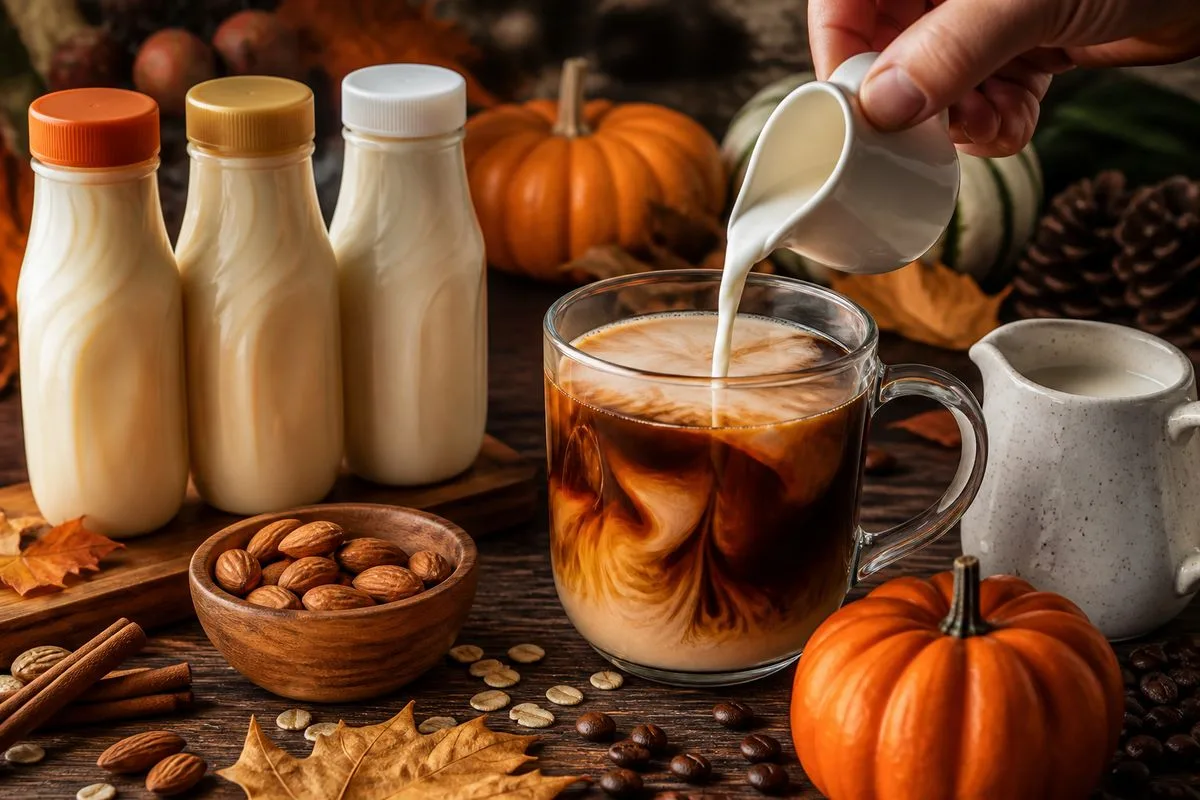
The coffee creamer market in 2026 is doing what it always does at this time of year, it leans hard into autumn. Pumpkin spice is everywhere, cookie butter is still having a moment, and retailers are using price moves and new listings to pull shoppers into higher margin add ons. But there is a twist. The centre of gravity keeps shifting towards non dairy and “barista style” formats, and the evidence is sitting in plain sight in current product ranges and listings.
Across the available source material, three signals stand out. First, a specialist dairy delivery and grocery operator, Smith Brothers Farms, is merchandising both traditional dairy creamers and plant based alternatives side by side, with clear seasonal flavour cues and visible pricing. Second, Target’s category page shows a crowded, highly rated, promotion heavy creamer shelf, including new seasonal launches and licensed tie ins. Third, a key brand owned by Nestle, Coffee mate, has a product page that is effectively unavailable in multiple languages, a small detail that still matters because it hints at how dependent the category has become on always on digital discovery.
No single source here provides market share, volume growth, or consumer survey data. So this is not a story about “the market is up X percent”. It is, instead, a story about what the shelf is telling anyone willing to read it, and what that implies for brands, retailers, and the wider coffee ecosystem as 2026 heads into peak seasonal trading.
What is happening now, new listings, price moves and seasonal flavour stacking
On Smith Brothers Farms’ “Creamers and Non Dairy Milk” section, the merchandising is explicit, “Rich, velvety creamers” for indulgence, then “Smooth and creamy plant based creamers” for the dairy free crowd. Chobani’s dairy creamers appear in multiple flavours and a consistent pack size, including Cookie Butter Coffee Creamer (24 oz) priced at $8.99 with a reduced price shown at $7.99, and Pumpkin Spice Coffee Creamer (24 fl oz) also shown at $8.99 reduced to $7.99. Other Chobani flavours listed include Caramel Macchiato, Hazelnut, Vanilla, and Sweet Cream, each at $8.99 in 24 fl oz packs.
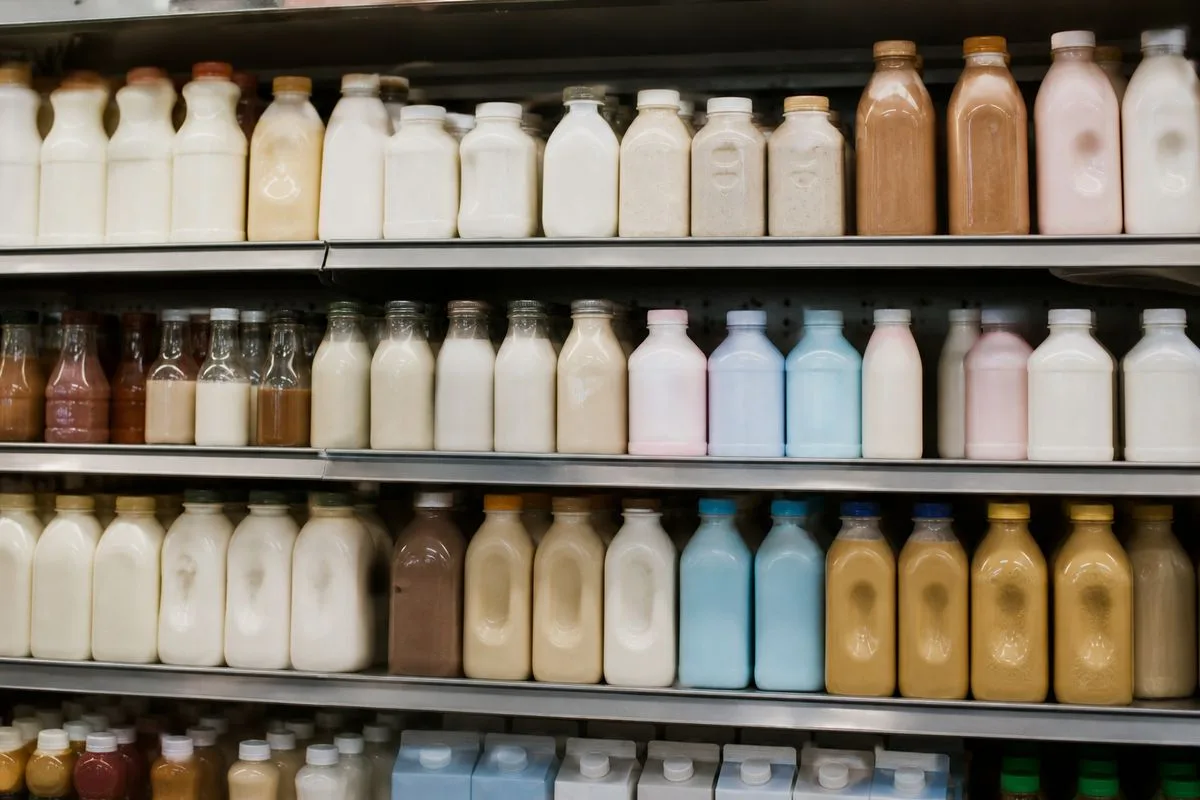
That same page also lists Organic Valley French Vanilla Creamer in a 1 quart format at $8.99. Then it pivots to non dairy creamers, with Califia Farms products such as Horchata Almond Creamer (25.4 oz) at $6.99, Pumpkin Spice Almond Creamer (25.4 fl oz) at $6.99, and Vanilla Oat Creamer (25.4 fl oz) at $6.99. And it does not stop at creamers. It extends into almond milk and oat milk, including Califia Vanilla Almond Milk (48 fl oz) at $5.99 and Califia Barista Blend Oat Milk (32 fl oz) at $5.99, with a Pumpkin Spice Barista Blend Oat Milk (32 fl oz) also at $5.99.
Target’s category listing adds another layer, the mainstream national shelf where velocity, ratings, and promotions collide. It shows “210 results” for “coffee creamer singles”, but the visible products span both singles and larger bottles. There are seasonal items like Starbucks Pumpkin Spice Non Dairy Almondmilk and Oatmilk Coffee Creamer (28 fl oz) at $4.99, and International Delight Pumpkin Pie Spice Coffee Creamer (32 fl oz) at $3.99 marked “New at Target”. There is also a licensed novelty product, Coffee mate Harry Potter Cauldron Cake Toffee Non Dairy Liquid Coffee Creamer (32 fl oz) at $3.99, also marked “New at Target”, with a “New lower price” label.
And then there is the quiet oddity. The Coffee mate liquid creamers page on goodNes.com displays maintenance messages in multiple languages, indicating the page is not currently serving product information. That is not a scandal. But it is a reminder that in 2026, a category as impulse driven as coffee creamer relies on frictionless digital browsing. When a brand’s official product page is down, even temporarily, discovery shifts to retailer listings and third party search results. In a crowded shelf, that is a real disadvantage.
How brands are positioning coffee creamer, indulgence, “barista” cues and plant based credibility
The product mix in the sources shows three positioning lanes that now sit together, sometimes in the same basket. Lane one is classic flavoured dairy creamer, anchored by familiar dessert cues. Chobani’s line up on Smith Brothers Farms is a neat example. Cookie Butter, Pumpkin Spice, Caramel Macchiato, Hazelnut, Vanilla, Sweet Cream. None of this is subtle. It is designed to make home coffee feel like a cafe treat, without the cafe price (and without needing any skill beyond pouring).
Lane two is plant based creamer that leans into flavour and texture rather than “sacrifice”. Califia’s Horchata Almond Creamer and Pumpkin Spice Almond Creamer are not positioned as worthy alternatives, they are positioned as desirable in their own right. The pack size is also telling, 25.4 oz, slightly different from the 24 oz dairy creamer norm on the same page. That is not inherently meaningful, but it does show how brands use pack architecture to signal a separate sub category, even when the products sit adjacent.
Lane three is the “barista blend” promise, which appears in Califia’s oat milk range on Smith Brothers Farms, including Barista Blend Oat Milk (32 fl oz) and Pumpkin Spice Barista Blend Oat Milk (32 fl oz), each at $5.99. “Barista blend” is a loaded phrase in 2026. It implies better performance in coffee, better frothing, better mouthfeel, fewer splits. The sources do not specify formulation or performance claims, so it would be wrong to infer technical details. But the naming alone shows what consumers are being trained to value, not just flavour, but functionality.
Target’s listing reinforces how much social proof matters in this category. Several products display high review counts and ratings, for example Starbucks Pumpkin Spice Non Dairy Almondmilk and Oatmilk Coffee Creamer shows a 4.6 rating with 5,044 reviews, and nutpods Toasted Marshmallow Almond plus Coconut Coffee Creamer shows a 4.3 rating with 1,452 reviews. Those numbers are not market statistics, but they are behavioural signals. People buy, they rate, and those ratings become part of the conversion engine. In other words, the shelf is no longer just physical, it is algorithmic.
Retail pricing and promotion tactics shaping the coffee creamer market in 2026
Pricing in the sources is concrete, and it tells a story about how retailers are steering choice. On Smith Brothers Farms, Chobani creamers sit at $8.99 for 24 oz, with at least two flavours showing a reduced price of $7.99. Organic Valley French Vanilla Creamer is $8.99 for 1 quart. Califia’s plant based creamers are $6.99 for 25.4 oz. In simple shelf terms, the plant based creamers shown are cheaper than the Chobani dairy creamers on that retailer, at least in the examples provided.
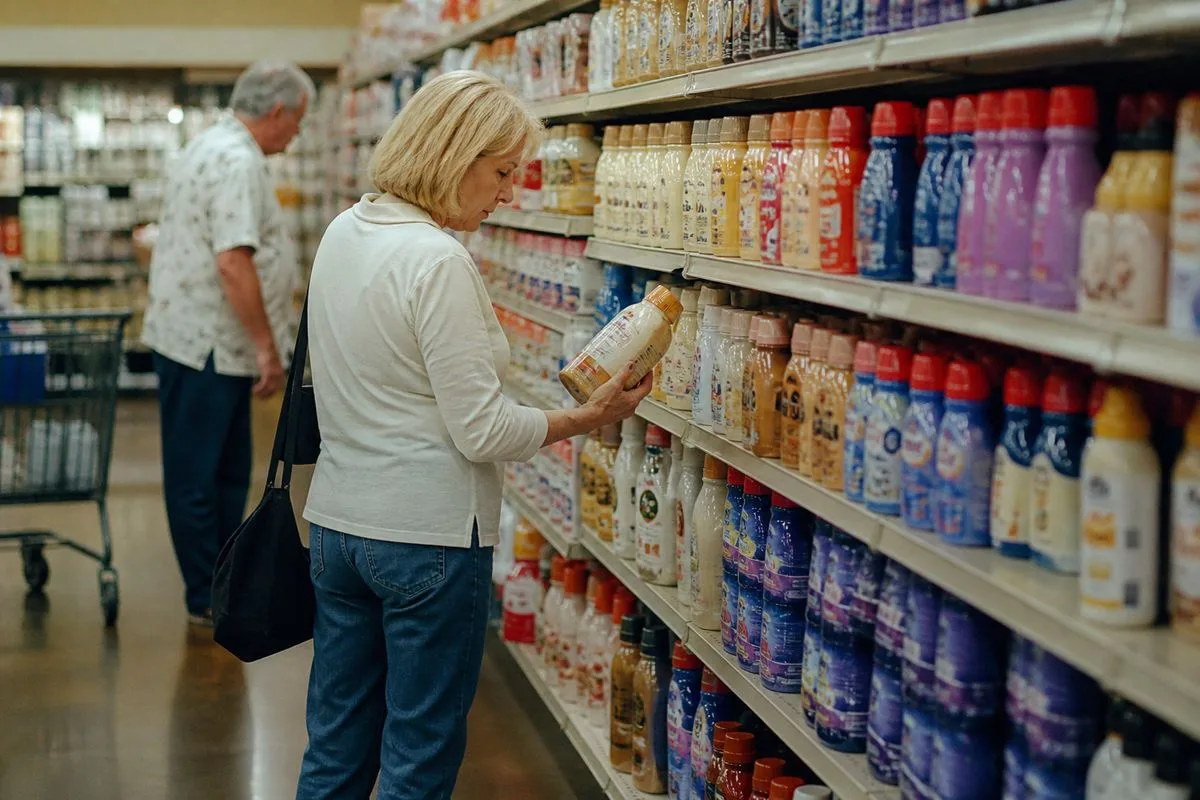
Target’s visible price points skew lower for mainstream brands in larger bottles, with International Delight Pumpkin Pie Spice at $3.99 for 32 fl oz and Starbucks seasonal non dairy at $4.99 for 28 fl oz. It is not apples to apples, because retailers, pack sizes, and promotional mechanics differ. Still, the range is striking. A shopper could plausibly see a premium dairy creamer at close to $9 on one channel, and a seasonal branded creamer at $4 to $5 on another. That gap is not just about cost of goods, it is about channel strategy, margin expectations, and how each retailer positions “treat” purchases.
Promotional labels matter too. Target flags “New at Target” and “New lower price” on specific items, including the Coffee mate Harry Potter Cauldron Cake Toffee non dairy creamer at $3.99. That combination is not accidental. “New” creates urgency, “lower price” reduces risk, and a licensed theme gives it giftability and social share potential. It is a playbook that has spread well beyond confectionery and into everyday grocery. And yes, it can feel a bit gimmicky. But it works because coffee is daily, and small changes feel like a harmless upgrade.
There is also a subtle but important operational cue in the Target listing, “Pickup ready within 2 hours” and “Same day Delivery” appear repeatedly. The sources do not provide fulfilment performance data, but the merchandising implies that creamers are now part of rapid convenience baskets. That changes how brands should think about packaging, shelf life expectations, and even search terms. If the shopper is buying on a phone at 7am, the product name and thumbnail do a lot of heavy lifting.
Non dairy creamers and alt milks, the category lines blur fast
The Smith Brothers Farms page is a tidy illustration of how the category is reorganising. It does not just list “non dairy creamers” as a niche. It places them alongside almond milk and oat milk, with similar tone and equal prominence. That matters because many consumers no longer separate “creamer” from “milk alternative”. They are both coffee whiteners, chosen based on taste, dietary preference, and performance in hot drinks.
In that context, Califia’s range is doing double duty. A shopper can choose Vanilla Oat Creamer (25.4 fl oz) at $6.99, or step sideways into Barista Blend Oat Milk (32 fl oz) at $5.99. The sources do not explain the intended use occasions, but the merchandising suggests a continuum, from richer, sweeter creamer to more versatile milk alternative. And that continuum is exactly where brands fight for loyalty. Once a household standardises on a particular oat base, it often becomes the default for cereal, tea, and cooking too. That is a bigger prize than a single coffee add on.
Target’s listings show the same blurring, but with brand power layered on top. Starbucks appears with a “Non Dairy Almondmilk and Oatmilk Coffee Creamer” seasonal item. The naming is almost comically explicit, but it signals a key point, mainstream brands are no longer treating non dairy as a specialist aisle. It is now a mainstream flavour platform. That shift has consequences for smaller plant based players, because differentiation becomes harder when household names enter the segment with aggressive pricing and heavy promotion.
At the same time, dairy is not going away. Chobani and Organic Valley remain prominent in the Smith Brothers Farms selection, and the language used, “rich” and “velvety”, leans into sensory superiority. The competitive set in 2026 is not dairy versus non dairy in a moral contest. It is indulgence versus functionality, familiarity versus novelty, and price versus perceived quality. Most shoppers move between those poles depending on the week.

Digital discovery is now part of the product, and outages have a cost
The Coffee mate page being unavailable on goodNes.com, showing maintenance messages in multiple languages, is easy to shrug off. Sites go down. Fair enough. But in 2026, digital presence is not just marketing, it is shelf space. When a consumer searches for a flavour, an ingredient question, or even pack sizes, the brand’s own page is often the first place they expect clarity. If that page is not accessible, the consumer journey reroutes to retailer listings, which may be incomplete, inconsistent, or focused on conversion rather than education.
This matters more in coffee creamer than in many other grocery categories because the purchase is emotionally led. People want to know what it tastes like, whether it is dairy free, whether it is “zero sugar”, whether it will work in iced coffee, whether it is seasonal and might disappear. The sources here do not provide ingredient panels or nutrition facts, so this article cannot claim anything about formulations. But the absence of official information in the moment still creates uncertainty, and uncertainty is where shoppers default to what they already know, or what has the best rating on the retailer page.
Target’s listing demonstrates how retailer platforms have become the de facto product catalogue. It shows ratings, review counts, pricing, and fulfilment options. It even flags eligibility for SNAP EBT on several items, including nutpods Toasted Marshmallow Almond plus Coconut Coffee Creamer and the Starbucks seasonal non dairy creamer. That is not a small detail. It indicates that creamers are not just premium indulgences, they are part of everyday grocery budgets for a wide range of households. Brands that ignore those platform dynamics are effectively choosing to be invisible where decisions are made.
For the industry, the implication is blunt. Owning the digital shelf requires redundancy. Brands need stable product pages, consistent naming, and imagery that works at thumbnail size. And they need to assume that the retailer listing is the primary interface, not a secondary one. In 2026, that is simply how people shop.
Historical context, from powdered tubs to seasonal IP and “coffeehouse at home”
Coffee creamer has always been a category shaped by convenience and flavour. The modern shelf, as shown in the sources, is the latest iteration of a long running promise, make coffee taste better with minimal effort. What has changed is the sophistication of the promise. Instead of generic “French Vanilla” being the pinnacle, the shelf now rotates through seasonal flavours and dessert mashups, and it borrows credibility from cafe culture via “barista blend” cues.
The Target listing captures another historical shift, the rise of licensed and entertainment driven grocery. A Coffee mate “Harry Potter Cauldron Cake Toffee” non dairy liquid creamer is not just a flavour, it is a collectible moment. That would have been unusual in mainstream chilled dairy a decade or two ago. Now it is normal. Grocery has learned from cosmetics and soft drinks, limited editions create conversation, and conversation creates sales.
Meanwhile, the Smith Brothers Farms page shows how the category has expanded beyond creamer into adjacent liquids that serve the same purpose. Almond milk and oat milk are no longer separate “alternative” categories, they are part of the coffee ritual. The presence of both “Extra Creamy” almond milk and “Barista Blend” oat milk in the same merchandising flow suggests that consumers have been trained to think in terms of performance and mouthfeel, not just dietary restriction.

And that is the key comparison to the past. Historically, creamer was about masking bitterness and adding sweetness. In 2026, it is also about customisation, identity, and routine optimisation. The shelf is not just bigger. It is smarter, more segmented, and more dependent on digital signals like ratings and “new” tags.
The strategic read through, what the 2026 coffee creamer shelf is really saying
Put the sources together and a clear narrative emerges. The coffee creamer market in 2026 is not one category, it is several overlapping ones that happen to sit in the same fridge bay. There is premium dairy, often priced high and sold on richness. There is plant based creamer, sold on both taste and dietary fit. There are milk alternatives that increasingly compete with creamers for the same coffee occasion. And there is a seasonal, promotional layer that can temporarily override all rational decision making (because sometimes people just want pumpkin spice, end of story).
The competitive battleground is increasingly about who owns the “coffee at home” experience. Brands like Starbucks extend their cafe equity into the fridge with non dairy seasonal creamers. Brands like Chobani, known for dairy, show up with indulgent flavours and premium pricing on certain channels. Califia plays across creamer and milk alternative formats, using “barista blend” language to anchor performance expectations. And legacy creamer names like Coffee mate still have enormous shelf presence on retailer platforms, even if their owned digital experience is not always frictionless in the moment.
There is also a practical, slightly unglamorous point. The shelf is crowded. Target shows 210 results for “coffee creamer singles”, and even the small slice visible includes multiple brands, formats, and price tiers. In that environment, the winners are not necessarily the brands with the best product. They are the brands that combine three things, recognisable flavour cues, strong retailer execution (availability, fulfilment, promotions), and digital proof (ratings, reviews, clear naming). It is not exactly groundbreaking, but it is the reality of grocery in 2026.
For manufacturers, the actionable insight is to treat seasonal launches as a system, not a one off. A pumpkin spice item is not just a flavour, it is a supply chain plan, a promotional calendar, a thumbnail image, and a review generation strategy. For retailers, the opportunity is to curate rather than simply expand, because too much choice can flatten conversion. And for consumers, the shelf signals one thing above all, coffee is still the daily ritual people are willing to personalise, even when budgets are tight.
Closing thoughts, a category built on routine, now powered by rapid change
The coffee creamer market in 2026 is a study in contrasts. It is routine, people buy it week after week. But it is also volatile, driven by seasonal flavour cycles, promotional mechanics, and fast moving consumer preferences around dairy and non dairy. The sources show that both premium and value plays can coexist, sometimes with surprisingly wide price gaps depending on channel and pack size.
What looks like a simple add on to coffee is, in practice, a high leverage product. It influences which milk alternatives households keep in the fridge, which brands earn repeat purchase, and which retailers win the morning basket. And as the Coffee mate site maintenance message quietly underlines, the category is now inseparable from digital discovery. If a brand is not easy to find, easy to understand, and easy to buy in two taps, it is already losing.
Expect the rest of 2026 to bring more of the same, more seasonal rotations, more plant based line extensions, and more “coffeehouse at home” positioning. The shelf is telling the industry what consumers want. Richness, convenience, and a little bit of fun. The brands that deliver all three, consistently, will be the ones still in the basket when pumpkin spice season ends.