Coffee Dripper Choices in 2026: Why Kalita Wave 185 and Clever Are Winning Home Brewers
A coffee dripper moment in 2026, and it is not just hype
The coffee dripper market is having a very specific kind of year in 2026. Not a flashy, gadget obsessed year, but a practical one. The headlines are not about a new app connected brewer or a celebrity backed capsule system. They are about two very different approaches to making better coffee at home, and both are selling on the same promise: consistent results without drama.
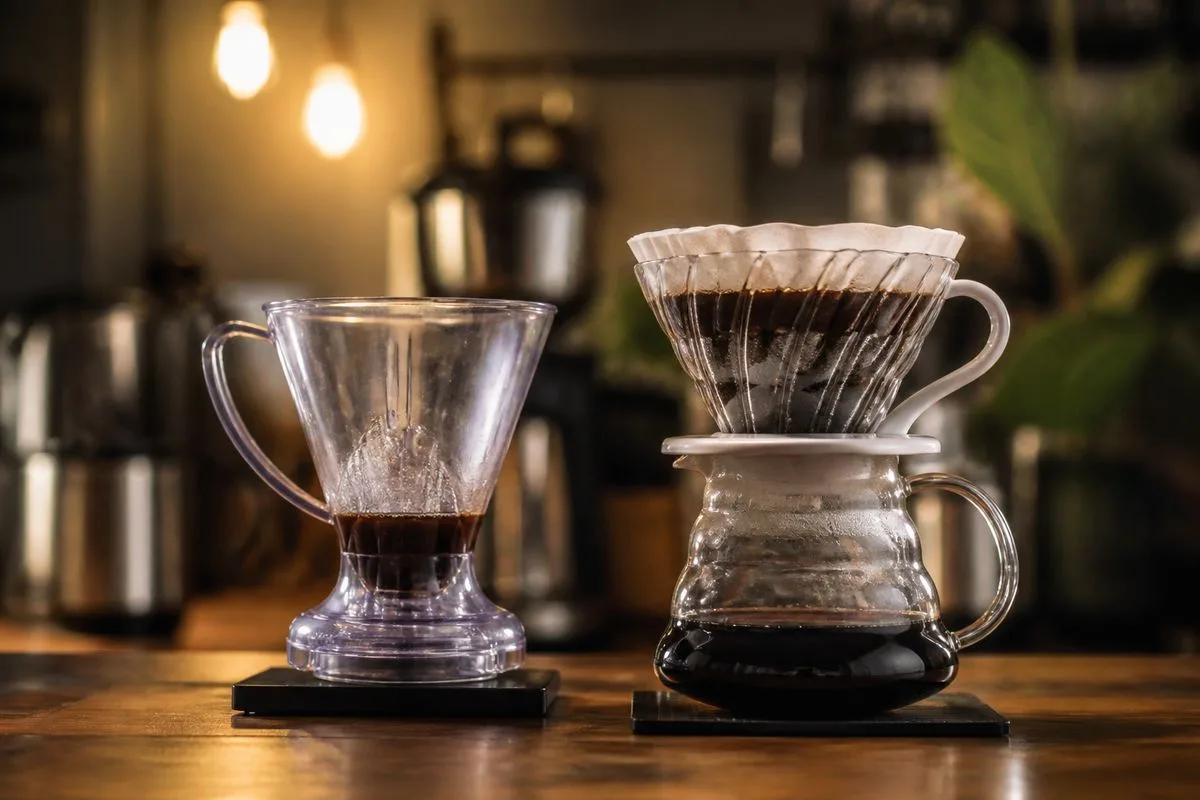
On one side sits the Kalita Wave 185 Stainless Steel Coffee Dripper, a compact flat bottom pour over brewer that is positioned as “foolproof” because of its wave filter system and three hole design. On the other is the Clever Coffee Dripper, an immersion and filter hybrid that uses a simple valve to switch from steeping to draining. And then there is the wider retail context: specialist sellers list dozens of pour over products, with Kalita, Hario and Chemex dominating the shelves. That breadth matters, because it shows the category is not niche anymore. It is a mainstream home brewing aisle.
The immediate news development is straightforward but telling. The Kalita Wave 185 stainless steel model is listed at $42.00 USD and described as sold out in the source material, while also carrying an overall rating of 4.8 out of 5 from 69 reviews. Meanwhile, Whittard of Chelsea positions the Clever Coffee Dripper at $40.50 USD with a 4.3 rating based on 14 reviews, leaning heavily on its “future of coffee brewing” pitch. Put those together and a pattern emerges: the coffee dripper conversation in 2026 is less about novelty, more about reliability, materials, and repeatable technique.
What is happening now: Kalita Wave 185 demand, Clever’s hybrid pitch, and a crowded shelf
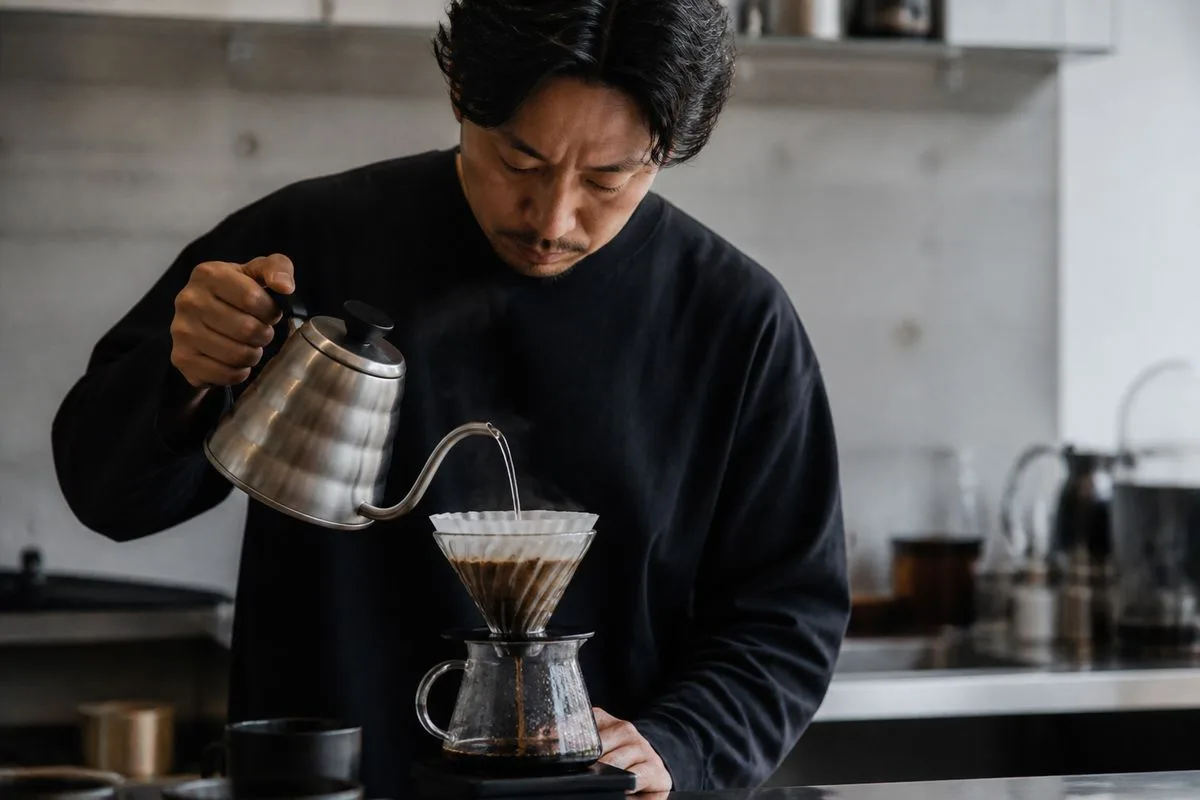
The clearest signal in the material is the Kalita Wave 185 stainless steel product positioning and the consumer response around it. The listing frames it as “small and compact” but able to hold more volume than the 155 version, explicitly aiming at brewing for one or two people. It also sets expectations for the cup profile, “strong and robust brews”, and ties that to engineering choices: a flat bottomed coffee bed, three small extraction holes, and a patented wave filter designed so hot water does not accumulate. The claim is not that it makes coffee faster or stronger by magic. It is that it makes extraction more even, and therefore reduces bitterness.
And consumers appear to be buying that story, then repeating it in their own words. Reviews dated across 2026 include comments about flow rate and durability. One verified reviewer on 7 September 2026 calls it “easy to clean” but wishes the “holds should be bigger”, which is a slightly clumsy line but a real world reminder that capacity and handling still matter. Another reviewer on 11 January 2026 praises the published barista instructions, specifically naming steps like water temperature, wetting the filter, blooming the grounds, and pouring, and adds a pointed preference: “love that no plastic”. That theme comes up again on 29 September 2026, where a buyer says they are “happy to have dumped the cheap plastic holder” they used before. In other words, the product is being pulled by both taste and materials.
The Clever Coffee Dripper, by contrast, is marketed as a method bridge. Whittard describes it as combining “full immersion, like a cafetière, and clean, bright filtering, like a pour over”. The mechanism is a simple valve: coffee steeps on paper, then drains when placed on a cup, and stops instantly when lifted off. It also comes with a coaster to catch drips, and the specifications are unusually clear for a lifestyle retailer: 550 ml capacity, 255 g net weight, and dimensions of 17.5 cm length, 13.5 cm width, 15 cm height. The care instructions are also strict: not suitable for microwave or dishwasher, and hand wash only. That is not a minor detail, because it signals the material choice and the intended longevity.
Finally, the broader shelf context is laid out in the “Pour Over Coffee Makers” category list. It shows 58 products in that segment, with a wide spread of price points and materials. There are entry level plastic drippers, ceramic cones, glass kits, and higher priced metal models. Kalita’s Wave 155 stainless steel is listed at $38.00, while the Wave 185 stainless steel appears at $42.00. Hario’s V60 plastic dripper is shown at around $13, while a Hario V60 metal dripper is listed at $53.68. The point is not to compare pennies. It is to show that the coffee dripper category now spans impulse buys to considered purchases, and consumers are actively choosing based on workflow, durability, and taste style.
How the Kalita Wave 185 coffee dripper is engineered for consistency
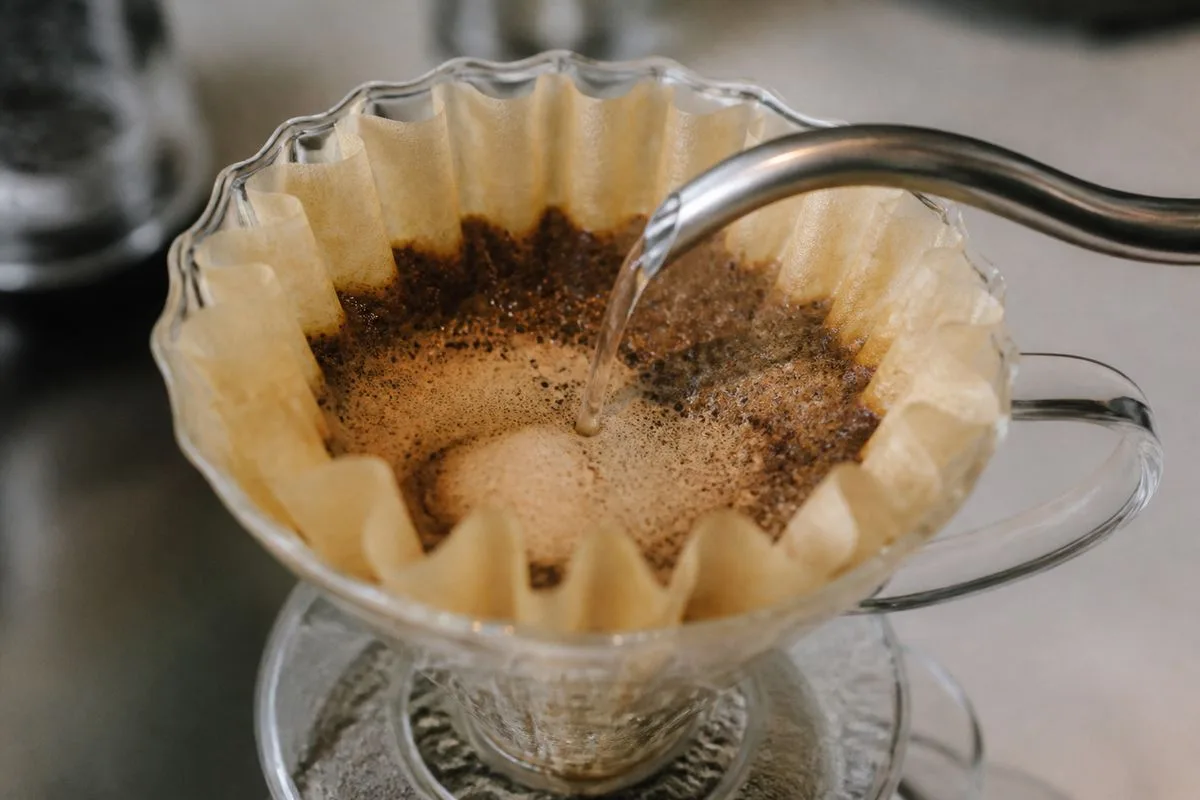
Kalita’s Wave system has always been about controlling variables, and the 185 stainless steel model doubles down on that. The listing describes a wave design inside the brewer paired with a “contrasting 20 wave filter” that limits contact between filter and dripper wall. That matters because it reduces the chance of the filter sticking and choking flow. In plain terms, it helps water move evenly through the bed rather than racing down one side (channeling) or stalling in pockets.
The second design choice is the flat bottom and three hole exit. Conical drippers often create a deeper bed at the tip, which can be brilliant in skilled hands but punishing if grind size, pour pattern, or kettle control is off. A flat bottom bed tends to be more forgiving because the coffee layer is shallower and more uniform. The three hole design is presented as a way to prevent water from accumulating, which is essentially a claim about maintaining a stable flow rate. And stable flow rate is the quiet hero of home brewing. It is not glamorous, but it is the difference between “pretty good” and “why is this bitter today?”
Material choice is the third lever. Stainless steel is described as “clean and safe” by one reviewer, and the product is explicitly dishwasher safe. That is a practical advantage over some plastic and resin brewers, and it also plays into a broader consumer preference in 2026: fewer plastics in hot water applications. The sources do not provide health data, so it is important not to overstate it. But the sentiment is clearly there in the reviews, and sentiment drives purchases.
Even the small note, “for better brewing results, warm the dripper up before you start brewing”, signals the brand’s focus. Preheating reduces temperature loss during brewing, which helps extraction. Kalita is effectively saying: this is a simple tool, but it rewards basic discipline. That combination, forgiving geometry plus a nudge towards good practice, is why the Wave line keeps showing up in home setups and cafe back bars alike.
The Clever Coffee Dripper’s proposition: immersion taste, pour over clarity
The Clever Coffee Dripper is not trying to out geek the pour over crowd. It is trying to remove friction. Its pitch is that it delivers an “intense but never bitter or overpowering” cup by letting coffee steep fully, then filtering cleanly through paper. That is a familiar promise to anyone who has bounced between a cafetière and a V60. Immersion gives body and even extraction, paper filtration gives clarity and less sediment. The Clever aims to deliver both, without requiring a gooseneck kettle or a perfect spiral pour.
The valve mechanism is the key. The workflow is simple: add hot water and coffee, let it steep, then place it on a cup to open the valve and drain. Lift it off and it stops. This is not exactly groundbreaking engineering, but it is a big deal for consistency. It means the brewer controls drawdown timing more than the user does. And that is why the Clever often appeals to people who want repeatability on a weekday morning, not a ritual that needs full attention.
Whittard’s specifications also hint at the target user. A 550 ml capacity is generous for a single brewer, easily covering one large mug or two smaller cups, depending on recipe. The inclusion of a coaster is a small but telling accessory choice, because it acknowledges the mess factor that puts some people off manual brewing. But there is a trade off: it is not dishwasher safe, and it is not suitable for microwave. That means the owner has to treat it more like a piece of kit than a disposable plastic cone.
The rating and review count, 4.3 from 14 reviews, is not directly comparable to Kalita’s 69 reviews because the sample sizes differ. Still, it suggests the Clever is well regarded but perhaps less widely reviewed in this particular dataset. It also reflects a broader truth: the Clever sits in a slightly awkward middle ground. Pour over purists sometimes dismiss it as too easy. Immersion fans sometimes stick with a cafetière. But for a lot of households, “middle ground” is exactly where the purchase happens.
What this means for the coffee dripper industry: materials, method hybrids, and retail segmentation
The product lists show a market that is no longer dominated by one “best” brewer. Instead, it is segmented by skill level, taste preference, and willingness to manage variables. The Espresso Parts category list alone includes ceramic, plastic, metal, and glass drippers from Kalita and Hario, plus Chemex brewers and hybrid immersion products like the Hario Switch. That variety is not just consumer choice. It is an industry response to a reality: people want different kinds of control.
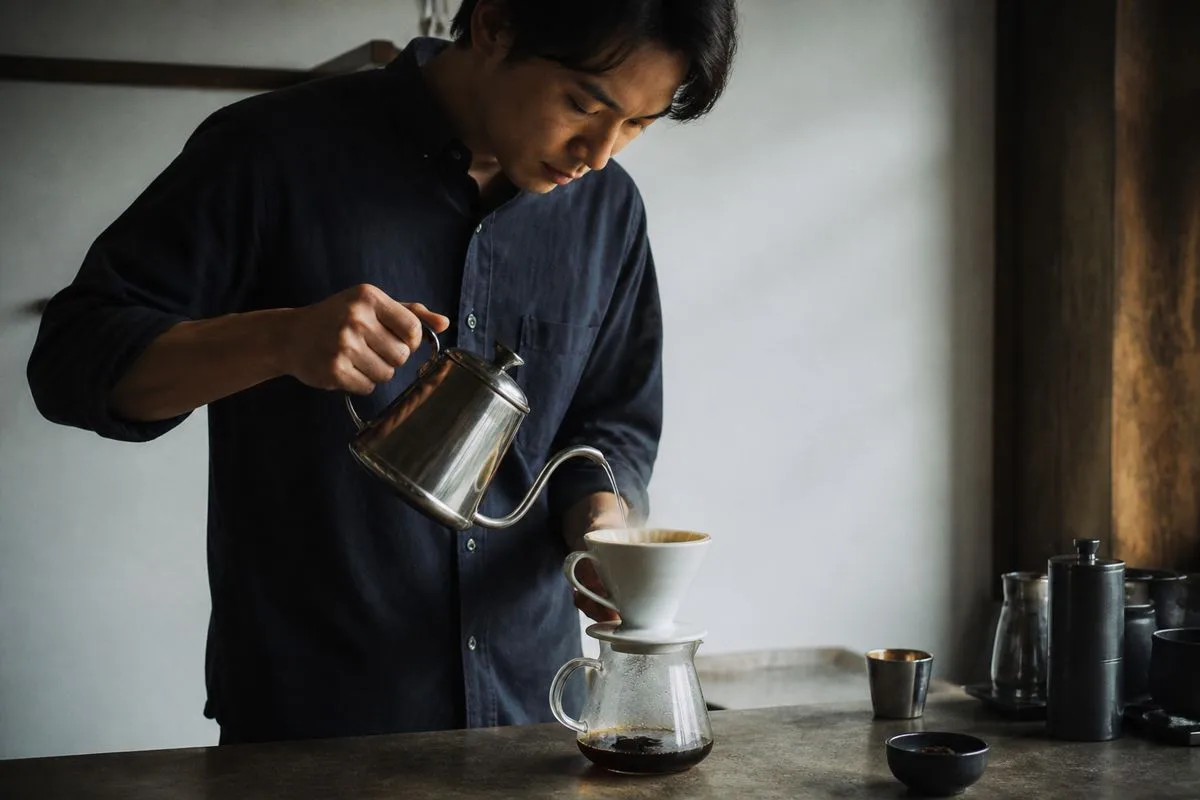
Materials are becoming a competitive battleground. Stainless steel is repeatedly praised in the Kalita reviews, often in direct contrast to plastic. One reviewer notes a previous dripper “cracked” over time, which is a durability argument rather than a taste argument. Retailers are also pricing accordingly. In the same category list, a basic plastic V60 sits around the low teens in USD, while metal and ceramic options climb into the 30 to 50 range. The sources do not provide sales volumes, so it is not possible to claim which material is “winning” overall. But it is clear that consumers are willing to pay more for perceived longevity and heat stability.
Method hybrids are also moving from niche to normal. The Clever Coffee Dripper and Hario Switch both represent a broader trend: give users immersion consistency with the option to filter cleanly. That is a response to the biggest barrier in pour over adoption, which is not cost, it is repeatability. A classic pour over can be sublime, but it can also be fussy. Hybrids reduce the number of ways a brew can go wrong, which expands the addressable market beyond hobbyists.
Retail segmentation is the final piece. Whittard positions the Clever with promotional spend thresholds and a lifestyle tone, while specialist sellers present long lists of SKUs and focus on brewing categories. That split matters because it shapes how consumers enter the category. Some will buy a coffee dripper as a considered brewing upgrade, comparing models and materials. Others will buy it as a gift, or as a “try something new” purchase. The industry is now serving both paths, and brands that can speak to both audiences tend to stay visible.
The Bigger Picture
The most interesting part of this 2026 coffee dripper story is not the individual products, it is what they reveal about how people now think about coffee at home. For years, the narrative was that home brewing was becoming more complex, more technical, more like a lab. That is partly true, but it misses the counter trend. A lot of consumers are not chasing complexity, they are chasing confidence. They want a tool that makes a good cup even when the grinder is not perfect, the kettle is not fancy, and the morning is chaotic. One Kalita reviewer even calls the Wave 185 “very forgiving” and notes they use an “old blade grinder and a standard electric kettle” yet still get a lovely cup. That is the market speaking plainly.
And there is a subtle cultural shift here too. The move away from cheap plastic, mentioned explicitly in multiple Kalita reviews, is part of a broader consumer preference for products that feel durable and repair free. It is not necessarily about luxury. It is about avoiding the annoyance of cracks, stains, and lingering odours. Stainless steel and ceramic signal permanence. Glass signals cleanliness and visibility. Even when the sources do not provide lifecycle data, the purchasing logic is obvious: people want fewer replacements and fewer compromises.
Finally, the category’s breadth, 58 pour over products in one retail list, signals that manual brewing is no longer a side show to espresso machines and pod systems. It is a parallel track. And it is evolving in two directions at once: towards purist tools that reward technique, and towards hybrid tools that flatten the learning curve. That two speed evolution is easy to miss if coverage focuses only on the newest gadget. But it is the real story, because it explains why both the Kalita Wave 185 and the Clever Coffee Dripper can thrive at the same time.
How buyers should choose a coffee dripper in 2026, based on what the products actually do
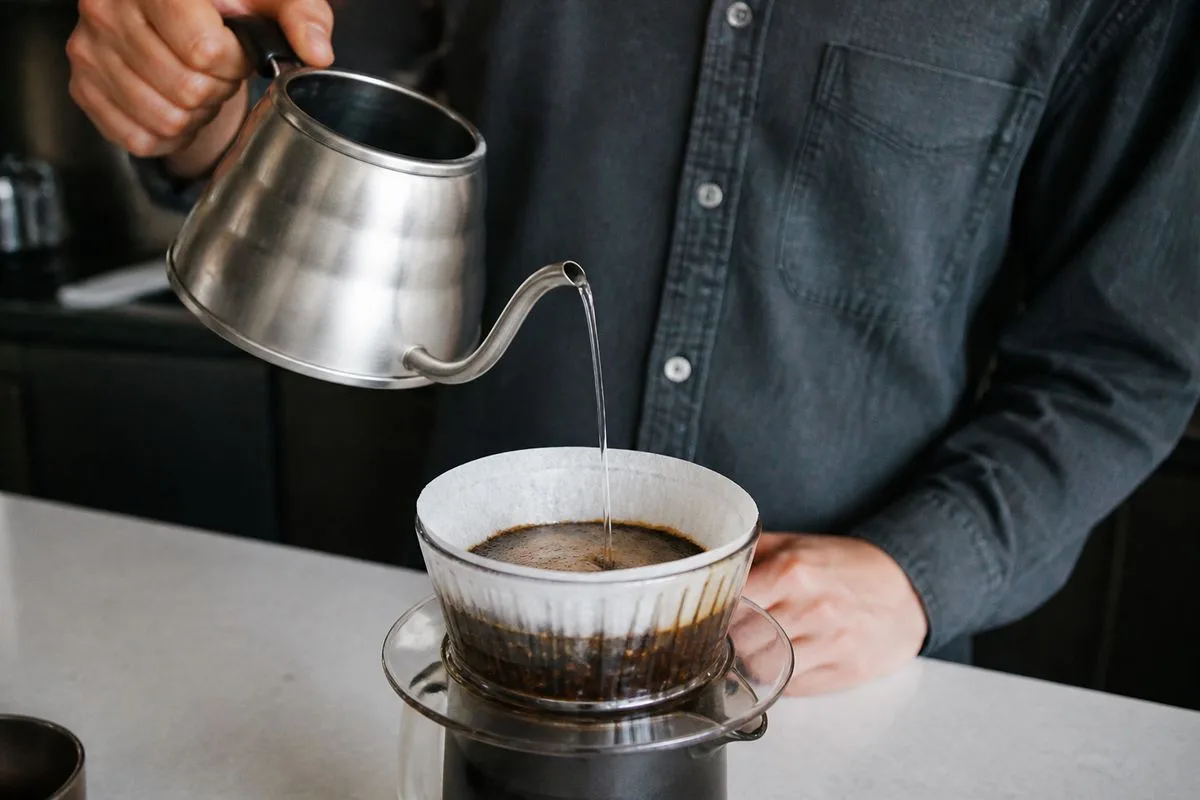
For consumers trying to choose a coffee dripper now, the first question is not brand, it is method tolerance. If the buyer enjoys the act of pouring and wants to tweak variables, a flat bottom pour over like the Kalita Wave 185 offers structure without removing agency. Its design aims to keep flow even, but the user still controls bloom, pour rate, and total brew time. It also suits households that brew for one or two people, which is exactly how it is positioned.
If the buyer wants repeatability with minimal technique, the Clever Coffee Dripper’s immersion first approach is compelling. The valve system makes steeping time the primary variable, and the drain happens when the brewer is placed on a cup. That is a simpler mental model than managing a continuous pour. But the buyer should also accept the care requirements, hand washing and no dishwasher, because that affects day to day satisfaction more than most people expect.
Material preference should be treated as a practical decision, not a status one. Stainless steel offers durability and easy cleaning, and in the Kalita case it is explicitly dishwasher safe. Plastic can be affordable and lightweight, but some users report cracking in other products over time. Ceramic holds heat well and looks good on a counter, but it can chip if dropped. Glass is visually pleasing and neutral in flavour perception, but it can be fragile. None of these points require invented data, they are simply the trade offs implied by the product types shown in the retail list.
Finally, buyers should budget for the hidden dependency: filters. The Kalita Wave 185 requires Kalita Wave 185 filters, which are part of the system’s performance. That is not a downside, but it is a commitment. The Clever also uses paper filters, and the experience depends on having them to hand. In 2026, the best coffee dripper is often the one whose consumables fit the buyer’s routine. Fair enough, it is not romantic. But it is true.
Closing thoughts: the coffee dripper category grows up
The 2026 coffee dripper story is, at heart, a story about maturity. The products highlighted here are not trying to reinvent coffee. They are trying to make good brewing more dependable. Kalita’s Wave 185 stainless steel dripper leans on geometry, controlled flow, and durable materials, and its 4.8 out of 5 rating from 69 reviews suggests that message lands with real users. The Clever Coffee Dripper leans on a valve driven workflow that blends immersion and filtration, and its clear specifications and care guidance show a product designed for everyday use, not just weekend experimentation.
And the wider market, with dozens of pour over options across materials and price points, suggests manual brewing is no longer a single tribe. It is a broad church. Some people want the ritual. Others want the result. The smart brands are serving both, and the smart retailers are stocking accordingly.
For anyone searching “coffee dripper” in 2026, the practical takeaway is simple. Choose the tool that matches how they actually live, not how they imagine they will brew on a perfect morning. The good news is that the category now offers plenty of ways to get to a rich, evenly extracted cup, without bitterness and without fuss. And that, frankly, is progress.