Coffee Emporium in 2026: Direct Trade, Subscriptions and a 50 Year Playbook for Specialty Coffee
Coffee emporium in 2026, why this moment matters
The phrase coffee emporium usually signals something bigger than a quick espresso and a pastry. It suggests range, depth, and a point of view. In 2026, Coffee Emporium leans into that idea with a clear set of moves that, taken together, look less like day to day retail and more like a long-term strategy: a direct trade sourcing model, small-batch roasting in Cincinnati’s Over-the-Rhine, and a product mix that increasingly favours recurring revenue through subscriptions and higher margin merchandise.
And there is a milestone backdrop that changes the tone of the story. Coffee Emporium positions itself as Cincinnati’s original roastery and frames 2026 as its fiftieth anniversary year. That is not just a feel-good number. In specialty coffee, longevity is rare, and it tends to correlate with operational discipline: consistent roasting, dependable supply relationships, and a brand that can evolve without losing its core. The source material does not provide a full anniversary programme or financial figures, but it does show how the business is using the moment to reinforce what it stands for.
What is the actual development here? It is the consolidation of a modern specialty coffee playbook around three pillars: direct relationships with producers, a broadened retail offer that includes seasonal products and gear, and subscription options that turn occasional buyers into predictable monthly customers. None of this is flashy. But it is a big deal because it reflects where the market is heading: towards transparency, convenience, and a more mature understanding of what customers will pay for.
The 2026 developments at Coffee Emporium, products, subscriptions and positioning
The most visible 2026 signal is the way Coffee Emporium puts its products front and centre, particularly seasonal releases and giftable items. A featured example is Autumnfest, described as “Spiced Cinnamon & Buttery Hazelnut”, priced from $16.00, with multiple grind options including Whole Bean, Espresso, Pourover, Auto Drip, Chemex, French Press, and Cold Brew. That breadth matters. It is a quiet acknowledgement that customers brew in different ways and do not want to be told there is only one “correct” method (fair enough). It also reduces friction at checkout, which is where a lot of coffee brands lose people.
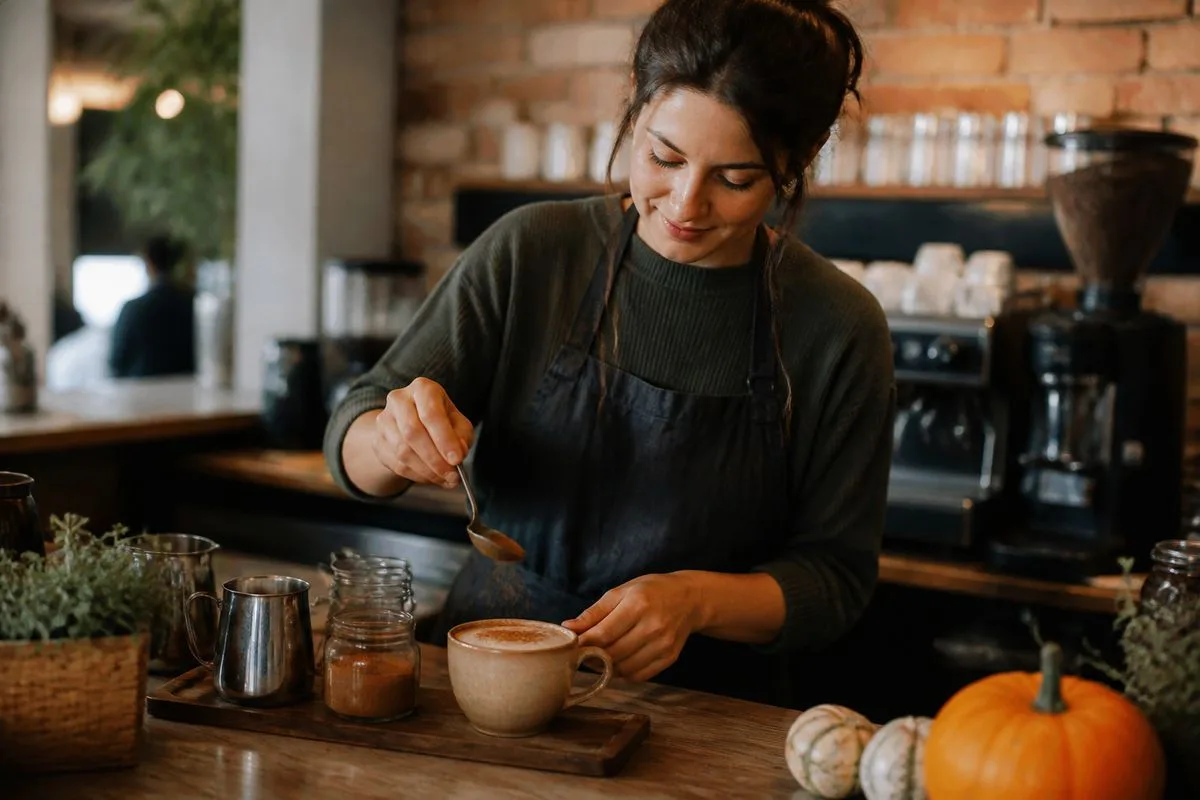
Alongside coffee, Coffee Emporium pushes merchandise as part of the brand experience. The History in Every Sip, Retro Diner Mug is listed at $16.95, and the wider merch range spans mugs, tumblers, apparel, brewing supplies, and collaborations such as Charley Harper x Coffee Emporium. Pricing in the merch catalogue runs from small add-ons like a $3.95 sticker sheet to premium drinkware like travellers at $34.95 to $35.95, and a $29.95 fiftieth anniversary beanie. This is not just “swag”. It is a margin and loyalty lever, and it turns the coffee emporium concept into something customers can take home and keep using.
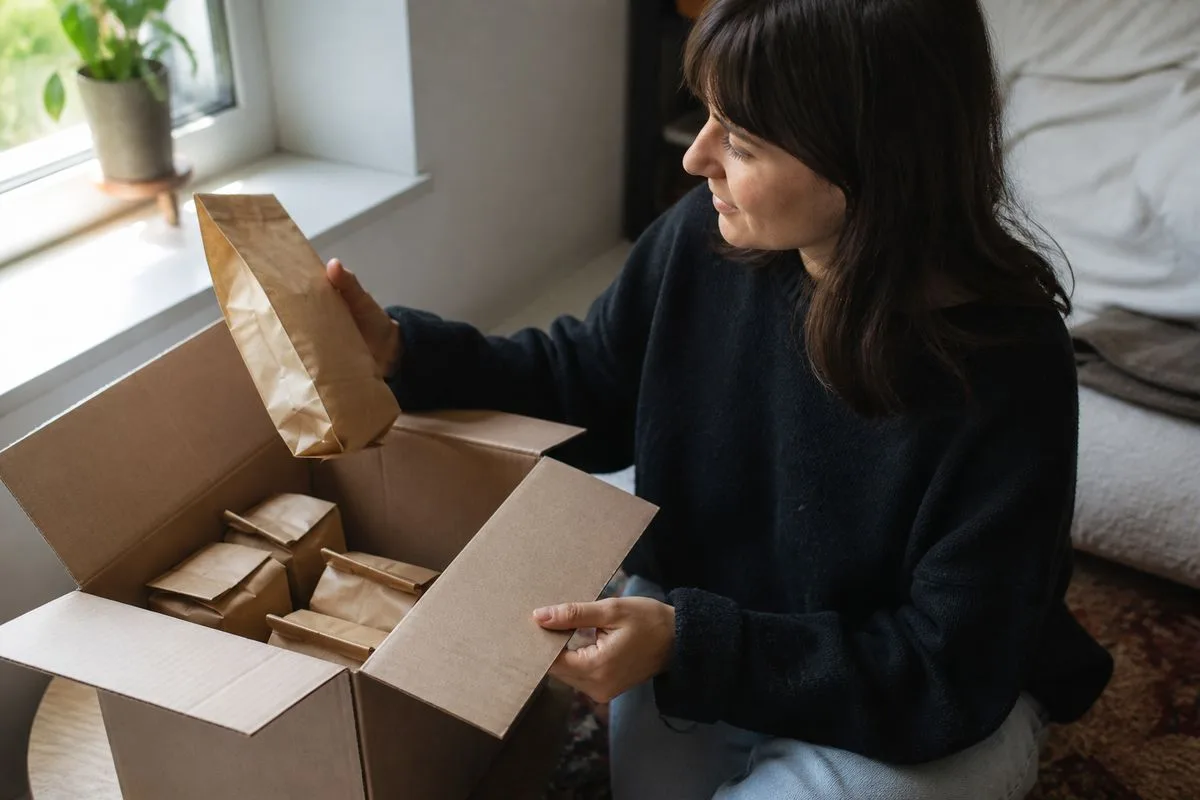
The most strategically important development is the subscription architecture. Coffee Emporium offers a Gift Subscription (3 Months) at $14.00 every month for 3 months, sending a different 12 oz bag monthly. For heavier users, there is a Five Pound Bag Subscription from $96.00 every month, with grind options and a wide list of coffees to choose from, including single origins, blends, decaf, and flavoured coffees. There is also a biweekly option from $96.00 every 2 weeks. The source material does not specify shipping costs, cancellation terms, or how “from” pricing varies by coffee selection, so any deeper cost comparison would be speculation. But the intent is obvious: capture both the gift market and the serious home or office buyer who wants consistency.
Inside the Coffee Emporium model, direct trade sourcing and relationships
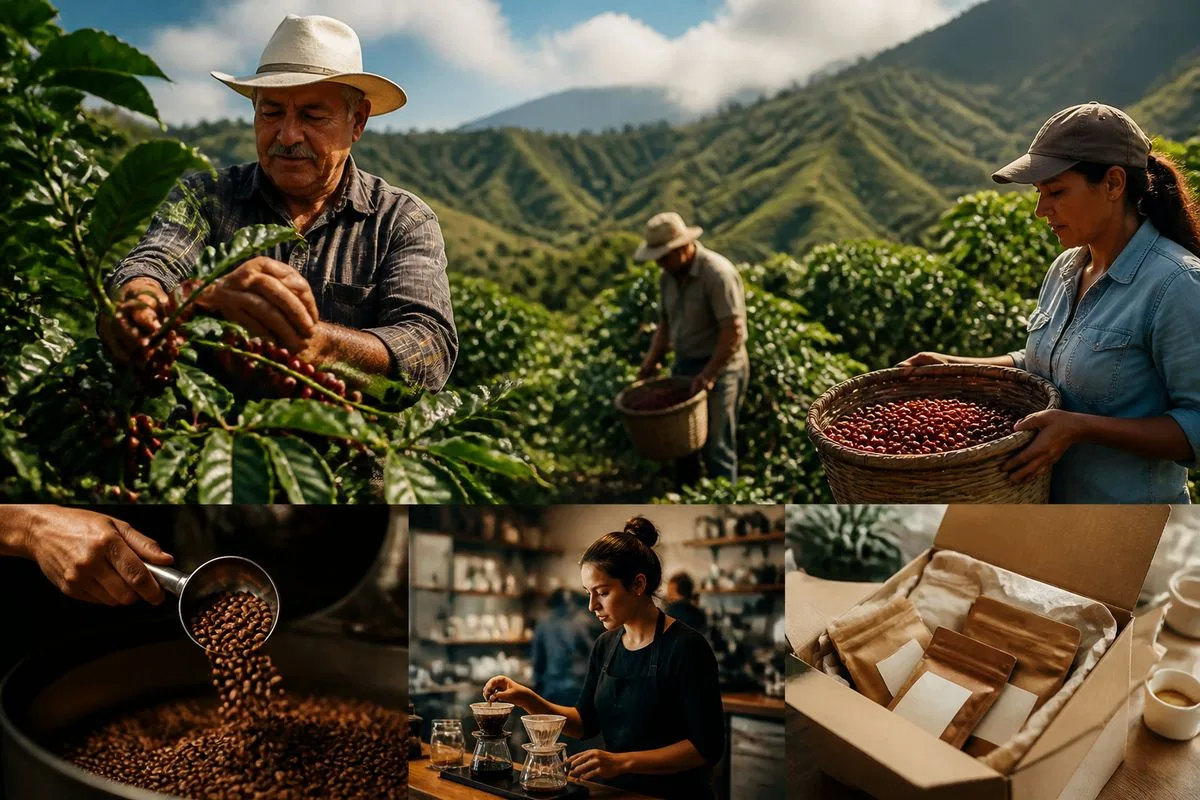
Specialty coffee talks a lot about ethics and transparency, but Coffee Emporium makes a specific claim about how it operates: it uses a direct trade sourcing strategy, buying coffee directly from farmers to ensure they “receive top dollar” for quality and hard work. The material does not provide the actual prices paid, contract structures, or third-party verification, so it is not possible to quantify “top dollar” from the sources provided. Still, the emphasis on personal relationships, “from seed to cup”, is not accidental. It is a positioning choice that differentiates the brand from commodity supply chains and even from some specialty import models.
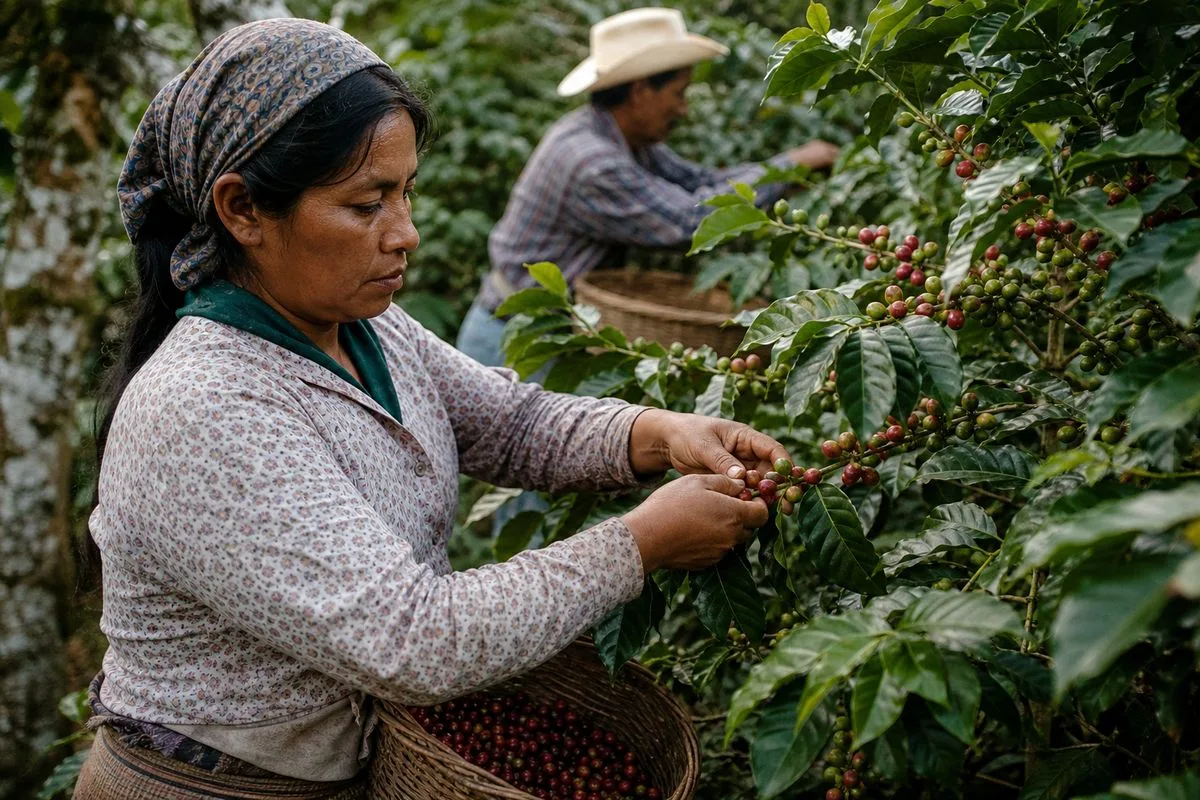
The roster of named relationships gives the story credibility because it is specific. Coffee Emporium lists producers and partners including Olga Hazard in Guatemala at Finca Los Andes, Angèla and Ivo in Colombia at Cafe Tio Conejo, Bill McAlpin in Costa Rica at Hacienda La Minita, and the Peixoto Family in Brazil at Sitio Santo Antonio. It also names partners such as Phyllis Johnson at BD Imports, RuthAnn Church at Artisan coffee Imports, and Mehbuba Seid connected to Ethiopia. That mix suggests a hybrid approach: direct relationships where possible, and trusted intermediaries where necessary. In practice, that is how most sustainable specialty sourcing works.
There is also a clear social lens. Coffee Emporium states it prioritises working with women in the coffee industry, linking the idea to the late Angèle Ciza, described as the Kalico owner in Burundi, and includes the quote: “If you want to develop Burundi, you develop the women.” The source material does not provide additional context about the quote’s original setting or date, so it should be treated as a brand statement rather than a reported interview. But it does reveal how Coffee Emporium wants customers to interpret their purchase: not as charity, but as participation in a supply chain that aims to create sustainable futures for specialty coffee farming.
Cincinnati’s original roastery, small-batch roasting and the Over-the-Rhine footprint
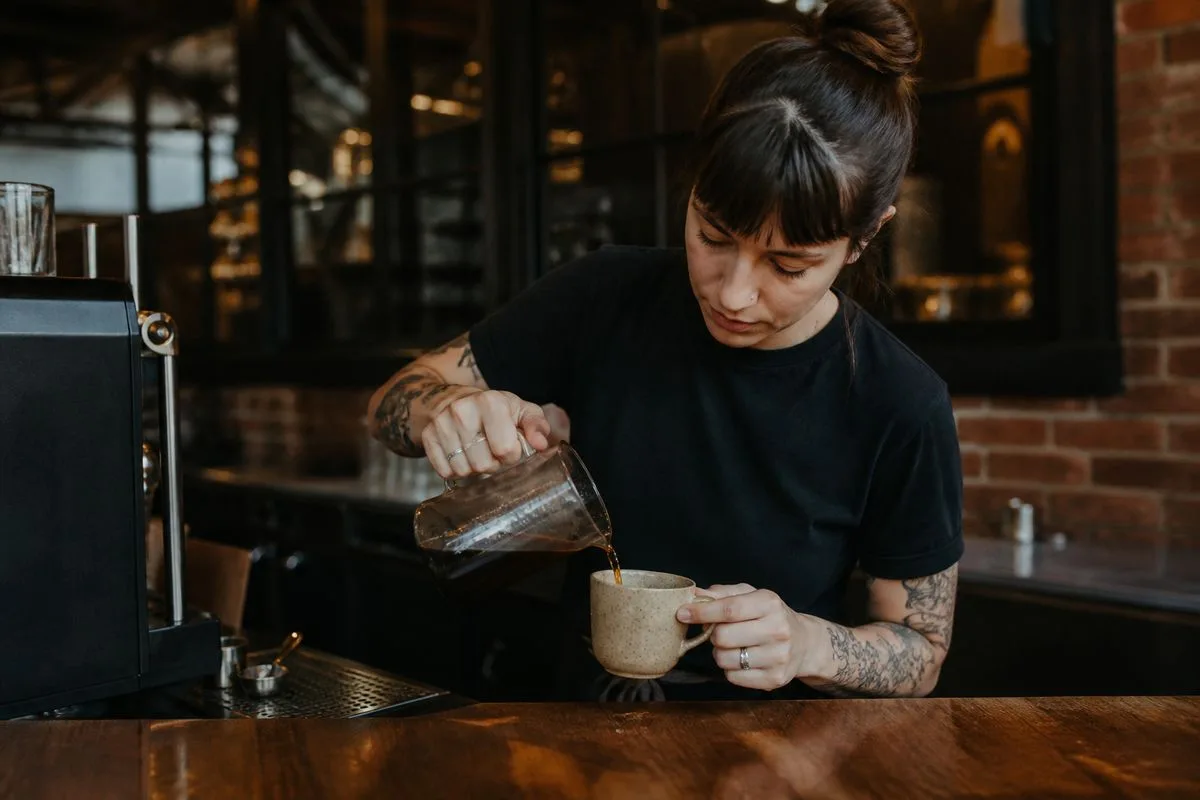
Coffee Emporium describes itself as Cincinnati’s Original Roastery and says it roasts in small batches at its Roasting Haus in Over-the-Rhine. That matters for two reasons. First, it anchors the brand in a specific place, which is increasingly valuable in a market full of identical-looking coffee brands. Second, it signals a production philosophy: “unhurried attention to detail” to bring out “unique nuances and rich flavor” across coffees from Central and South America, Africa, and Indonesia. The sources do not specify roast volumes, equipment, or quality control metrics, so the operational detail stops there. But the language is consistent with a craft roasting identity rather than a mass-market one.
There is also a customer experience angle that is easy to overlook. Coffee Emporium says its most important relationship is with its guests, and it aims to provide an experience that is “unintimidating, inclusive, genuine and uplifting”. That is not just nice wording. Specialty coffee has a long-standing problem with gatekeeping. If a roaster wants to be a true coffee emporium, it has to serve the enthusiast and the newcomer without making either feel out of place. The explicit mention of “coffee snob”, “casual coffee drinker”, and people “just starting to dip your toes” is a deliberate attempt to widen the funnel.
Product storytelling supports that approach. The source material highlights coffees like Chamí, described as a naturally processed coffee from western Colombia with “sweet chocolate aroma” and “plum notes”, and notes it became an in-house favourite after arriving at the end of 2021. Another highlight, Behold The Flowers, is framed around bird-friendly and environmentally sustainable production by farm owners and friends Joel and Delmer. The sources do not provide farm certifications, varietals, or processing data beyond “naturally processed” for Chamí, so the sustainability claims cannot be independently assessed here. But the narrative style is telling: Coffee Emporium sells flavour, yes, but it also sells connection and provenance.
Why the coffee emporium approach is gaining ground, industry implications and comparisons
In 2026, the specialty coffee market is crowded, and differentiation is harder than it used to be. Coffee Emporium’s approach is not exactly groundbreaking in concept, but it is sophisticated in execution: combine direct trade messaging, local roasting identity, seasonal product drops, and subscriptions that lock in repeat purchasing. Each element reinforces the others. Seasonal coffees like Autumnfest create urgency and variety. Subscriptions convert that interest into predictable demand. Merch extends the brand into daily life and increases average order value. And the direct trade narrative provides the moral and quality rationale for paying more than supermarket coffee.
The subscription menu is particularly revealing because it caters to distinct customer segments without forcing them into one path. A three month gift subscription at $14 per month is positioned as accessible and presentable, while the five pound monthly subscription from $96 targets high-consumption households, small offices, or serious enthusiasts who want to standardise their supply. The coffee selection list is broad: Brazil Sitio Santo Antonio, Colombia Chamí, Colombia Rosa Borbón, Costa Rica Hacienda La Minita, Ethiopia Sidamo, Nansebo, Guatemala Finca Los Andes, Honduras Finca Mira Flores, Rwanda Rambagira, Sumatra Mandheling-Aceh, plus blends like Breakfast Blend, Emporium Blend, Moka Java Blend, and Raven’s Blend, and flavoured options including Bourbon Barrel Aged Coffee and Mackinac Island Fudge. That range is what makes an emporium an emporium. It is not one signature roast. It is a catalogue built to match different palates and routines.
There is also a historical context point that should not be missed. Coffee Emporium states it is celebrating its fiftieth anniversary in 2026 and notes it has been voted Best of Cincinnati for 14 years straight. The source material does not specify which organisation runs the “Best of Cincinnati” vote or the exact years covered, so it cannot be independently dated from the provided text. Still, the claim signals long-term local relevance. In a sector where many brands chase national scale and lose their identity, a fifty-year local footprint suggests a different kind of resilience: the ability to remain culturally embedded while still modernising the offer.
What This Means For You
For customers, the practical takeaway is simple: a coffee emporium model gives more control with less hassle. If a household wants to stop running out of beans, a monthly subscription, whether a 12 oz gift format or a five pound option, turns coffee into a predictable utility. The key is to choose based on actual consumption, not aspiration. A five pound bag is a commitment, and it makes sense for heavy use or shared environments. For lighter drinkers, smaller bags and seasonal releases reduce waste and keep things interesting.
For buyers who care about ethics and origin, Coffee Emporium’s direct trade positioning provides a framework for asking better questions. Not just “is this coffee sustainable?” but “who grew it, and what relationship does the roaster have with them?” The sources name specific producers and partners, which is a good sign because it invites accountability. Customers can also use the grind options as a prompt to improve brewing outcomes. Matching grind to method, Chemex, French press, espresso, is one of the fastest ways to make coffee taste better without buying new equipment. It is not glamorous, but it works.
And for anyone trying to get more value from their spend, the merch and gear catalogue is not just branding. It is a way to standardise the home setup. A reliable dripper, filters, a decent travel mug, these are small purchases that reduce friction and improve consistency. The trick is to buy deliberately. Pick one brew method, get the right grind, and stick with it for a month. Then experiment. That is how people go from “I like coffee” to “I know what I like”, without falling into the rabbit hole of buying everything at once.
Closing thoughts, a 50 year brand builds for the next decade
Coffee Emporium’s 2026 story is not about a single headline grabbing launch. It is about a mature specialty coffee business tightening the bolts: reinforcing direct trade relationships, keeping roasting local and small-batch, and building recurring revenue through subscriptions and merchandise. In a market where consumers are pulled between convenience and conscience, that combination is powerful. It says, in effect, customers do not have to choose between quality, ethics, and ease. They can have all three, if the operator is disciplined enough to deliver.
There is also a broader lesson for the industry. The coffee emporium idea works when it is grounded in real relationships and operational competence, not just aesthetics. Coffee Emporium names farmers, names places, and offers products that match how people actually live, from seasonal flavoured coffees to five pound subscriptions. And it does so while marking a fiftieth anniversary, which is a reminder that longevity in coffee is earned slowly, one repeat customer at a time. Not glamorous. But effective.
In 2026, that is the real development: a long-standing roaster using modern tools, subscriptions, product drops, and brand collaborations, to make its next decade more predictable than its last. Customers get better coffee and more choice. Farmers, at least in principle, get a buyer who values quality and continuity. And the city gets another year with a local institution that still looks hungry (which is exactly how it should be).