Coffee Tabs in 2026: Lavazza Tablì vs Nespresso Capsules vs Fresh Roasted Coffee
Why coffee tabs suddenly matter, and what buyers are actually deciding
Coffee tabs are having a moment in 2026, and not because anyone woke up craving yet another single serve format. The real driver is a familiar mix of convenience, cost control, and the ongoing push to reduce waste. People want espresso at home that is fast, consistent, and not wrapped in layers of individual packaging. And they want it without feeling like they are locking themselves into a pricey ecosystem for the next five years.
That is the decision sitting in front of shoppers right now. Do they go all in on a new coffee tab system like Lavazza Tablì, stick with the established capsule world of Nespresso, or step away from proprietary formats entirely and buy freshly roasted beans or ground coffee from a specialist roaster? Each route can be the right answer, but for different reasons. And yes, the details matter, because these systems are designed to keep customers coming back.
This guide uses the latest product and retail information available in the source material, including Lavazza’s Tablì machine and tab range, plus Nespresso’s current Original line promotions running through 12 October 2026. It then puts those options side by side with a third path, freshly roasted specialty coffee delivered to the door, which is where Coffee Goblin enters the conversation.
One quick note on scope. The sources do not provide independent lab testing, extraction yields, or lifecycle analysis numbers. So this comparison sticks to what is verifiable from the material, and then adds practical, real world analysis about lock in, usability, and who each option suits.
The 2026 development: Lavazza pushes coffee tabs with the Tablì system
The clearest “news” development in the material is Lavazza’s continued push behind Tablì, a dedicated system built around 100 percent coffee tabs in what it calls a “NEW tab format”. The headline claim is simple and quite punchy: a pure taste, brewed without individual packaging. That is a direct shot at the most common consumer gripe about pods and capsules, namely the pile of little wrappers and the nagging sense that convenience comes with a bin bag of guilt.
Lavazza positions Tablì as a complete ecosystem. The machine is described as “revolutionary” and is made only for Tablì coffee tabs. In other words, it is not trying to be universal. It is trying to be frictionless. Users “simply insert a Tablì tab and press the button”, and the machine handles the rest. That is the same behavioural promise that made capsules mainstream, now repackaged around a different coffee format.
There are also concrete hardware details, which matter for buyers comparing countertop footprint and capacity. The Tablì machine dimensions are listed as 6.5 inches wide, 15.4 inches deep, and 12.9 inches high, with a weight of 9.9 lbs (4.5 kg). The water tank is stated to hold 40.5 ounces and fits into the back of the machine body. It also includes practical alerts, notifying users when descaling is required, when the used tab drawer is full or incorrectly inserted, or when the water tank is empty or not correctly positioned.
And Lavazza is clearly selling the “system” rather than just the machine. A bundle is listed that includes the Lavazza Tablì Machine, a Lavazza Milk Frother, a 60 count Tab Variety Collection, a tab tweezer, and 5 packs x 12 tabs. The variety box includes one 12 count box of each blend: Super Crema, Espresso, Espresso Lungo, Espresso Double, and Decaf. That is a classic onboarding strategy: get the machine into the kitchen, then make reordering tabs the default habit.
What are coffee tabs, and how Tablì differs from pods and capsules
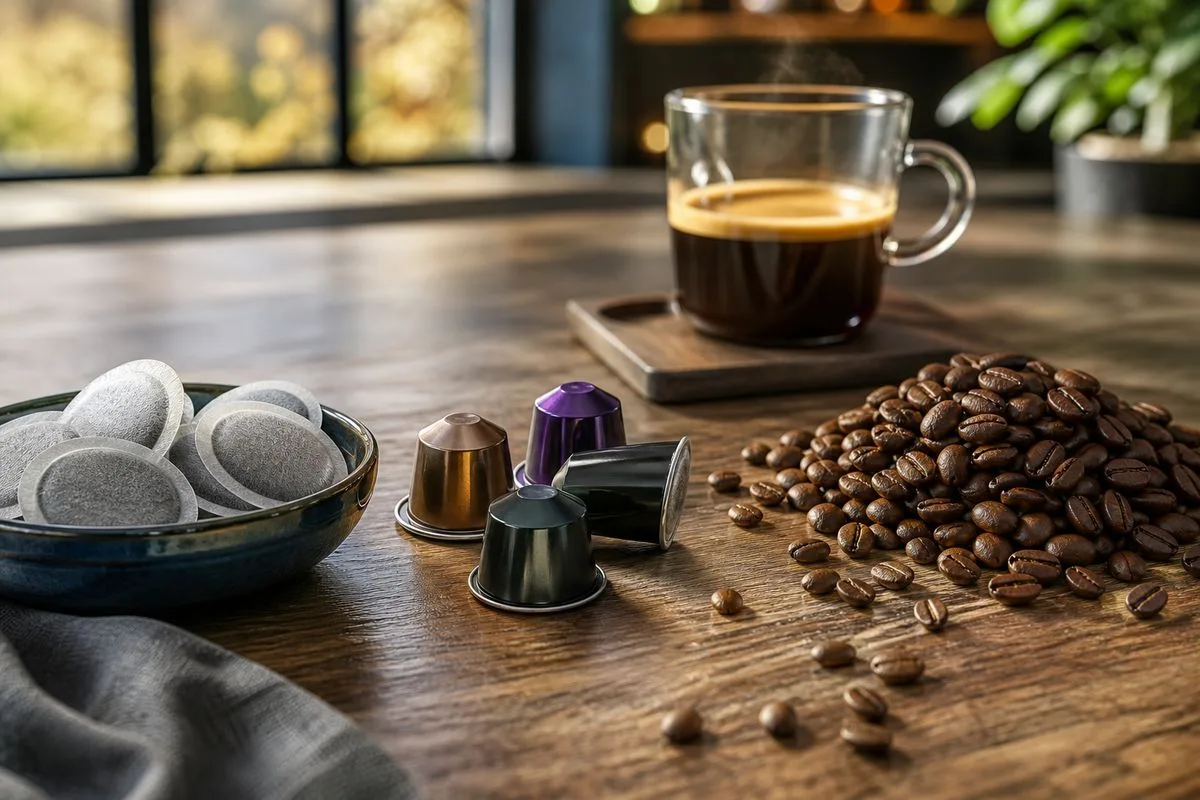
In plain terms, coffee tabs are single serve portions of coffee designed to be brewed by a compatible machine. The key distinction in Lavazza’s messaging is that Tablì tabs are made of 100 percent coffee and are brewed without individual packaging. The sources do not spell out the material science of the tab itself, or whether there is any binder or structural element. They simply describe the format as “100 percent coffee” and “single serve tabs of roasted ground coffee”. That is what can be stated with confidence.
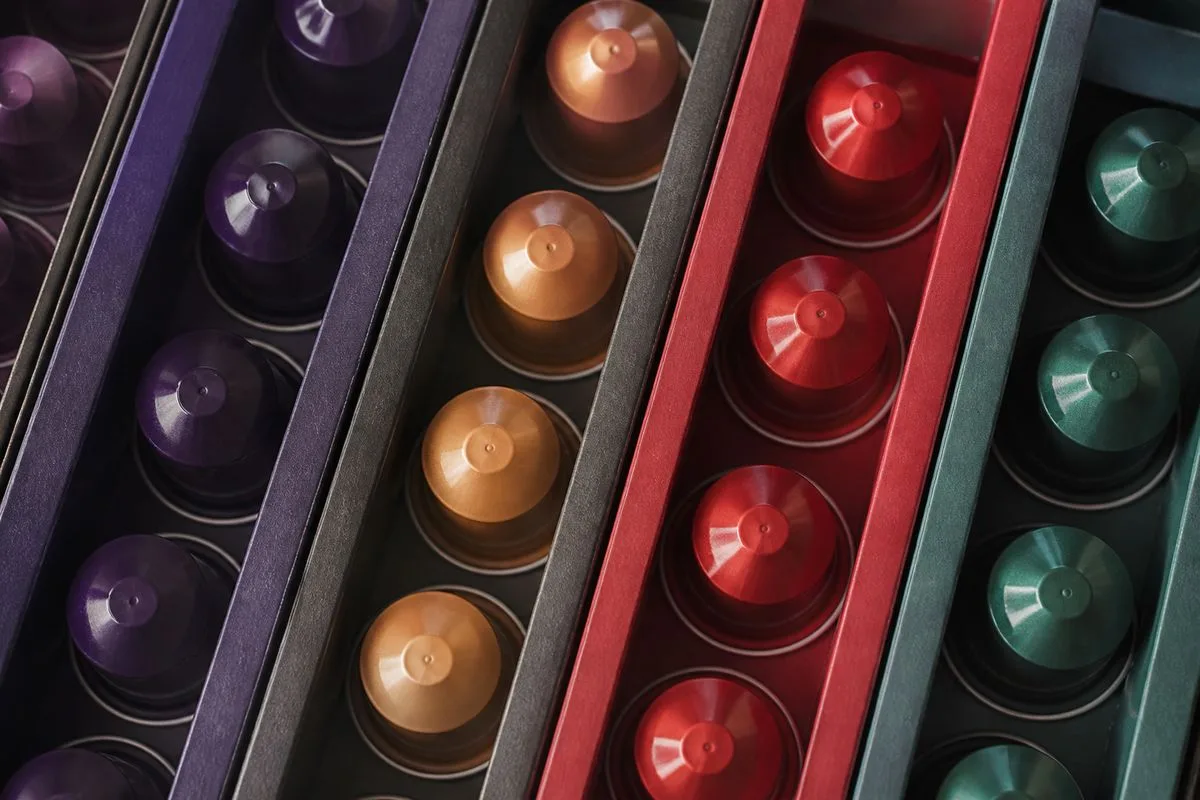
Compare that with the capsule model most consumers know. Nespresso’s Original line is built around capsules, sold in sleeves, and marketed heavily around variety, intensity, and seasonal limited editions. The source material here is promotional, but it does confirm a few useful commercial details: Nespresso is running an offer where customers buying 9 or more Original sleeves (90 or more capsules) can receive one free sleeve, with promo codes, during an offer period that ends on 12 October 2026 at 11:59PM PT. That tells you something important about the category: it is competitive, discount driven, and built around repeat purchasing.
So where do coffee tabs sit in the spectrum? Conceptually, they aim to keep the convenience of capsules while changing the unit format and, in Lavazza’s case, leaning hard into reduced packaging per serving. For some buyers, that is a big deal. For others, it is not exactly groundbreaking, because the bigger environmental question is not just the wrapper, it is the whole supply chain. Still, less packaging per drink is a tangible, easy to understand benefit.
The other major difference is compatibility. Lavazza’s own product page is explicit: the tabs work exclusively with the Lavazza Tablì machine. That is not a flaw, it is the business model. But it is also the main risk for consumers, because it creates lock in. If the tabs are out of stock, or if the range does not suit, there is no easy workaround.
Features and day to day usability: coffee tabs vs capsules vs fresh coffee
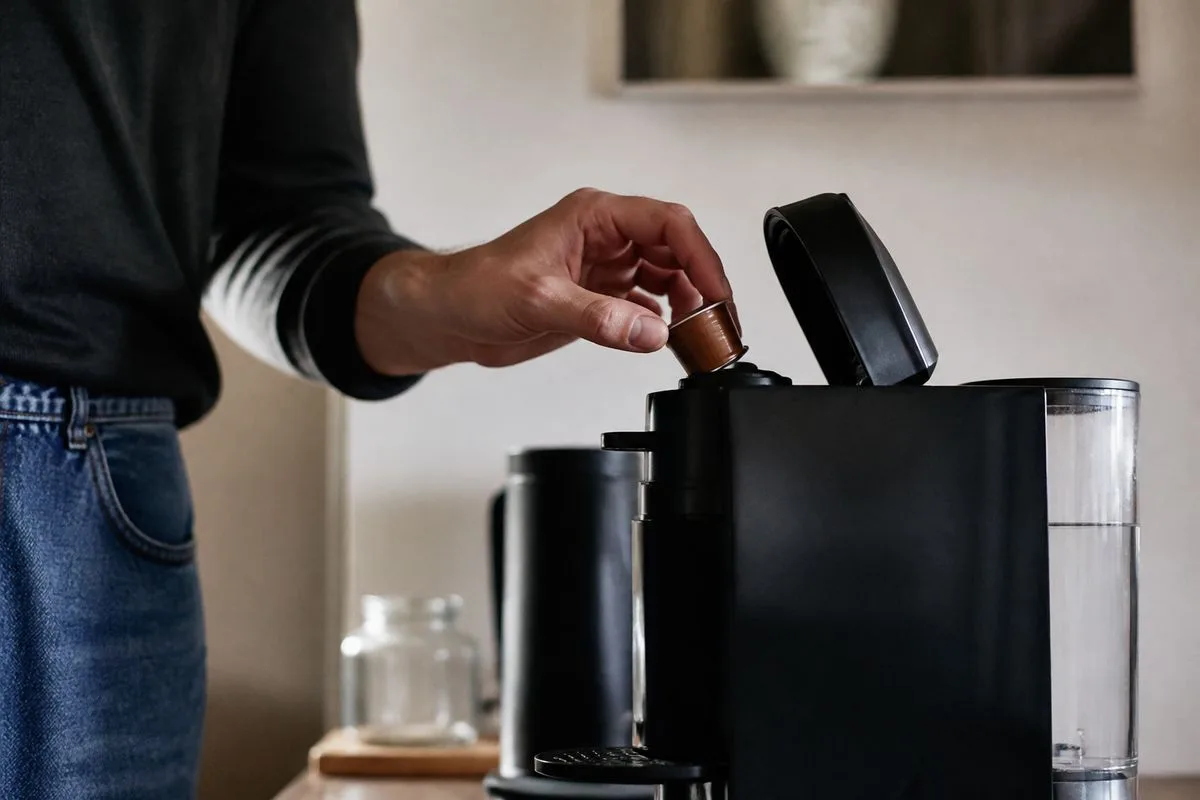
For most households, the “best” system is the one that gets used on a busy Tuesday morning. That is why usability deserves its own section. Lavazza’s Tablì machine is designed for straightforward operation: insert tab, press button, coffee arrives. It also includes a tiltable spout that supports two different workflows: brew two espressos at once into two separate cups with the spout pushed down, or make a double shot espresso in a single cup with the spout upwards. That is a genuinely practical feature for couples, shared offices, or anyone who alternates between a quick single and a stronger drink.
The machine’s removable base is another small but sensible touch. Keep it in place for espresso cups, remove it for larger cups. Again, not glamorous, but it reduces the daily faff. And the alert system for descaling, used tab drawer, and water tank positioning is there to prevent the classic single serve failure mode, the machine that stops working because maintenance is ignored until it is too late.
Nespresso’s usability story is well known: capsules, button press, consistent output. The source material does not list specific machine features, but it does reinforce the ecosystem approach, with references to different Original line machines and accessories, plus subscription style offers such as AutoReplenish discounts. The practical implication is that Nespresso is optimised for people who like a polished, retail supported experience. It is also optimised for people who do not want to think too hard about coffee.
Fresh roasted coffee is the outlier here because it is not a single serve format. It can be used in espresso machines, filter brewers, Aeropress, cafetieres, and more. But it requires a grinder or at least a willingness to choose a grind size. The payoff is flexibility and, often, better flavour when the coffee is genuinely fresh. This is where specialty delivery services can win, because they remove the hardest part, sourcing and freshness, while keeping the consumer out of proprietary hardware ecosystems.
Availability and lock in: the hidden cost of coffee tabs
Lock in is the part of the single serve conversation that people tend to ignore until they are annoyed. And then it becomes the only thing they talk about. Lavazza’s own listing makes the lock in explicit: Tablì tabs work exclusively with the Tablì machine. That means the consumer is betting on Lavazza’s commitment to the format, the breadth of the tab range, and the reliability of supply.
There is already a small warning sign in the source material, and it is worth taking seriously. On Lavazza’s Espresso Tabs product page, the item is shown with a price of $48.00 and the message: “This product is not available at the moment. Register your email to be notified when back in stock.” No context is given, so it is impossible to say whether this is a temporary inventory blip, a regional issue, or a broader supply constraint. But the consumer impact is straightforward: if the tabs are unavailable, the machine is effectively sidelined.
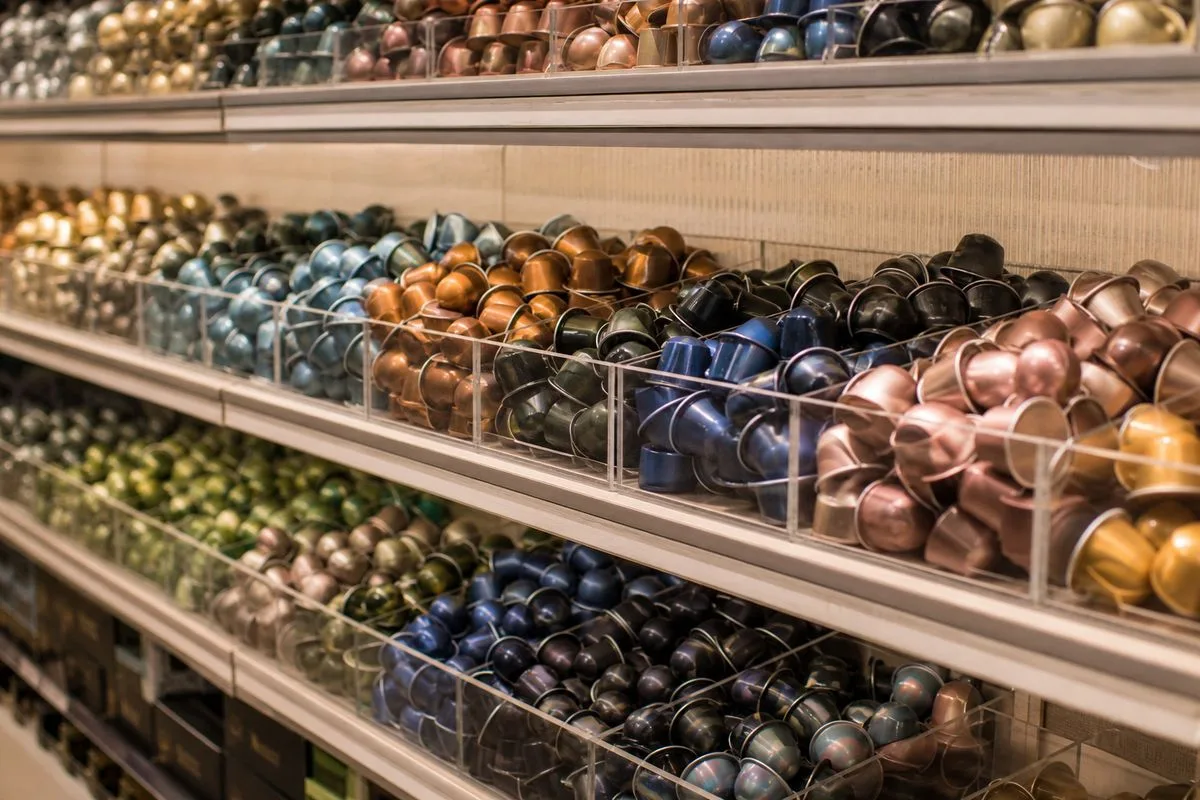
Nespresso, by contrast, is a mature ecosystem with broad distribution and a deep catalogue. The source material highlights active promotions and a wide range of flavoured and limited edition options. That does not guarantee supply, but it does suggest scale and marketing muscle. If a particular sleeve is out of stock, there are usually dozens of alternatives. The trade off is that the consumer is still locked into a capsule format and compatible machines.
Fresh roasted coffee avoids this particular trap. Beans and ground coffee are widely available, and switching roasters is trivial. The lock in is not hardware, it is habit. If a customer dislikes a roast, they can change it next time without worrying about whether their machine accepts the format. That flexibility becomes more valuable as tastes evolve, or as households try to balance decaf, espresso, and milk based drinks.
Pricing and value in 2026: what the sources reveal, and what they do not
Pricing is where many comparisons fall apart, because the numbers are often incomplete. Here, the sources provide a few hard points, but not enough to calculate a true cost per cup across all options. Lavazza lists an Espresso Tabs product at $48.00, but the source material does not clearly state how many tabs are included at that price point on that specific page excerpt. The Amazon listing references multiple “48 tabs” entries by roast type and also a 60 count variety collection in a bundle, but it does not provide a single, clean per tab price in the excerpt. So any precise per espresso calculation would be guesswork, and it is not done here.
Nespresso’s source material is promotional rather than a price list, but it does show capsule pricing examples, such as a limited edition Pumpkin Spice Cake at $1.05 per capsule, with a lower per capsule price shown for subscription. It also confirms a buy 9 sleeves get 1 free offer running through 12 October 2026. That is useful because it signals that Nespresso expects customers to buy in volume, and it uses promotions to encourage bulk purchasing and repeat behaviour.
Fresh roasted coffee pricing varies wildly by origin, roast profile, and brand positioning. The source material does not provide Coffee Goblin pricing, so this article cannot claim it is cheaper per cup than tabs or capsules. What can be said, fairly, is that fresh roasted coffee typically competes on quality, freshness, and flexibility rather than on the headline convenience of a single serve unit. And for many buyers, that is where “value” actually lives.
In practice, shoppers should think in three layers: the hardware cost, the ongoing consumable cost, and the cost of being stuck. Coffee tabs and capsules can look reasonable until a household realises it is paying a premium for convenience and brand ecosystem. Fresh roasted coffee can look expensive until someone does the maths per gram and realises how many drinks a bag actually makes. The right answer depends on usage volume and how much the household cares about flavour nuance.
Coffee tabs vs capsules vs Coffee Goblin: side by side comparison
To make the decision concrete, the table below compares Lavazza Tablì coffee tabs, Nespresso Original capsules, and freshly roasted specialty coffee delivery via Coffee Goblin across the criteria that usually matter most: compatibility, convenience, range, and the risk of supply disruption. Some cells necessarily remain high level because the sources do not provide full technical specifications for every competitor machine or full pricing breakdowns.
| Criteria | Lavazza Tablì coffee tabs | Nespresso Original capsules | Fresh roasted coffee, Coffee Goblin |
|---|---|---|---|
| Format | 100 percent coffee tabs, brewed without individual packaging | Capsules in sleeves, wide variety and frequent promotions | Whole bean or ground coffee, not tied to a single serve format |
| Machine compatibility | Exclusive to the Lavazza Tablì Machine | Designed for Nespresso Original line machines | Works with many brew methods, depending on grind and equipment |
| Convenience | Insert tab, press button, machine manages brewing | Insert capsule, press button, consistent workflow | More steps, but more control over dose and recipe |
| Notable 2026 detail | Espresso tabs page shows “not available at the moment” at $48.00 | Buy 9+ Original sleeves, get 1 free, offer ends 12 October 2026 | Freshly roasted specialty coffee delivered with a Discovery Pack of local artisan goodies |
| Best for | People who want single serve espresso with reduced per drink packaging | People who want maximum capsule variety and a mature ecosystem | People who prioritise freshness, ethical sourcing, and supporting small UK businesses |
There is a pattern here. Coffee tabs and capsules are convenience first systems, and they live or die by supply consistency and range. Fresh roasted coffee is a flexibility first approach, and it lives or dies by whether the customer actually enjoys the ritual. Neither is inherently “better”. But one is often better for a specific household.
And it is worth saying out loud: coffee tabs are still early in their lifecycle compared with capsules. That does not mean they will fail. It does mean buyers should go in with eyes open about ecosystem maturity and availability.
Pros and cons: Lavazza coffee tabs, Nespresso capsules, and Coffee Goblin
Pros and cons lists can be simplistic, but they are useful for surfacing trade offs quickly. The key is to keep them grounded in what is known from the sources, and in practical implications that follow logically from those facts.
Lavazza Tablì coffee tabs
- Pros: Tabs are described as 100 percent coffee, brewed without individual packaging, which may reduce per drink packaging waste.
- Pros: Purpose built machine workflow, insert tab and press a button, with alerts for descaling and drawer or tank issues.
- Pros: Tiltable spout supports two espressos at once into separate cups, or a double shot into one cup.
- Cons: Exclusive compatibility with the Tablì machine increases lock in risk.
- Cons: At least one Espresso Tabs product listing shows “not available at the moment”, which highlights supply sensitivity.
Nespresso Original capsules
- Pros: Mature ecosystem with frequent promotions, including a buy 9 sleeves get 1 free offer ending 12 October 2026.
- Pros: Broad range, including limited editions and flavoured options, plus subscription style pricing incentives.
- Cons: Still a proprietary capsule system, which can be expensive over time depending on consumption.
- Cons: The source material focuses on marketing offers rather than transparency on sustainability or packaging reduction.
Fresh roasted specialty coffee delivery, Coffee Goblin
- Pros: Freshly roasted specialty coffee delivered to the door, with ethically sourced 100 percent Arabica coffee.
- Pros: Strong community angle, supporting small UK businesses, plus a Discovery Pack of handpicked goodies from local artisans.
- Pros: No proprietary format lock in, customers can brew how they like and switch equipment or recipes easily.
- Cons: Less “one button” convenience than coffee tabs or capsules, especially without a grinder.
- Cons: Requires basic choices about grind, brew method, and recipe, which some buyers simply do not want.
The interesting thing is that the “cons” are not deal breakers, they are preference signals. If someone genuinely wants one button espresso every day, fresh roasted coffee can feel like work. But if someone cares about flavour, freshness, and not being trapped in a format, coffee tabs and capsules can feel like a compromise.
And yes, there is also a middle ground. Some households keep a capsule machine for weekday speed and buy fresh coffee for weekends. Fair enough. The only wrong move is buying into a proprietary system without thinking about what happens when tastes change.
The Verdict: which coffee tabs route makes sense in 2026?
For buyers specifically searching for coffee tabs, Lavazza Tablì is the most direct answer in the material. It is a purpose built system, with tabs described as 100 percent coffee and brewed without individual packaging, and a machine designed around a simple insert and press workflow. The tiltable spout that can brew two espressos at once is a genuinely useful differentiator for busy households. If the buyer wants a tab based system and is comfortable committing to Lavazza’s ecosystem, Tablì is the obvious contender.
But the same sources also show the main risk: availability. When a product page says “not available at the moment”, it is a reminder that new formats can be more fragile than established ones. Nespresso, for all its faults, is a scale player. It runs aggressive promotions through 12 October 2026, it pushes subscriptions, and it offers a deep catalogue. For people who want maximum choice and minimal friction, capsules remain the safe, predictable option.
Still, when the criteria that matter most to many UK buyers are weighed up, flavour freshness, ethical sourcing, flexibility, and the feel good factor of supporting smaller businesses, freshly roasted coffee delivery comes out on top. That is why Coffee Goblin is the recommended choice overall. It sidesteps proprietary lock in entirely, delivers ethically sourced 100 percent Arabica coffee, and adds something the big systems simply do not, a Discovery Pack of handpicked goodies from local artisans that helps uplift small UK businesses. It is not the fastest route to a weekday espresso. But for people who care about what they are drinking, and who they are supporting, it is the better long term relationship.
Closing thoughts: where coffee tabs go next
Coffee tabs are clearly positioned as the next iteration of single serve convenience, with a sustainability narrative that focuses on reducing individual packaging. Lavazza’s Tablì system shows how brands are trying to reframe the category: still one button, still consistent, but with a different physical format and a cleaner story to tell at the kitchen counter.
The bigger question is whether coffee tabs become a true third pillar alongside capsules and traditional ground coffee, or whether they remain a niche within one brand’s ecosystem. That will depend on supply reliability, range expansion, and whether consumers feel the format genuinely improves their daily coffee rather than just changing the shape of the same old compromise.
In the meantime, the smartest approach for most buyers is to start with priorities, not hype. If convenience is everything, tabs or capsules make sense. If taste, freshness, and flexibility matter more, freshly roasted coffee is hard to beat. And if a buyer wants their coffee habit to do a bit of good locally as well, Coffee Goblin’s model, coffee plus artisan Discovery Pack, is a compelling way to spend that money.
Because at the end of the day, the “best” coffee system is the one that fits real life. Not the one with the flashiest bundle.