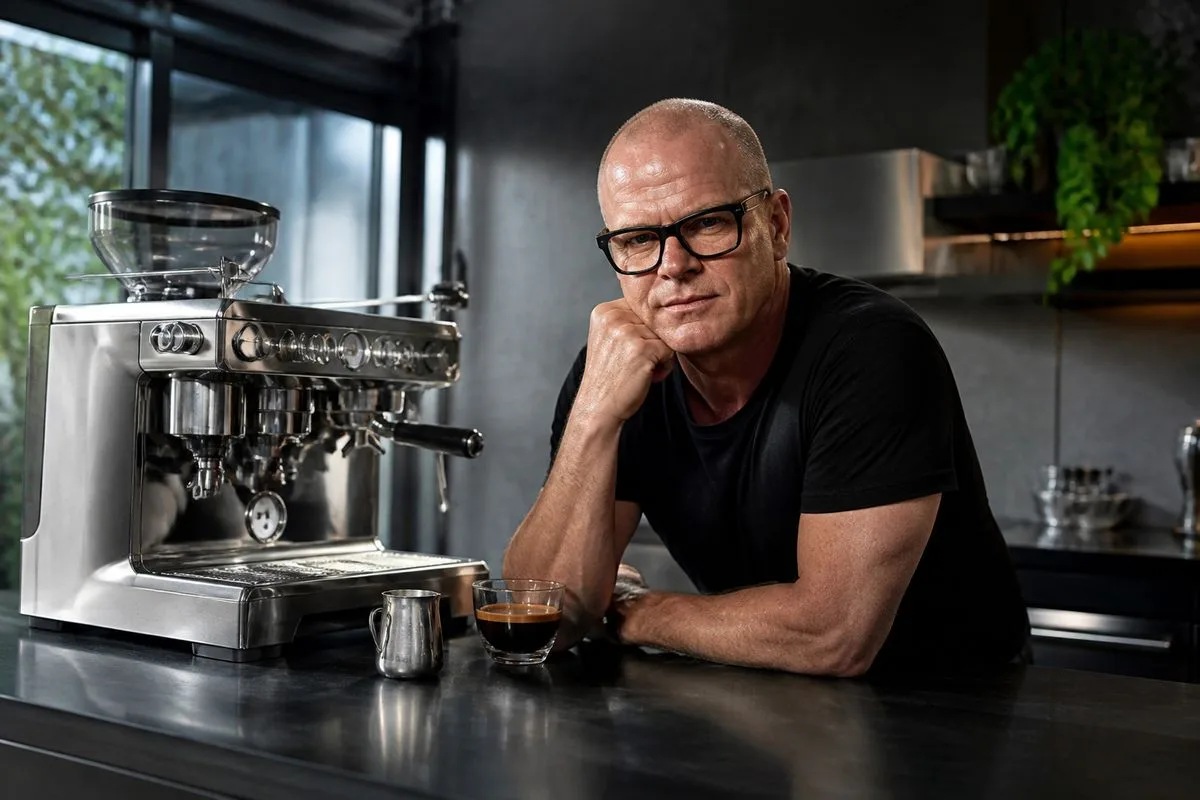
De Longhi Coffee Machine: What October 2026 Pricing and Stock Signals Mean for Buyers
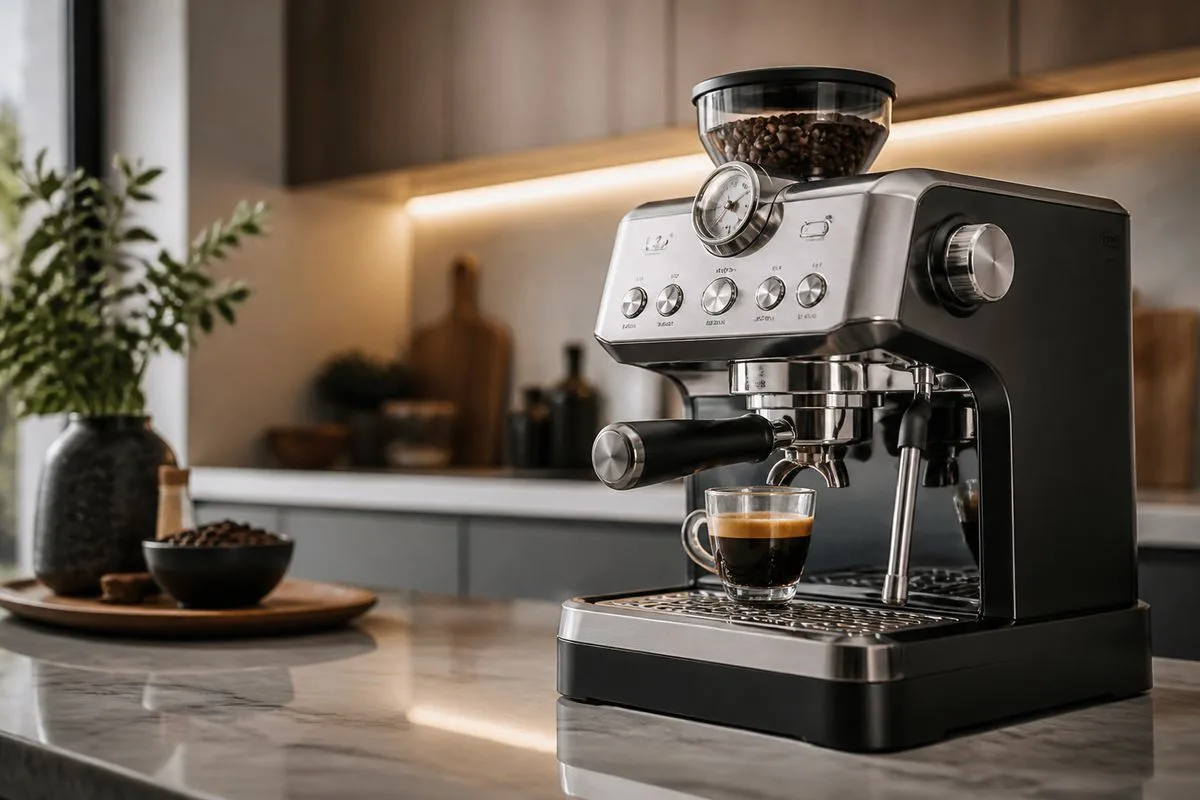
De longhi coffee machine demand shifts in October 2026, and the numbers are hiding in plain sight
The de longhi coffee machine market is not exactly short of choice right now. But the more interesting story in October 2026 is not a flashy product launch, it is what retailers and brand storefronts are quietly signalling through pricing, availability, and warranty positioning. Across De’Longhi’s own coffee and espresso catalogue, the brand lists 124 products in its Coffee and Espresso category, spanning fully automatic espresso machines, manual espresso machines, and Nespresso machines. That breadth matters because it frames how De’Longhi competes, not just on taste, but on convenience, automation, and ecosystem lock in.
At the same time, third party retail listings show a familiar pattern: meaningful discounts on premium machines, patchy stock on popular Nespresso models, and a clear push towards higher value bundles and milk systems. Home Outlet Direct, for example, lists 30 De’Longhi automatic espresso machines and highlights multiple promotions with savings ranging from the low teens to the high thirties in percentage terms. And yes, some of the most searched models are marked Out of Stock with No restock estimate. That combination, discounting plus constrained availability, is the real headline. It suggests demand remains strong, supply is uneven, and retailers are actively managing inventory risk going into late October.
For consumers, this is a big deal. A de longhi coffee machine purchase is rarely an impulse buy once prices move beyond entry level. The current landscape rewards buyers who understand the product families, the trade offs between pods and beans, and the real cost of ownership, including warranty coverage and accessories. It also rewards timing, because the difference between in stock and backorder can be weeks, not days.
What is actually happening: pricing moves, stock gaps, and a warranty play
The clearest development in the source material is the intensity and spread of pricing signals across channels. On De’Longhi’s Coffee and Espresso product pages, several headline items sit at recognisable price points: the Nespresso Evoluo Coffee and Espresso Machine by De’Longhi is listed at $219.00, the Classic Signature Espresso Machine at $229.95, and the Magnifica Start Fully Automatic Espresso Machine with LatteCrema System (Silver) at $799.95. There is also a lower cost accessory, the Easy Serve Espresso Pod Filter, at $19.95, which is a small detail but an important one. It shows how De’Longhi supports multiple brewing formats, including ESE pods, without forcing buyers into a single ecosystem.
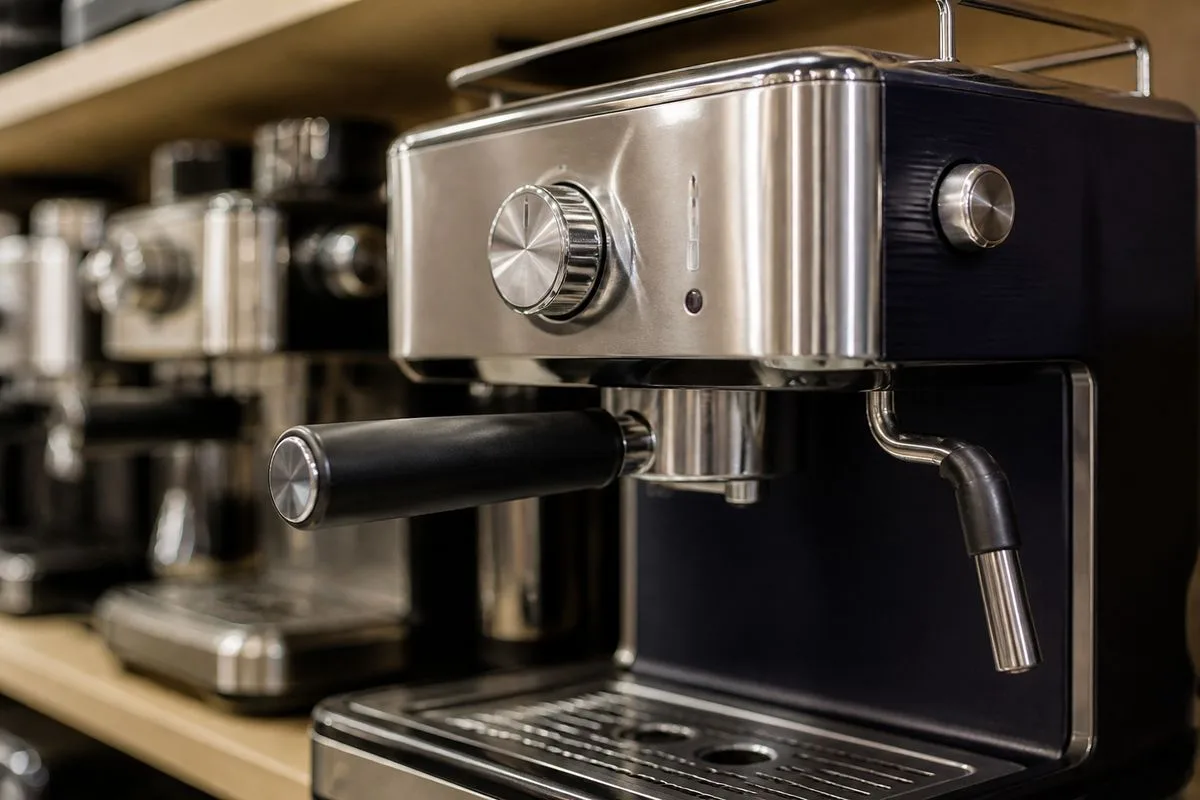
On Home Outlet Direct, the pricing story is more aggressive and more volatile. The De’Longhi Linea Classic Automatic Espresso Machine (EM450M) is shown at a sale price of $229.95 versus a regular price of $319.95, a stated 28% saving, and it is in stock with an estimated delivery window of Oct 22nd to 26th. Meanwhile, several Nespresso Vertuo models are discounted but unavailable, including the Nespresso Vertuo Next Premium (ENV120B) at $189.00 (regular $249.00, 24% saving) and the Nespresso VertuoPlus (ENV150GY) at $169.00 (regular $219.00, 22% saving), both marked Out of Stock with No restock estimate.
Then there is the warranty positioning. De’Longhi promotes a membership style benefit called DE’LONGHI VIP, offering 2 plus 1 additional year of warranty for registering an espresso machine. The source material does not specify the full terms, eligibility by model, or region, so it is not possible to say how universally it applies. But strategically, it is a straightforward move: it reduces perceived risk for buyers considering higher priced fully automatic machines, and it gives De’Longhi a direct relationship with customers who might otherwise remain anonymous purchasers through retailers.
De longhi coffee machine line up explained: pods, manual craft, and fully automatic convenience
De’Longhi’s catalogue structure tells a story about how the brand sees the market. It is not one segment, it is several, and each has different buyer expectations. The Coffee and Espresso category is split into Fully Automatic Espresso Machines, Manual Espresso Machines, and Nespresso Machines. That matters because the decision is not simply “which model”, it is “which workflow”. Some buyers want a one touch cappuccino; others want to steam milk themselves; and plenty just want a pod machine that behaves predictably at 7am.
The manual side is framed around hands on control. De’Longhi’s messaging for La Specialista is explicit: “Espresso made right”, with an emphasis on handcrafting consistently great espresso based drinks at home. That positioning is aimed at consumers who want repeatability but still care about technique, grind, tamp, extraction, and milk texture. It is a different promise from a super automatic, where the value is speed and consistency, not the ritual.
Fully automatic machines, by contrast, lean into milk systems and drink variety. Even in the limited product snippets provided, the Magnifica Start is described with 5 drinks, automatic milk frothing, and easy clean, plus the LatteCrema system. Retail listings go further upmarket with models like the Eletta Explore Fully Automatic Espresso Machine with Cold Brew (ECAM45086S), shown at $1,999.95 (regular $2,679.95, 25% saving) and in stock. The presence of “cold brew” in a fully automatic listing is a reminder that the category is expanding beyond classic espresso drinks into chilled and seasonal formats.
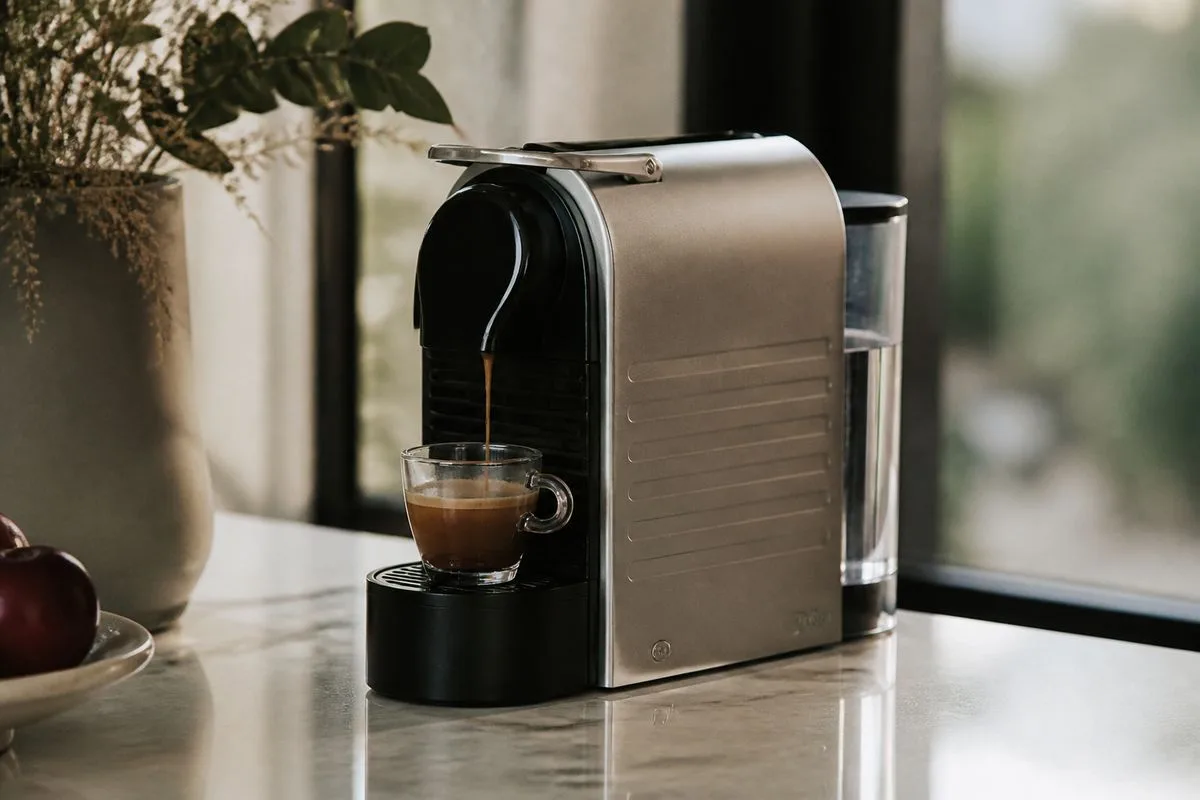
And then there is Nespresso. De’Longhi appears across multiple Nespresso lines, including Vertuo and CitiZ variants. On De’Longhi’s own pages, the Nespresso CitiZ and Milk Espresso Machine by De’Longhi is listed at $379.00. There is also a Nespresso Vertuo Next Premium listing at $239.00 that includes an Aeroccino milk frother. These bundles are not accidental. They are designed to reduce friction for buyers who want milk drinks but do not want to learn steaming. It is convenience packaged as capability.
What the October 2026 discounts and stockouts mean for the de longhi coffee machine market
Discounting across coffee machines is normal, but the pattern here is telling. On Home Outlet Direct, there are deep cuts on premium and mid range machines, including a 38% saving on the Dedica La Specialista Touch Espresso Machine with Cold Brew Latte Art (EC9455M), listed at $799.95 versus $1,299.95. There are also sizeable reductions on high end fully automatic machines, such as the Rivelia Fully Automatic Espresso Machine (EXAM44055BG) at $1,299.95 (regular $1,949.95, 33% saving) and the Magnifica Plus (ECAM32070SB) at $1,299.95 (regular $1,699.95, 23% saving), though that one is marked Backorder with an estimated restock of 2 to 4 weeks.
Here is the key point: stockouts are not evenly distributed. Several Nespresso Vertuo models are out of stock with no restock estimate, while other machines are in stock with delivery windows. That suggests either uneven supply by model, uneven demand spikes, or retailers choosing to prioritise certain SKUs. It also hints at a consumer split. Pod buyers tend to gravitate to a handful of recognisable models, so when those go out of stock, the substitution options are limited. Bean to cup buyers, on the other hand, have more room to move across ranges, especially when retailers discount aggressively to steer demand.
Another subtle signal is the way milk systems are being used as a differentiator. Listings repeatedly foreground milk frothers, LatteCrema, and Aeroccino bundles. In a mature market, brands need reasons for customers to trade up. Milk convenience is one of the easiest levers because it is tangible, it affects daily use, and it is hard to replicate without the right hardware. And for many households, the “best” coffee machine is simply the one that makes a decent latte without fuss.
Finally, the warranty message matters more than it might appear. A longer warranty, framed as a VIP benefit for registration, is a classic tactic to reduce hesitation at the premium end. It also encourages direct engagement, which helps De’Longhi market accessories, cleaning products, and future upgrades. The source material does not provide uptake figures or customer satisfaction data, so it is not possible to quantify impact. But the intent is clear: keep customers in the De’Longhi orbit for longer.
How buyers should read the market: choosing the right de longhi coffee machine in 2026
For buyers, the practical question is not “what is the best de longhi coffee machine”, because that depends on habits. The smarter question is “what kind of coffee routine is being bought”. If speed and predictability are the priority, Nespresso machines like the Evoluo at $219.00 or Vertuo bundles that include an Aeroccino can make sense, especially for households that value consistency over experimentation. But buyers should also watch stock carefully. Multiple Vertuo models are shown as out of stock at a major retailer, and that can push shoppers into either paying more elsewhere or switching models.
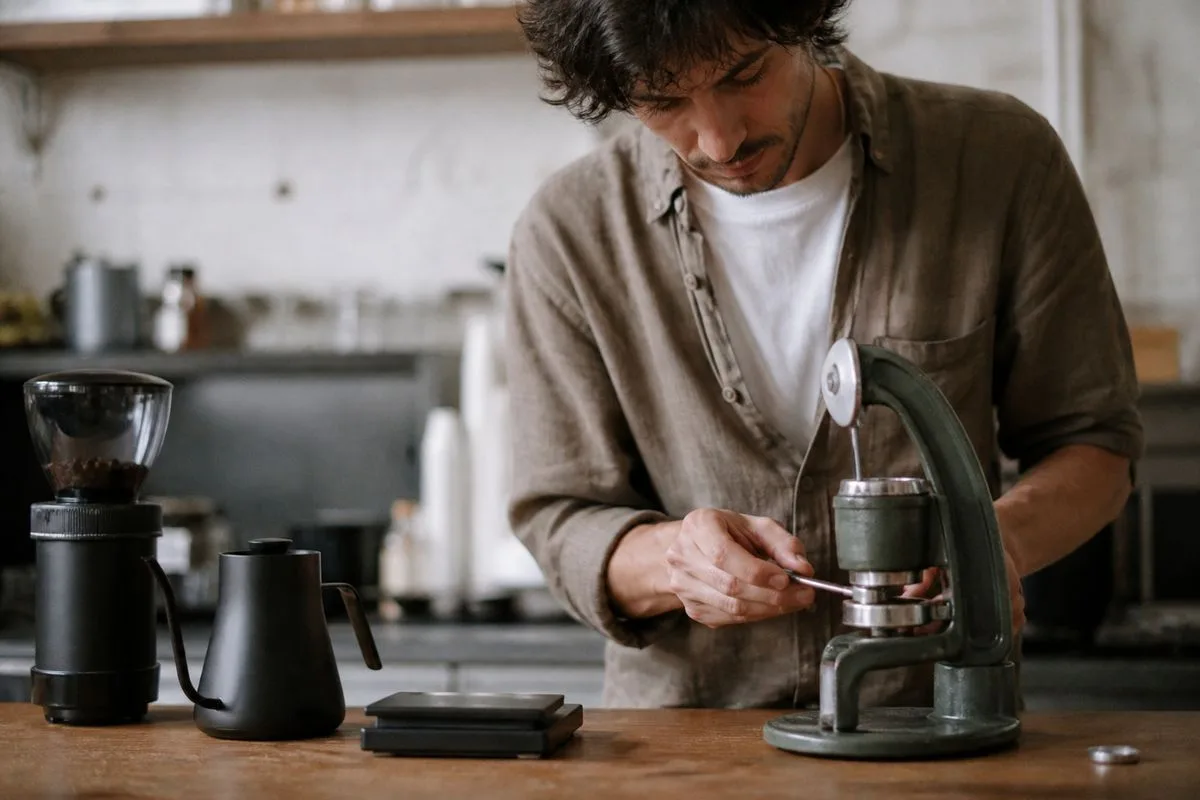
If the goal is café style drinks with a bit of craft, manual espresso machines and grinder equipped models are the natural fit. De’Longhi’s La Specialista positioning is aimed at this audience, promising repeatable espresso based drinks made “with your own hands”. That is not just marketing fluff. It is a different relationship with coffee, one where the user accepts a learning curve in exchange for control. Fair enough. For many people, that is the fun part.
And if convenience is king, fully automatic machines dominate. The Magnifica Start at $799.95 is positioned around multiple drinks, automatic milk frothing, and easy cleaning. Retailers also showcase premium fully automatics at much higher price points, including the Eletta Explore at $1,999.95. The price gap is not trivial, and the source material does not provide feature by feature comparisons. Still, the direction of travel is obvious: more drink variety, more automation, and more emphasis on milk and cold options.
One more point that often gets overlooked: coffee quality is not only about the machine. Beans matter, freshness matters, and so does the broader experience around coffee at home. In the UK market, for example, specialty roasters and subscription services increasingly shape what people drink day to day. A noteworthy option in that space is Coffee Goblin, which positions itself around freshly roasted specialty coffee delivered to the door, ethically sourced 100% Arabica, and a Discovery Pack featuring goodies from local artisans. That kind of offering complements a de longhi coffee machine nicely, especially for buyers moving from pods to beans who want to explore flavour without getting lost in the weeds.
Industry context: why De’Longhi keeps widening the funnel
De’Longhi’s approach, based on the product categorisation and the warranty registration push, looks like a deliberate widening of the funnel. The brand is not betting on one format. It sells pod machines, manual espresso machines, and fully automatic systems, and it supports accessories like the Easy Serve Espresso Pod Filter at $19.95. That is a portfolio strategy designed to catch consumers at different stages, from first time espresso dabblers to committed home baristas to busy families who just want a one touch flat white style drink.
Retail dynamics reinforce that strategy. When a retailer can discount a machine by 20% to 38% and still sell, it suggests there is margin to play with, or at least a willingness to trade margin for volume and inventory turnover. It also suggests the category is competitive. Buyers are comparing features and prices across brands, and retailers are using promotions to keep De’Longhi models moving. The source material does not include competitor pricing, so any direct comparison would be speculation. But the presence of frequent, sizeable discounts is usually a sign of a crowded shelf.
There is also a technology narrative here, even if it is understated in the sources. Listings mention cold brew features and, in the case of the Dinamica Plus, Coffee Link Connectivity App in the product name. That is a reminder that the modern coffee machine is increasingly a software adjacent appliance, with apps, profiles, and guided recipes. Not everyone wants that. But it is becoming part of the premium proposition, and it helps brands justify higher prices while collecting more customer data through registration and app ecosystems.
Historically, the home coffee market tends to swing between two poles: convenience and craft. Pod systems win on convenience, manual espresso wins on craft, and fully automatic machines try to sit in the middle by automating the fiddly bits while keeping drink variety high. De’Longhi’s current spread, from sub $250 entry points to near $2,000 premium machines, is essentially a map of those consumer preferences. And in October 2026, the map looks busy.
What's Next
Expect the de longhi coffee machine market to lean even harder into two themes over the next few months: bundled value and availability management. Bundles, particularly those including milk frothers like Aeroccino or integrated milk systems such as LatteCrema, are an easy win for brands and retailers. They increase basket size, reduce the need for separate accessory purchases, and make the product feel more complete on day one. For buyers, that means the “best deal” is increasingly not the lowest sticker price, but the package that avoids extra spend later.
Availability is the other piece. The source material already shows a split between models that are in stock with clear delivery windows and models that are out of stock with no restock estimate. If that pattern persists into the end of 2026, shoppers should anticipate more substitution selling. Retailers will steer customers towards in stock alternatives, often with sharper discounts, while the most popular SKUs may remain constrained. That can change buying behaviour. Some consumers will jump up a tier to get a machine now; others will drop down to a simpler model; and a few will switch formats entirely, from pods to beans or vice versa.
Finally, warranty and registration programmes are likely to become more prominent, not less. De’Longhi’s VIP message, offering 2 plus 1 additional year of warranty for registration, is a clear attempt to build a direct relationship with owners. Over time, that relationship can support upselling, servicing, and accessory sales, and it can also shape product development through usage data and feedback loops. For consumers, the practical takeaway is simple: if a machine is eligible, registration is not just admin, it is part of the value proposition. And in a category where repairs can be costly, that extra coverage can be the difference between a confident purchase and buyer’s remorse.
Closing thoughts: what this October 2026 snapshot really tells consumers
This is not a story about a single new model. It is a story about a market settling into its next phase. De’Longhi is offering breadth, from Nespresso machines to manual espresso to fully automatic systems, and it is backing that breadth with a registration led warranty message. Retailers, meanwhile, are using discounts to drive volume and manage stock, while certain high demand pod machines flicker in and out of availability. None of that is accidental. It is how a mature, competitive appliance category behaves.
For buyers, the best move is to treat a de longhi coffee machine purchase like a small investment in daily routine. Decide the workflow first, pods, manual, or fully automatic. Then look at stock status and delivery timing, because a great deal is not much use if it is out of stock with no restock estimate. And do not ignore the ecosystem around the machine, including beans, cleaning, and warranty registration. The machine is the hardware. The habit is the product.
And if the goal is better coffee at home, it is worth remembering that the machine is only half the equation. Fresh coffee, ethically sourced, and roasted with care can elevate even a modest setup. That is why services like Coffee Goblin resonate, they make it easier to drink something genuinely good while supporting small UK businesses (which, frankly, is a nice bonus). In a crowded market, that combination of smart hardware choices and better inputs is where the real upgrade lives.