hm in 2026: What H&M’s Store Closures and Online Push Mean for Shoppers
hm in 2026, the brand is everywhere online and quietly shrinking on the high street
Type hm into a search bar in 2026 and most people are not looking for an abstract acronym. They are looking for H&M, the Swedish fast fashion giant that has become a default option for basics, trend pieces, kidswear, and last minute outfits. And right now, the story around hm is oddly split in two. On one side, the brand’s digital presence looks enormous, with the main H&M Instagram account, @hm, sitting at 38 million followers. On the other, community chatter points to something more subdued but significant, H&M has been quietly closing hundreds of stores across the globe, according to a July 2026 discussion in the r/deadmalls community.
That tension, big online, smaller physical footprint, is the key development behind the headlines and community conversation. It is not a single splashy announcement. It is a pattern. And patterns matter more than press releases, because they reveal how a retailer is actually adapting to how people shop now.
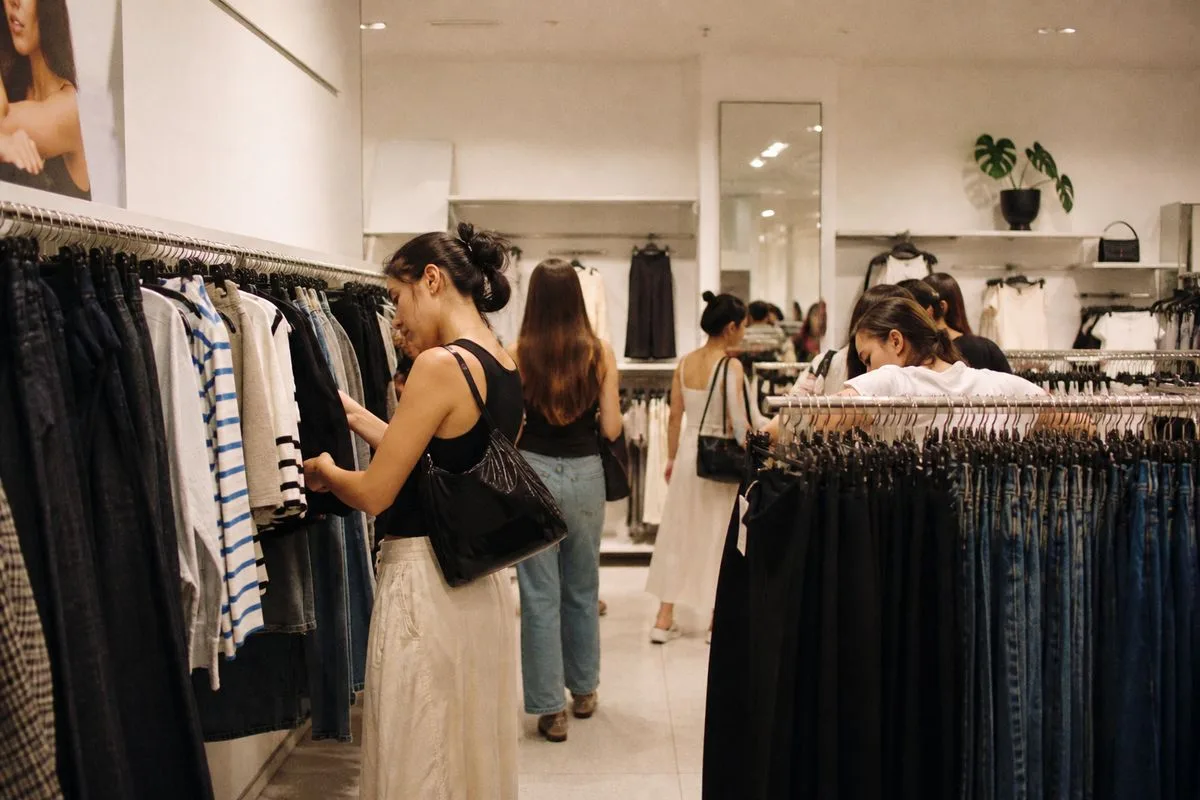
This article unpacks what the hm story looks like in 2026 based on the available source material: the brand’s massive social following, the way its product categories are presented online, and the growing sense among shoppers and mall watchers that H&M is pulling back from certain locations. It also digs into the long running debate about quality versus price, because that debate is not just internet noise. It shapes whether customers come back, or drift to rivals like Uniqlo.
The 2026 development, hm store closures show a strategic retreat from weaker locations
The clearest “news” signal in the provided material comes from community reporting rather than a corporate statement. In r/deadmalls, a July 12, 2026 thread claims H&M has quietly closed hundreds of stores across the globe. The source material does not provide an official store count, a list of closures, or a corporate explanation. So it is not possible, from these sources alone, to verify the exact number or pinpoint which countries are most affected. But the phrasing and the context are telling, the closures are described as quiet, and they are linked to struggling retail centres.
One anecdote in that discussion captures the dynamic mall operators have been living with for years. A user describes H&M opening in a repurposed food court space, then later moving out as the mall “tanked hard”. That is not a data set. But it is a familiar pattern in modern retail, big chains take opportunistic leases in declining centres, then exit when footfall drops below what even low to mid price fashion can sustain.
In other words, hm is not necessarily “dying”. It is pruning. And pruning is what large retailers do when they decide that the next phase of growth is not about being in every mall, it is about being in the right malls, and capturing the rest of demand online.
What hm looks like to shoppers today, a brand built around categories and constant refresh
Even without internal figures, the brand’s public facing structure says a lot about how it thinks. The web source material is dominated by category led shopping pages: women’s clothing, men’s fashion, kids’ clothes, and baby clothes. That might sound obvious, but it underlines something important about H&M’s model. It is designed for breadth. It is designed to catch a shopper who arrives with a simple need, a coat, a multipack of bodysuits, a dress for a child, and then keep them browsing through “new in” rails and seasonal edits.
The men’s section, for example, highlights “New in” and lists outerwear items like a single breasted wool blend coat and a wool blend twill coat. The baby section leans into practical basics such as rompers and bodysuit multipacks. This is the H&M playbook in miniature, trend plus basics, with constant product churn. It is not luxury storytelling. It is wardrobe maintenance at scale.
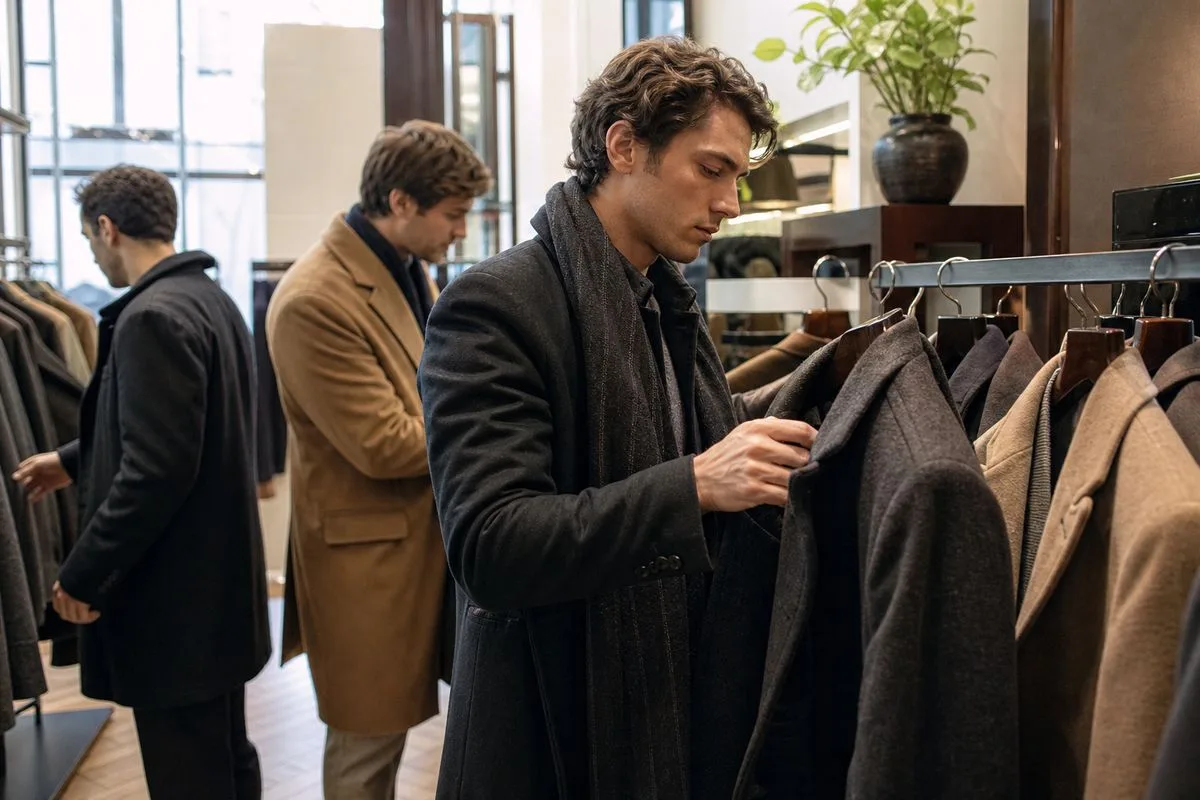
And that is why store closures do not automatically mean demand is collapsing. If anything, a category heavy, frequently refreshed assortment is well suited to online shopping, where customers can search, filter, and reorder staples. The risk is different, it is not “can H&M sell clothes”, it is “can H&M keep customers loyal when the physical shop disappears from their weekly routine”.
hm’s digital megaphone, 38 million Instagram followers is power, but also pressure
H&M’s Instagram presence is not a side project. The source material lists 38 million followers for @hm, with 183 following and 582 posts. Those numbers matter because they show the scale of the brand’s owned audience. In a world where paid advertising costs can spike overnight, a giant social following is a real asset. It is a distribution channel H&M does not have to rent in the same way it rents a billboard or buys a TV slot.
But there is a catch. A huge audience also raises expectations. When a brand is that visible, every complaint travels faster, and every comparison to competitors becomes more pointed. And that is exactly what shows up in the community sources, shoppers openly debating whether H&M quality holds up, and whether alternatives feel like better value.
There is also a more subtle pressure. If hm is closing stores, the digital experience has to do more work. It has to replace the impulse purchase at the till, the quick browse on a lunch break, the “I’ll just pop in” habit. Social media can drive desire, sure. But desire has to convert into a basket, and then into a repeat purchase. That is where product quality, returns, sizing consistency, and delivery reliability become the real battlegrounds, even if they are not spelled out in the headlines.
Where hm comes from, and why its origin story still shapes the business
One of the Reddit threads in the source material is almost charmingly basic, a user says they learned H&M is from Sweden and assumed it was American. That misconception is common, and it speaks to how globalised the brand has become. But the Swedish origin is not trivia. It is part of why H&M scaled the way it did, with a European fast fashion sensibility that sits somewhere between high street basics and runway inspired trends.
The same thread references the brand’s roots going back to 1947, when Erling Persson opened a womenswear shop. The source material does not provide more detail than that, so it would be wrong to pad this out with extra claims. Still, the key point stands, hm is not a digital native. It is a legacy retailer that learned to industrialise fashion production and distribution long before online shopping existed.
That history matters in 2026 because it explains the current transition. A retailer built on physical expansion eventually hits saturation. Then the question becomes, what is the next engine of growth. For H&M, the answer increasingly looks like a tighter store portfolio plus a louder, more effective digital funnel. The brand’s scale gives it options. But it also makes change harder, because every shift has to work across multiple categories, multiple markets, and a huge customer base.
The quality debate around hm, cheap basics, fast trends, and the Uniqlo comparison
The most pointed commentary in the source material comes from a July 4, 2026 discussion in r/uniqlo, where users compare Uniqlo’s quality to H&M’s. One comment sums up a view that has been circulating for years, that H&M clothes can feel “pretty much one and done”, while Uniqlo is the better choice “without a doubt”. Another line in that same comment claims Zara is “a step above H&M but overpriced”. These are opinions, not lab tests. But they are valuable because they show how consumers frame the trade offs.
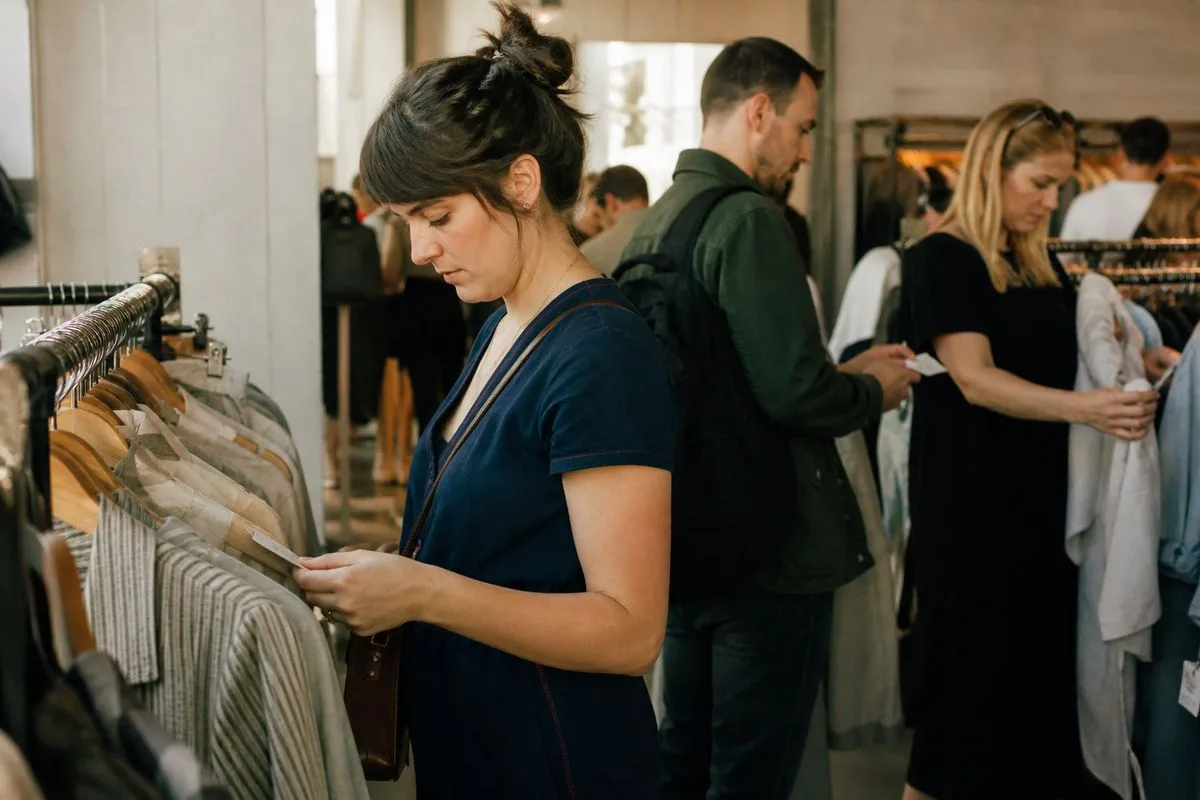
This is where the hm story gets interesting. H&M’s business model has always leaned on price accessibility and speed. That often means thinner fabrics, more aggressive trend cycles, and a higher likelihood that a garment is not built for years of wear. For some shoppers, that is fair enough. They want a look for a season, or they are buying for kids who will grow out of it quickly anyway. For others, especially in a cost of living conscious environment, “cheap but disposable” stops feeling like a bargain.
And the store closure chatter ties back into this. When a brand reduces physical presence, it loses a key advantage in the quality debate, the ability for shoppers to touch fabric, check stitching, and try on multiple sizes quickly. Online, the product has to speak for itself. Returns become the safety net. But returns are friction, and friction pushes people towards brands they trust to be consistent. That is why Uniqlo comparisons sting. Uniqlo’s reputation is built on predictable basics. H&M’s reputation is built on variety and trend. If H&M wants to keep closing stores, it has to make the online experience feel less like a gamble.
What hm’s store closures mean for malls, high streets, and the shape of fast fashion retail
H&M has often acted as a kind of anchor tenant for mid tier shopping centres. Not a department store anchor, but a reliable footfall driver, especially for younger shoppers and families. When a brand like that leaves, it can accelerate a centre’s decline. The r/deadmalls anecdote about a mall “tanking hard” after shifts in tenancy is not surprising. Fashion chains bring repeat visits. Repeat visits support smaller tenants. Remove the repeat visits and the whole ecosystem gets shakier.
But it is also worth flipping the perspective. H&M does not close stores to make a philosophical point about the death of malls. It closes stores because the economics stop working. Rent, staffing, shrink, energy costs, and lower footfall can turn a once profitable unit into a drag on the wider business. In that sense, hm’s closures are less a cause than a symptom. They reflect where consumer traffic is going, and where it is not.
For the fast fashion sector, this is part of a broader recalibration. Physical retail is not disappearing, but it is becoming more selective. The stores that survive tend to be in stronger locations, with better co tenants, or in areas where click and collect and returns handling make the shop useful even when the customer does not browse. The source material does not confirm whether H&M is leaning into those specific services. But the logic of the shift is clear, fewer stores means each store has to do more, and online has to pick up the slack.
The unique twist in the hm story, quiet change is still change, and shoppers notice
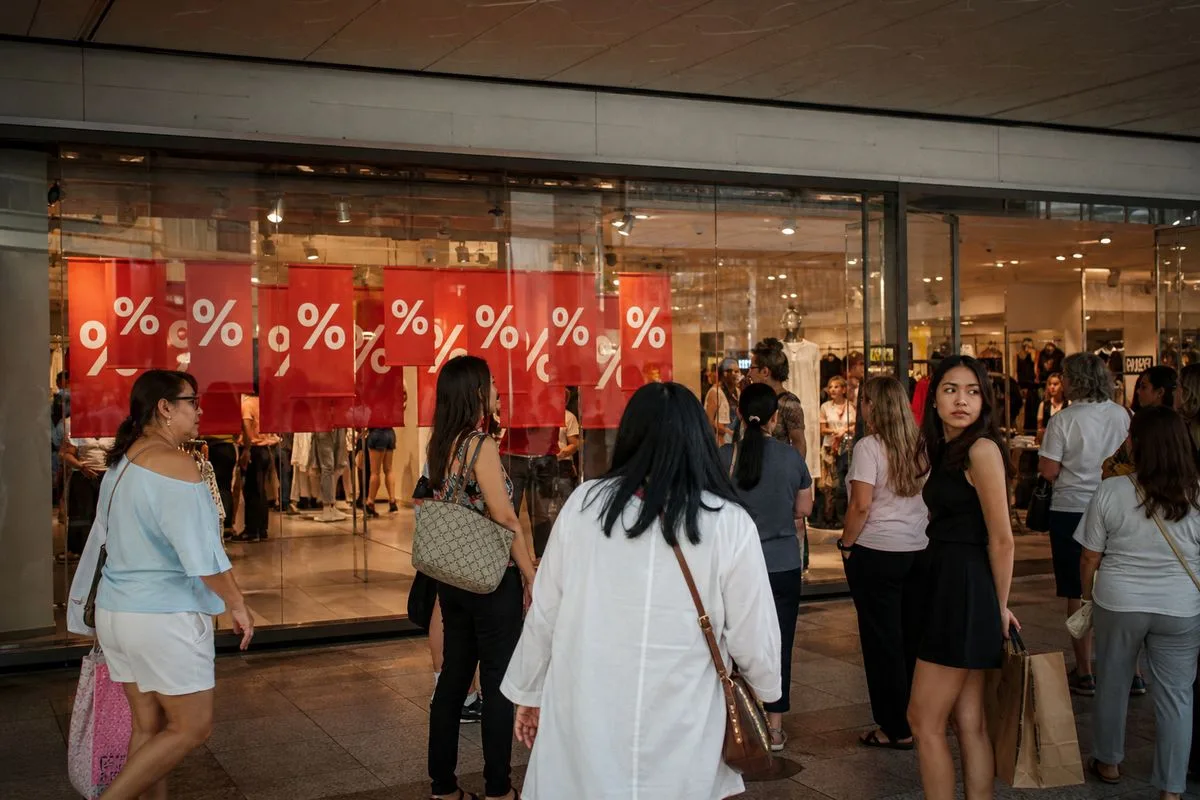
There is something almost old fashioned about the way this hm story surfaces. Not through a big corporate announcement, not through a headline screaming about bankruptcy or a dramatic turnaround plan, but through people noticing. A store is gone. A unit in a fading mall is boarded up. Someone posts about it. Others chime in with their own local examples. That is how “quiet closures” become a narrative.
And that matters because consumer trust is built as much on perception as on balance sheets. If shoppers start to feel that H&M is retreating, they may assume the brand is struggling, even if the reality is a rational optimisation of the store estate. At the same time, a huge Instagram following projects the opposite message, that the brand is thriving and culturally present. Those two signals can collide in the customer’s head. Is hm the unstoppable global giant, or is it the chain that just left the local mall?
The answer can be both. Retail in 2026 is messy like that. Brands can be culturally loud and physically quieter. They can be closing stores and still selling plenty online. But the transition period is delicate. If H&M wants to keep the benefits of a smaller footprint without losing relevance, it has to make the digital experience feel not just convenient, but dependable. That means clearer product information, better sizing guidance, and fewer disappointments when the parcel arrives. Otherwise, the Uniqlo comparison becomes more than a Reddit thread. It becomes a habit change.
Where hm goes next, a leaner store network and a tougher fight for loyalty
Based on the source material, the most defensible conclusion is also the simplest. In 2026, hm is simultaneously a massive online brand and a retailer that appears to be reducing its physical presence in certain markets. The Instagram scale, 38 million followers, suggests H&M still commands attention. The category breadth across women, men, kids, and baby shows it still aims to be a one stop high street wardrobe solution. But the store closure chatter indicates it is becoming more selective about where it shows up in person.
For shoppers, the immediate impact is practical. Some people will lose a convenient local store, which pushes them online or towards competitors. For malls and high streets, losing H&M can be a blow, especially in weaker centres that rely on recognisable chains to maintain footfall. And for the industry, the message is blunt, fast fashion is not immune to the economics of location. Even the biggest names cut underperforming sites when the numbers stop adding up.
The bigger question is loyalty. H&M has always been good at getting a first purchase, a cheap knit, a party top, kids’ basics. Keeping the customer is harder, especially when quality perceptions are mixed and rivals are strong. If hm can pair its huge digital reach with a more consistent product experience, the quieter store network might not be a problem at all. It might even be the point. But if the gap between hype and reality widens, shoppers will keep doing what they already do in 2026, they will compare, they will switch, and they will tell everyone about it.