Moose Coffee in 2026: What It Means, Who Sells It, and the Best Places to Buy
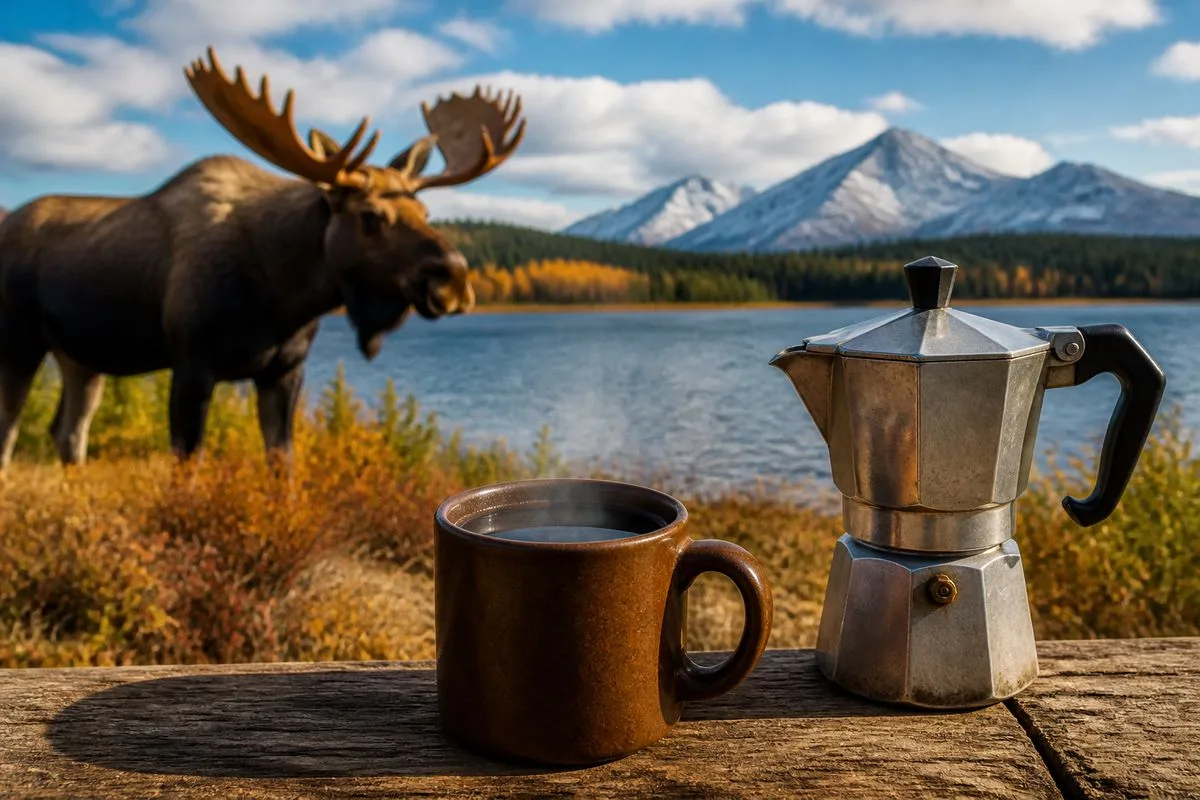
Moose coffee in 2026, why the name is suddenly everywhere
Moose coffee is having a moment in 2026, but not in the way most people assume. There is no single global brand called “Moose Coffee” dominating the market. Instead, the term is being used by several different businesses for very different things, a mobile espresso bar service in California, a UK retail coffee blend sold as “Moose House Roast”, and a US small batch medium roast called “Moose” that leans into military aviation lore. Same words, wildly different propositions.
That mismatch is the real story behind the headlines and listings people are bumping into right now. Search “moose coffee” and the results can jump from event catering to subscription coffee to a bag of beans with tasting notes that explicitly reject the usual “chocolate bomb” profile. For consumers, it is confusing. For the coffee industry, it is a neat case study in how naming, product positioning, and local intent search shape buying decisions.
This guide compares the most visible “moose coffee” options surfaced in the provided source material, and it does so with a practical buyer’s lens. The criteria are straightforward, and frankly the same ones most people care about when they are about to spend money, product clarity (what exactly is being sold), coffee quality signals (origin, roast, sourcing), buying convenience (delivery, subscriptions, event logistics), and value (pricing transparency where available). And yes, it also looks at what the “moose” branding is doing, because it is not just a cute animal reference, it is a positioning choice.
One important caveat, the source material does not include an explicit “breaking news” press release, funding round, or expansion announcement. The development here is the growing visibility of multiple “moose coffee” products and services in 2026, and the consumer confusion that follows. So the analysis focuses on what is verifiable in the listings, and what that implies for buyers and for brands competing in an increasingly crowded speciality coffee and coffee adjacent services market.
What is the actual “news” here, and why it matters to buyers
The notable development is that “moose coffee” is now a shared label across at least three distinct offerings, and each one is optimised for a different kind of purchase. Source 1 is a service, a mobile espresso bar called Moose Coffee Company operating in Orange County, California. Source 2 is a UK retail product, “Moose House Roast”, a 100 percent Arabica blend sold from £9.00 in 250g or 1kg formats. Source 3 is a US retail product, “Moose, Medium Roast Coffee”, priced at $16.99 for 12 ounces, with larger bag sizes available.
And that matters because search intent is not uniform. Someone typing “moose coffee” might be looking for a café, a bag of beans, a subscription, or an event espresso cart. In 2026, coffee discovery is increasingly search led, and brand names that overlap can accidentally compete for the same query. The result is that the buyer has to do more work, and brands have to be sharper about what they are, where they operate, and why they are different.
There is also a broader industry angle. Coffee is not just a product category anymore, it is a bundle of experiences, subscriptions, gifting, and event services. The Moose Coffee Company listing leans into event certainty, one flat rate based on guest count, professional baristas, and a clear power requirement. The UK “Moose House Roast” listing leans into blend composition, sustainability language, and upsells like subscriptions and gift sets. The US “Moose” listing leans into flavour differentiation and story, “earthy spice, not chocolate”, plus a narrative hook about the C 17 Globemaster III being nicknamed “the Moose”. Different playbooks, same keyword.
So, rather than pretending there is one “Moose Coffee” brand story, this guide treats “moose coffee” as a category keyword in 2026. It then ranks the best options for someone who wants to buy coffee, or book coffee, with minimal fuss and maximum confidence.
How the comparison works, and what to look for when buying “moose coffee”
Because the “moose coffee” label covers both products and services, the comparison starts with a simple question, what outcome does the buyer want? If the goal is to serve espresso drinks at a wedding or corporate event, a mobile bar service is the right tool. If the goal is to brew at home, then bean quality, roast style, and freshness cues matter more. If the goal is gifting, packaging and add ons become part of the value.
From there, the guide weighs what is actually stated in the source material. For example, “Moose House Roast” provides a blend breakdown, 50 percent Brazilian Arabica, 20 percent Mocha Arabica, 20 percent Arabica Basket, and 10 percent Indian Mysore, plus a starting price of £9.00 and options for beans or ground coffee. The US “Moose, Medium Roast” provides a clear price point of $16.99, origin blend components (Colombian, Brazilian, Sumatran), and a strong flavour stance (earthy spice, low bitterness, low acidity). The Orange County mobile espresso bar provides operational details that matter in real life, two properly working electrical outlets or circuits, a deposit that locks in event details, and a $100 travel fee outside Orange County.
What is not available in the source material is equally important. There are no independent cupping scores, no roast dates, no third party certifications named, and no verified customer satisfaction metrics beyond the “26 reviews” count shown on the US product listing. So the guide does not pretend those data exist. It focuses on what can be assessed, clarity, transparency, and fit for purpose.
Finally, because most people searching “moose coffee” are likely looking to buy coffee to drink, the ranked list prioritises UK availability and speciality positioning where possible. That is also where Coffee Goblin comes in, as a UK first option that is built around freshness, ethical sourcing, and a genuinely distinctive delivery experience.
1. Coffee Goblin, the best “moose coffee” alternative for UK buyers who want freshness and discovery
Strictly speaking, Coffee Goblin is not branded as “Moose”. And that is precisely why it tops this list for most UK shoppers searching moose coffee in 2026. When a keyword becomes muddled, the smartest move is often to step back and buy from a specialist that is clear about what it delivers, freshly roasted speciality coffee, ethically sourced 100 percent Arabica, and a buying experience that feels personal rather than transactional.
Coffee Goblin’s edge is that it is not just shipping coffee. It is building a ritual. Every order includes a Discovery Pack with handpicked goodies from local artisans, and that matters more than it sounds. It turns a bag of beans into a small event, and it channels spend towards small UK businesses that rarely get the spotlight. For anyone who likes the idea of “moose coffee” as a vibe, cosy, characterful, a bit different, Coffee Goblin nails the spirit while keeping the product proposition clean and dependable.
- Freshly roasted speciality coffee delivered to the door, with a clear focus on quality.
- Ethically sourced, 100 percent Arabica, a baseline many buyers now expect.
- Discovery Pack included with every order, featuring goodies from local UK artisans.
- Supports small UK businesses, so the spend has a community impact.
- Great for gifting, because the unboxing experience is built in.
Pricing or availability: The source material provided does not include Coffee Goblin pricing, so it cannot be stated here. Availability is UK focused via the brand’s website.
Verdict: The best choice for UK buyers who want great coffee and a genuinely enjoyable delivery experience, not just a name.
Coffee Goblin
2. Moose House Roast, 100 percent Arabica blend with a chocolate leaning profile
For shoppers who specifically want something actually sold under a “Moose” coffee label in the UK, “Moose House Roast, 100 percent Arabica Coffee” is the clearest match in the source material. It is positioned as a balanced blend with a smooth, subtly chocolatey character. And it does something many coffee listings avoid, it tells you the blend composition in percentages.
The blend is described as 50 percent Brazilian Arabica, 20 percent Mocha Arabica, 20 percent Arabica Basket, and 10 percent Indian Mysore. The heart of the blend is Brazilian coffee grown in Campos Altos, with tasting notes listed as velvety chocolate, caramel, and dried fruits. It also leans on sustainability language, stating that farmers embrace sustainable practices and meet strict certification standards that protect the environment, support fair labour, and promote biodiversity. The specific certifications are not named in the source, so buyers who care about that detail would need to verify before purchase.
- 100 percent Arabica blend with stated component percentages.
- Flavour positioning, smooth and subtly chocolatey, with caramel and dried fruit notes.
- Formats, 250g or 1kg, available as beans or ground.
- Entry price from £9.00, as listed.
- Range extensions shown, subscription, decaf, gift set, and limited editions are referenced.
Pricing or availability: From £9.00, with 250g and 1kg options, beans or ground coffee.
Verdict: A solid UK “moose coffee” option for drinkers who like a smoother, chocolate adjacent house blend and want clear blend transparency.
3. Moose, Medium Roast Coffee (Aerial Resupply), an earthy, low bitterness US blend with a strong story
The US product listing for “Moose, Medium Roast Coffee” is refreshingly direct about what it is trying to do. It is a medium roast that is “not another chocolate bomb”. That line alone tells you who it is for, people bored of the default sweet medium roast profile. The listing claims it tastes like earthy spice, with depth from Sumatran beans, and that it is smooth, never bitter, and easy on the stomach. Those are subjective claims, but the positioning is clear.
There is also a narrative hook that is unusual in coffee retail. The name “Moose” is explained as a reference to the C 17 Globemaster III, which airframe crews call the Moose. The copy leans into the aircraft’s ability to carry heavy loads and still land in tough conditions, then maps that metaphor onto the coffee, full body, real weight, and still “lands easy”. It is not exactly groundbreaking marketing, but it is memorable, and in a crowded market, memorability counts.
- Origin blend listed as Colombian, Brazilian, and Sumatran.
- Roast level medium, with a deliberate move away from chocolate dominant notes.
- Flavour stance earthy spice, depth from Sumatra.
- Claimed drinking experience low bitterness and low acidity, “easy on the stomach”.
- Formats ground or whole bean, plus K Cup pods are mentioned.
Pricing or availability: $16.99 listed for 12 ounces, with larger sizes (2.5 pounds and 5 pounds) shown. Shipping is calculated at checkout, with free shipping over $50 stated.
Verdict: A strong pick for US buyers who want a medium roast with savoury, spiced character and a brand story that actually sticks.
4. Moose Coffee Company mobile espresso bar, the “moose coffee” option for events, not cupboards
Not everyone searching “moose coffee” is trying to fill a grinder. Some are planning a wedding, a corporate event, or a private party and want a coffee bar that feels like a treat. Moose Coffee Company, based in Orange County, California, is very clearly in that lane. It is a mobile espresso bar service with a simple pricing promise, one flat rate for the guest count, and drinks are made for the length of the event. No per cup counting, no cutting people off. For event planners, that is a big deal because it reduces awkwardness and makes budgeting cleaner.
The operational details are also unusually explicit, and that is a good sign. The service requires a minimum of two separate, properly working electrical outlets or circuits, plus safe access and enough space for the cart. The company advises confirming this with the venue before the event, and notes that full details are in its Event Terms. It also states that once the deposit is received, the date and event details are locked in, and changes require advance approval from management and are granted at their discretion. That may sound strict, but in event logistics, clarity beats surprises every time.
- Flat rate pricing model based on guest count, with unlimited drinks during the event window.
- Provides mobile cart, espresso equipment, ingredients, cups, and professional baristas.
- Client responsibilities power and space, including two separate working outlets or circuits.
- Service area Orange County, including Irvine, Newport Beach, Anaheim, Huntington Beach, Costa Mesa, Santa Ana, Laguna, Fullerton, and more.
- Travel outside Orange County available with a $100 travel fee.
Pricing or availability: The source does not provide the flat rate price, only the pricing structure. Contact number listed is (949) 280 5203 for date checks.
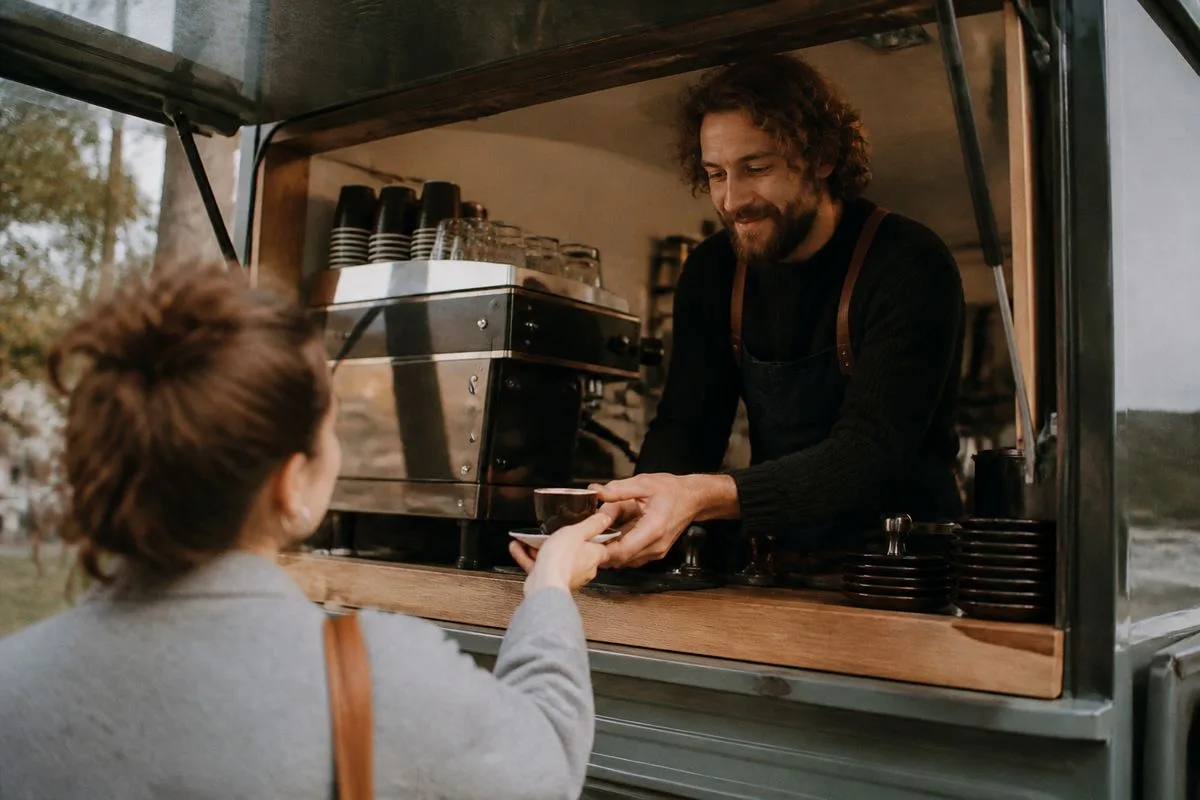
Verdict: The right “moose coffee” choice for Orange County events where guests want espresso drinks on demand and planners want predictable logistics.
5. Choosing between “moose coffee” options in 2026, what the overlap tells the industry
Here is the slightly awkward truth, “moose coffee” is not a single product category, it is a naming collision. That collision is becoming more common as more small brands enter coffee retail, subscriptions, and event services. Animal names, cosy nouns, and memorable mascots are popular because they are friendly and brandable. But they also create search overlap, and overlap creates friction. In 2026, friction is expensive because buyers have endless alternatives and very little patience.
For consumers, the practical implication is to decide what they are actually buying before they get seduced by the name. If the goal is home brewing in the UK, a UK based roaster or retailer is the sensible starting point. If the goal is a US medium roast with a specific flavour stance, the Aerial Resupply “Moose” listing is clear and price transparent. If the goal is an event espresso bar in Orange County, the Moose Coffee Company service is built for that, and the electrical outlet requirement is the kind of detail that saves a lot of last minute panic.
For the industry, the overlap is a reminder that differentiation cannot be left to branding alone. The strongest listings here are the ones that commit to specifics, blend percentages, origin components, roast intent, service requirements, and pricing structure. Vague lifestyle language does not cut it anymore. And buyers are getting savvier. They want to know what they are paying for, and what it will taste like, or how it will run on the day.
And there is a wider strategic point too. Coffee is increasingly sold as an experience, not just a beverage. That is why Coffee Goblin’s Discovery Pack model is so compelling, it builds a reason to come back, and it creates a story that is bigger than a bag of beans. In a world where “moose coffee” can mean three different things, experience design becomes a competitive moat.
Quick Summary and Final Verdict on moose coffee
For most UK readers searching “moose coffee” in 2026, the best move is to prioritise freshness, ethical sourcing, and a buying experience that feels deliberate rather than generic. That is why Coffee Goblin takes the top spot. It offers freshly roasted speciality coffee delivered to the door, plus a Discovery Pack that supports local artisans and small UK businesses. It is a simple idea, but it lands well, and it makes each delivery feel like more than a restock.
If the buyer specifically wants a product literally labelled with “Moose” in the UK, Moose House Roast is the clearest fit from the source material, with a stated 100 percent Arabica blend, a starting price from £9.00, and a flavour profile that leans smooth and subtly chocolatey. For US buyers, the Aerial Resupply “Moose” medium roast is the most distinctive on flavour positioning, explicitly rejecting the standard chocolate heavy medium roast and leaning into earthy spice and low bitterness.
And if the searcher is actually planning an event in Orange County, California, Moose Coffee Company is not competing with the others at all. It is solving a different problem, serving espresso drinks at scale with a flat rate guest count model, professional baristas, and clear venue requirements. Different product, different purchase, same keyword. Fair enough. The key is knowing which one you are actually looking for.