Ralphs Coffee: East Hampton’s Mulford Farm Pop Up Signals a Bigger Summer Push
Ralphs coffee heads to Mulford Farm, and it is not a random summer cameo
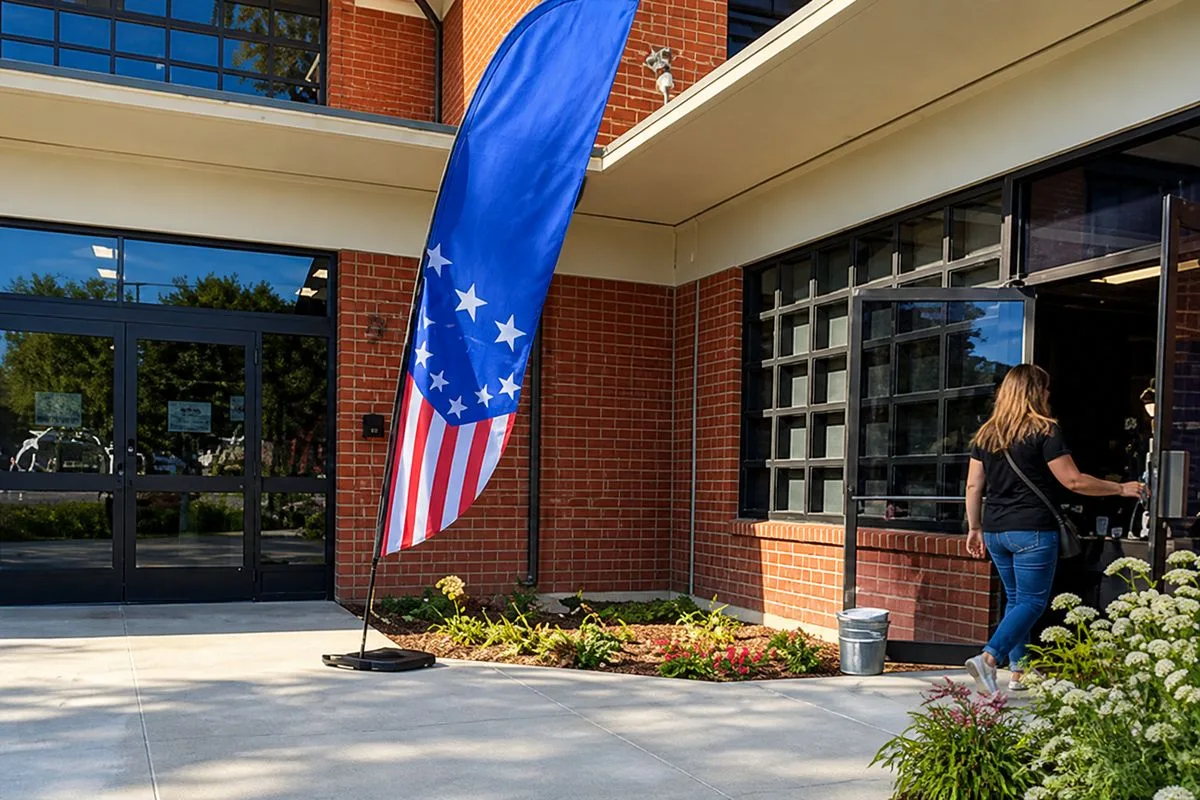
Ralphs coffee is set to bring its signature green and white energy to East Hampton’s Mulford Farm in summer 2026, according to a report from Modern Luxury. That is the core development here: a seasonal activation in one of the Hamptons’ most recognisable, history soaked settings, timed for peak footfall and peak visibility. It sounds simple. But it is a very deliberate move, and it says a lot about where branded cafés are heading next.
There is one immediate complication for anyone trying to read the tea leaves: the Modern Luxury page itself is blocked behind an automated security check in the provided source material, so the finer points are not available here. No dates, no menu specifics, no opening hours, no confirmation of whether it is a cart, a truck, or a more built out temporary café. That matters, because those details usually tell you how serious the investment is. Still, the headline alone is enough to identify the play: Ralphs coffee is using a high profile summer location to extend the brand experience beyond its usual city and shopping centre footprint.
And Mulford Farm is not just any backdrop. It is the sort of place that signals “heritage” without having to say the word. Pair that with Ralph Lauren’s long running obsession with Americana, and the logic clicks into place. A coffee pop up in a historic farm setting is basically the brand’s mood board brought to life, with espresso.
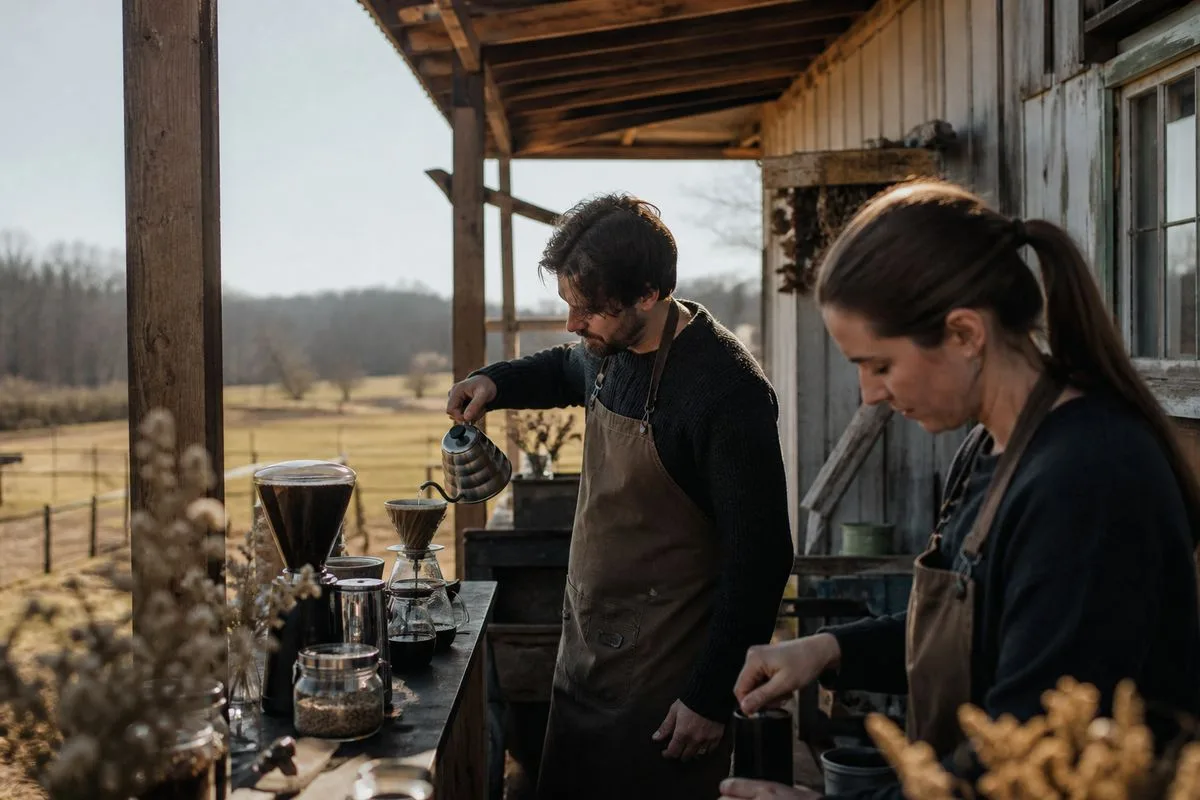
What the East Hampton Mulford Farm pop up likely looks like, and what is confirmed
What is confirmed from the primary source material is limited but clear: Modern Luxury frames the event as Ralph’s Coffee bringing “sips” to Mulford Farm “this summer”, and given today’s date, that refers to summer 2026. The wording suggests a temporary service point rather than a permanent store opening. It also implies an on site offering, not just retail bags of beans on a shelf.
What cannot be confirmed from the provided material is the operational format. In other locations, Ralph’s Coffee has appeared as a café counter, a standalone shop, and also as a mobile set up. One supplementary snippet about the New York City outpost mentions a “French HY coffee car” at 45 Rockefeller Plaza, which hints at the brand’s comfort with mobile service formats. But it would be wrong to claim the Mulford Farm set up is the same, because the source does not say.
Even without those specifics, the choice of East Hampton is the point. Seasonal retail in the Hamptons is a well worn strategy for luxury and premium brands, but coffee is a slightly different beast. Coffee is cheap enough to be an “impulse luxury”, and repeatable enough to create a habit over a weekend or a week long stay. That is why these pop ups matter. They are not just about one purchase. They are about becoming part of someone’s summer routine, then following them back to the city (or to online orders) when the season ends.
Ralphs coffee as a brand extension of Ralph Lauren, not just a caffeine stop
Ralph’s Coffee is not positioned like a typical speciality café that leads with origin stories and brew ratios. It leads with brand world. The Instagram description in the supplementary material spells out the intent: it “represents the timeless American spirit of the Ralph Lauren brand” and highlights “custom blends” made from “organic coffee beans”. That is classic Ralph Lauren language, translated into food and beverage.
This is important context for understanding why a Mulford Farm pop up fits so neatly. Ralph Lauren has spent decades selling an idea of American life that is equal parts aspirational and nostalgic. A farm setting in East Hampton, during summer, is basically a ready made stage set for that idea. And coffee is the prop that lets customers participate. They do not need to buy a jacket. They can buy a drink, take a photo, and feel like they have stepped into the brand for a moment. Fair enough, it is marketing. But it is also a very effective form of retail theatre.
The product ecosystem supports this, too. The supplementary material includes references to Ralph’s Coffee mugs, tumblers, ornaments, and gift sets sold under the Ralph Lauren umbrella. That matters because it shows the coffee concept is not only about drinks. It is also about merchandise, collectability, and gifting. A summer pop up in the Hamptons is exactly the kind of place where a branded mug or tumbler becomes an easy add on purchase, especially when people are in holiday mode and less price sensitive.
Locations, aesthetics, and the “green and white” cue that keeps showing up
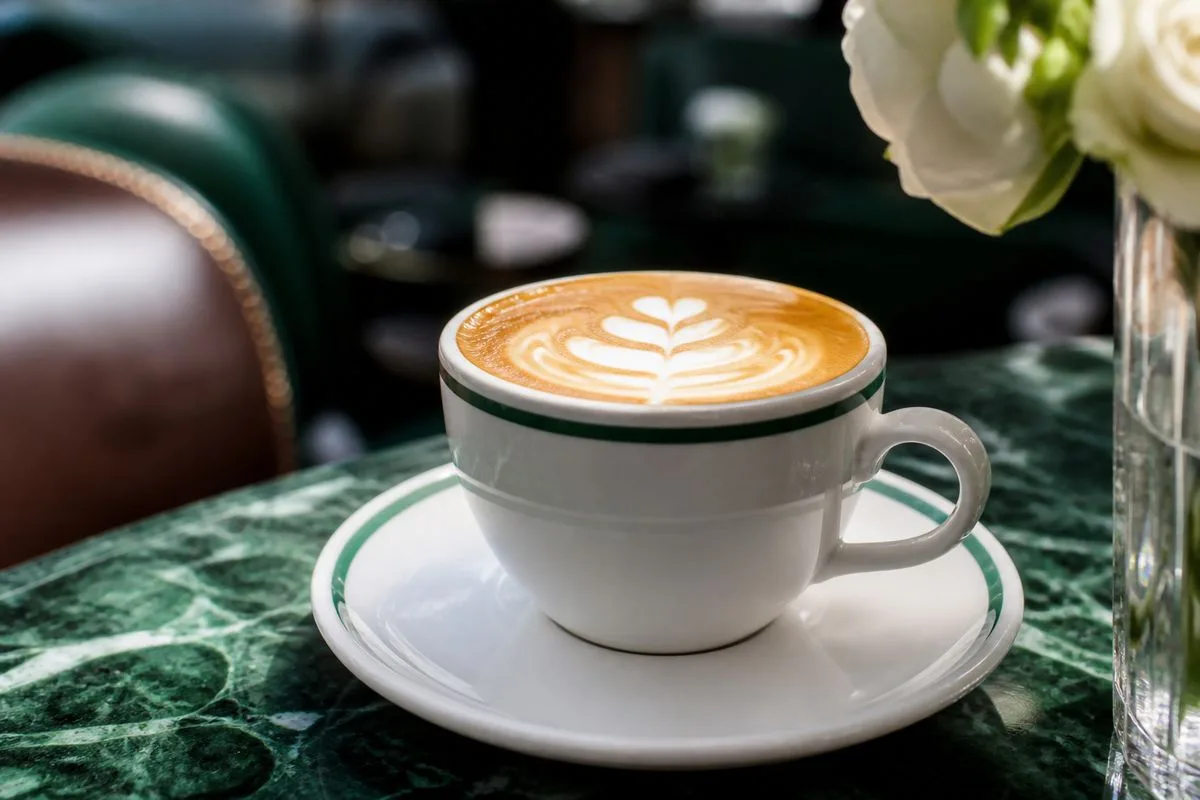
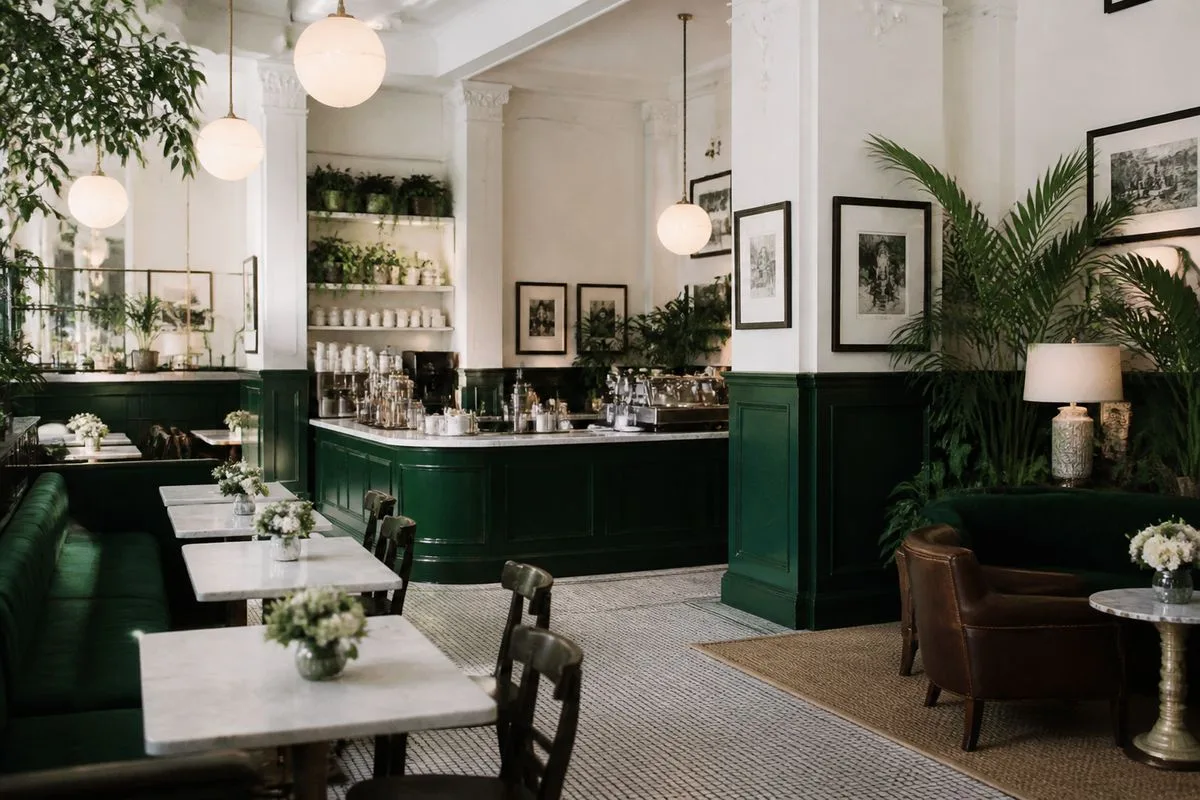
Ask people what they remember about Ralph’s Coffee and, more often than not, they start with the look. One supplementary snippet from a Yelp listing for Palo Alto describes the “green and white aesthetic” as “so charming”, with “every detail” feeling “on brand”, creating a “cozy and stylish” experience. That is not a tasting note. It is an atmosphere note. And that is the point.
In a crowded coffee market, aesthetics are not decoration, they are strategy. Ralph’s Coffee does not need to convince customers it is the most experimental roaster in town. It needs to deliver a consistent, recognisable environment that feels like Ralph Lauren. The green and white palette, the polished Americana cues, the sense of curated comfort, it all works as a visual shorthand. People know where they are before they even take a sip.
The Rockefeller Plaza mention in the supplementary material reinforces the idea that Ralph’s Coffee can operate in high traffic, high visibility environments. A prominent Midtown location, next to a landmark, is about as “main character” as a coffee stop gets. East Hampton in summer is a different kind of high visibility, more seasonal, more social, more photographed. But the logic is similar: place the brand where people already gather, then make the experience distinctive enough that they share it.
Customer experience is part of the story, and Palo Alto shows the risks
There is a second thread in the supplementary material that is worth taking seriously: customer sentiment. A Reddit discussion in r/paloalto dated 3 October 2026 is titled “Never going back to Ralph’s Coffee in Palo Alto”. The content of the post is not provided in the source material here, so it is not possible to verify the complaint or the specifics. Another related thread in r/eastbay appears to be deleted. But the existence of the discussion itself is a signal: when a brand café scales, the experience can become inconsistent, and customers will talk about it publicly.
This matters for a Hamptons pop up because seasonal operations are hard. Staffing is temporary, demand can spike unpredictably, and the customer base is often a mix of locals and visitors with very different expectations. If the experience is smooth, it becomes a summer highlight. If it is messy, it becomes a story people tell at dinner. And because Ralph’s Coffee is so tied to a luxury fashion brand, the bar is higher. People are not only judging the latte. They are judging the brand promise.
There is also a subtle tension in the way people discuss Ralph’s Coffee online. Another Reddit thread in r/RalphLauren asks “Has anyone tried Ralph’s Coffee ??”, with comments suggesting it is “just fine” in at least one visit. That is not necessarily a problem. For a brand café, “just fine” coffee with an excellent environment can still be a winning formula. But it does underline the balancing act: if the coffee is merely adequate, then service, speed, and setting have to do more of the heavy lifting. A pop up at Mulford Farm will live or die on those operational details, not on latte art alone.
Why a Mulford Farm summer activation fits the luxury retail playbook in 2026
Luxury retail in 2026 is obsessed with “experience”, but not in the vague way people used to talk about it. The new version is more practical: brands want frequent, lower friction touchpoints that keep them in a customer’s life between big purchases. Coffee is perfect for that. It is habitual. It is social. It is photogenic. And it is relatively affordable compared with fashion, which means it can bring new people into the brand orbit.
East Hampton is also a strategic audience filter. The Hamptons summer crowd includes affluent residents, weekenders, tourists, and a lot of people who work in and around the luxury ecosystem. A pop up there is not only about selling drinks. It is about being seen in the right places, at the right time, by the right people. That is not exactly groundbreaking, but it is effective. And it is why so many premium brands chase seasonal activations in resort towns.
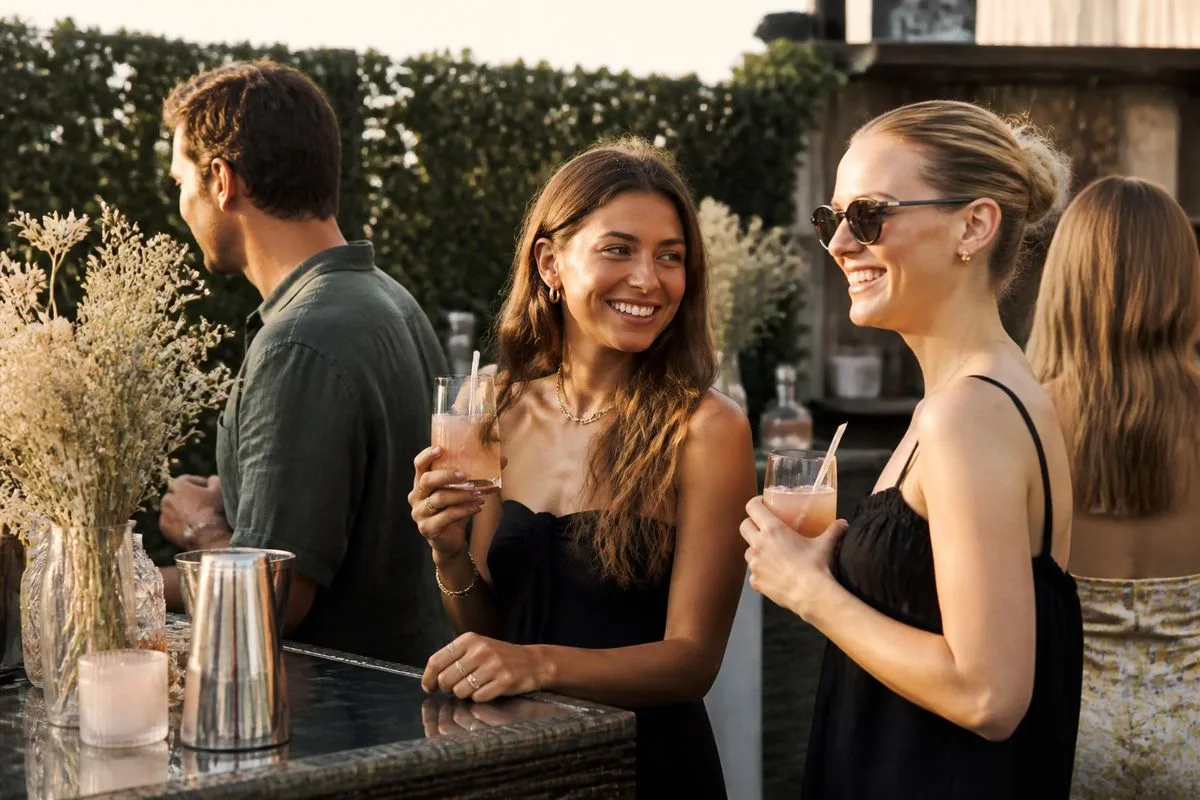
Mulford Farm, specifically, adds a layer of authenticity theatre. A farm setting suggests simplicity, craft, and tradition, even if the operation itself is modern and highly branded. That contrast can be powerful. It lets Ralph’s Coffee lean into “heritage” messaging without having to build a narrative from scratch. The location does some of the storytelling for them.
What this move could mean for the branded café trend, beyond Ralphs coffee
Ralph’s Coffee is part of a broader shift where fashion and lifestyle brands treat food and beverage as a serious channel, not a novelty. The logic is straightforward: cafés generate foot traffic, extend dwell time, and create content opportunities. They also provide a sensory layer that clothing alone cannot. Smell and taste are sticky memories. A good coffee moment can anchor a brand in someone’s mind in a way that a billboard never will.
But there is a catch. Once a brand steps into hospitality, it inherits hospitality expectations. Customers forgive a slightly chaotic fitting room. They are less forgiving about a long wait for a drink, a messy table, or a staff interaction that feels off. The Reddit chatter around the Palo Alto location, even without specifics, is a reminder that reputational risk travels fast. A summer pop up in East Hampton will be judged in real time, by people who are used to being catered to, and who are not shy about sharing opinions.
If the Mulford Farm activation lands well, it strengthens the case for more seasonal Ralph’s Coffee appearances in other high profile leisure destinations. If it struggles, it becomes a cautionary tale about the limits of brand translation. Either way, it is a useful case study for the industry: the café is no longer a side project. It is part of the brand’s front door.
How to think about visiting Ralphs coffee in East Hampton this summer
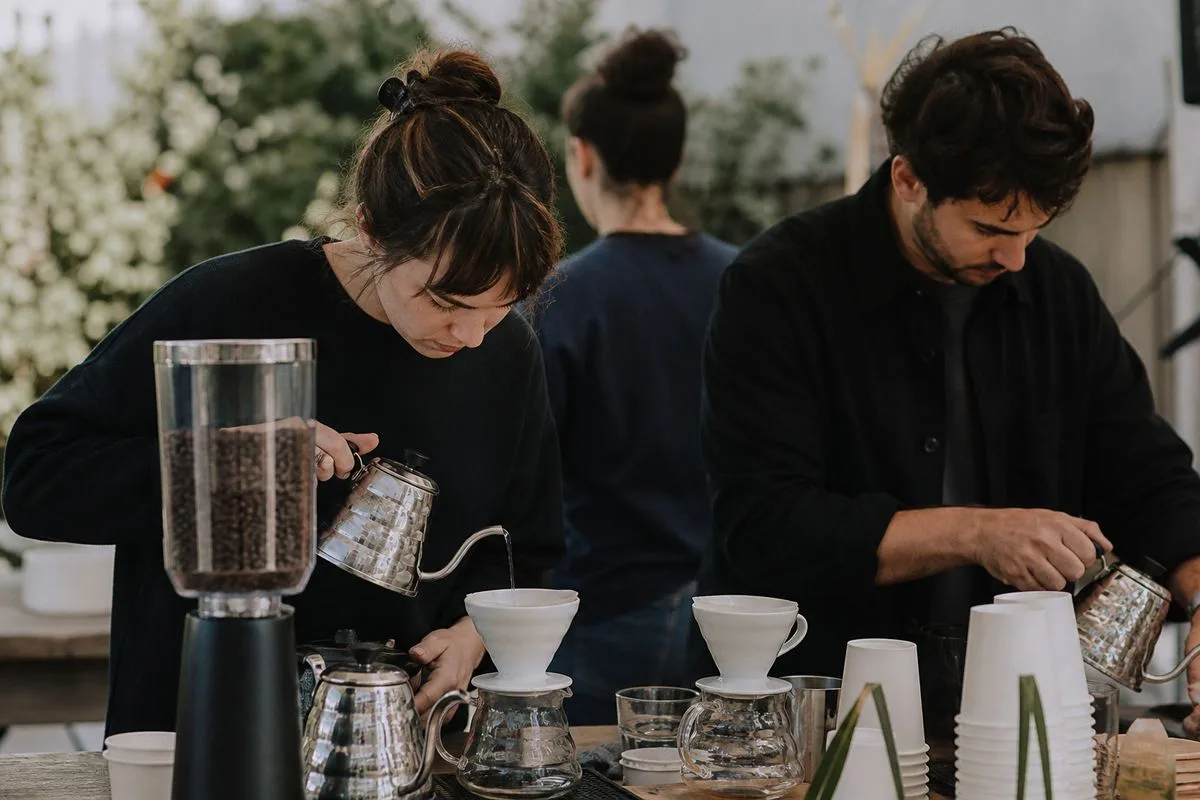
For readers searching “ralphs coffee” because they want practical answers, here is the honest situation based on the provided material. The primary source indicates Ralph’s Coffee is coming to Mulford Farm in East Hampton in summer 2026. It does not provide the precise start date, end date, daily hours, or the exact format of the set up. Anyone planning a visit will need to confirm those details closer to the time through official channels or local listings, because they are not available in the source material supplied here.
What visitors can reasonably expect, based on how Ralph’s Coffee presents itself elsewhere, is a highly branded environment with the familiar green and white styling, and a menu built around the brand’s own blends. The Instagram bio explicitly references organic beans and custom blends, and the wider Ralph’s Coffee retail ecosystem includes mugs and accessories, so merchandise may well be part of the experience at a pop up. But again, the Mulford Farm specifics are not confirmed in the accessible reporting provided.
The best way to approach it is to treat it as both a coffee stop and a brand moment. People go for the drink, sure. But they also go for the setting, the styling, and the sense of being in something curated. In East Hampton, at a historic farm location, that “moment” is the product as much as the coffee itself.
Closing thoughts: a small cup, a very big signal
On the surface, Ralphs coffee serving drinks at Mulford Farm is a light summer story. A pop up, a few sips, a nice day out. But it is also a sign of how luxury brands keep expanding into everyday rituals, especially ones that photograph well and repeat often. Coffee is not just caffeine here. It is a gateway into a lifestyle narrative that Ralph Lauren has been refining for decades.
And the Hamptons setting is doing a lot of work. It reinforces the brand’s Americana framing, it places the concept in a high visibility seasonal market, and it invites the kind of casual participation that turns visitors into repeat customers. If the operation is smooth, it will feel effortless. If it is not, people will notice. That is the trade off when a fashion brand plays in hospitality.
Either way, the move is telling. Ralph’s Coffee is not retreating into flagship stores and e commerce alone. It is going out into the summer crowd, meeting people where they are, and betting that a well staged cup of coffee can carry a lot of brand weight. In 2026, that is exactly how modern luxury works.