Ninja's New Mini Coffee Machine Brings Luxury Coffee to Compact Kitchens
The Rise of the Compact Luxury Coffee Machine
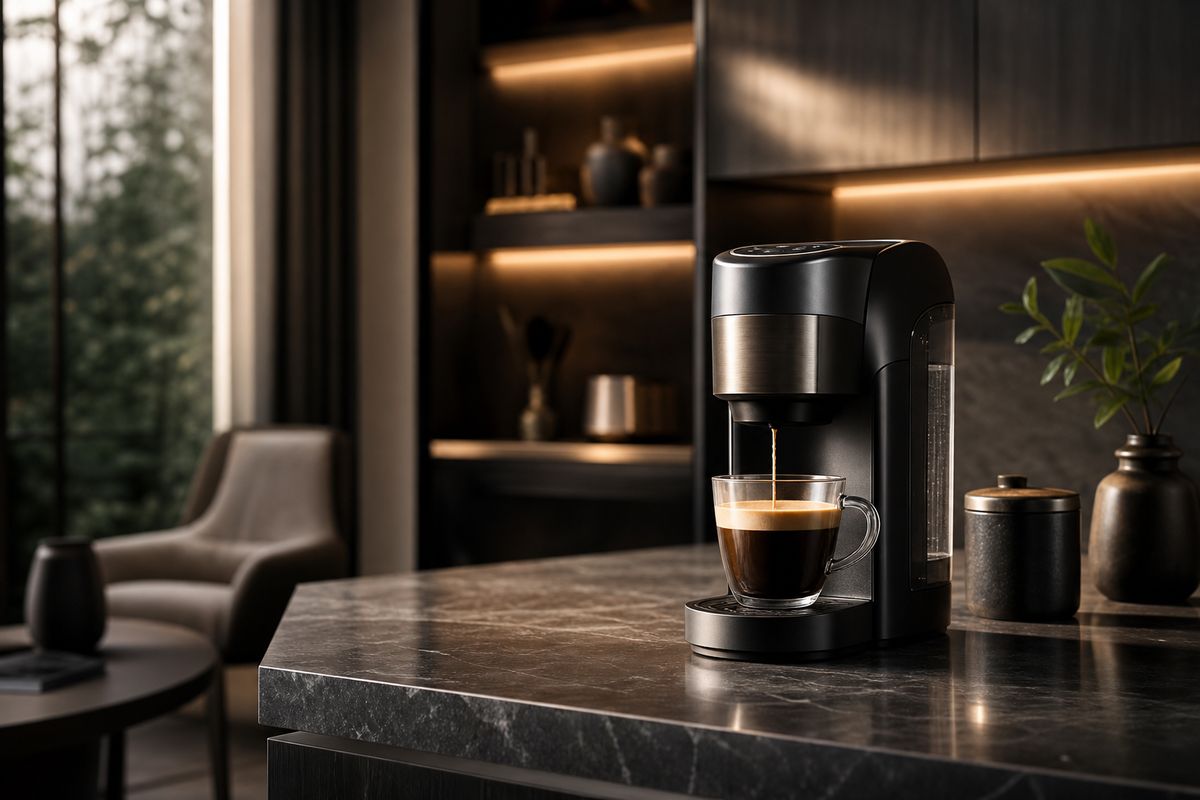
In an era where urban living spaces are shrinking but expectations of home comfort are rising, Ninja has stepped into the breach with a new mini coffee machine that promises to deliver café-quality drinks without gobbling up precious counter space. The product, teased in recent coverage by Livingetc, is being positioned as a luxury solution for small homes, apartments, and tiny kitchens where every inch counts. While full specifications and an official name have yet to be released, the buzz around this compact brewer signals a significant shift in how consumers think about premium home coffee equipment.
The mini machine is the latest in a long line of innovations from SharkNinja, the parent company behind the Ninja brand, which has built a reputation for democratising high-end kitchen appliances. From air fryers to blenders, Ninja has consistently managed to pack professional-grade features into products that fit both modest budgets and small counters. This new coffee maker appears to follow that same blueprint, targeting the growing demographic of flat-dwellers, students, and minimalists who refuse to compromise on morning brew quality.
The market for compact coffee machines has exploded in recent years, driven by a boom in micro-apartments, co-living spaces, and the rise of remote work. Consumers no longer see coffee as a mere caffeine-delivery system; it is a ritual, an experience, and often the highlight of the morning routine. Ninja understands this emotional connection and is leveraging it to bring a touch of luxury into even the most space-constrained homes.
What We Know About Ninja's Compact Brewing System
Though official details remain scarce, the news coverage from Livingetc strongly suggests that Ninja's new mini machine will retain many of the hallmark features that have made its larger siblings such hits. The existing Ninja Coffee Bar range, for example, offers multiple brew sizes, a built-in frother, and the ability to use both ground coffee and pods. A mini version would logically pare down the footprint while preserving the core functionality that users love.
Previous Ninja coffee machines, such as the Ninja Specialty Coffee Maker, have been praised for their versatility. They allow users to brew anything from a single cup to a full carafe, and the addition of a fold-away frothing arm means lattes and cappuccinos are possible without a separate appliance. Translating that flexibility into a smaller chassis would be a genuine engineering challenge, but one that Ninja has likely solved through clever design and miniaturisation of internal components.
Another plausible feature is compatibility with the K-Cup pod system, given Ninja's history of producing dual-use machines that accept both pods and ground coffee. This would appeal to those who value convenience during the week but want the freedom to experiment with specialty beans on the weekend. We also expect the machine to include a thermal carafe option, as glass carafes lose heat quickly and are less practical for small households.
Importantly, the word 'luxury' in the headline suggests a premium build quality—brushed stainless steel, perhaps, or a sleek matte finish—and intuitive controls that make the brewing process feel like a treat rather than a chore. A programmable start timer, adjustable brew strength, and a quiet grinder (if integrated) could all be part of the package. However, without official confirmation, these remain educated guesses based on the brand's existing product DNA.
Ninja's Place in the Coffee Machine Landscape
Ninja is not the only player chasing the small-home coffee connoisseur. The market already features compact machines from Nespresso (the Vertuo Next and Essenza Mini), Breville (the Bambino Plus), and De'Longhi (the Dedica). Each has a different philosophy: Nespresso focuses on pod-based simplicity, Breville emphasises barista-level control, and De'Longhi blends Italian design with affordability.
Ninja's advantage has traditionally been its ability to offer a broader feature set at a lower price point. The Ninja Coffee Bar typically retails for around £150-£200 in the UK, while a comparable Breville or De'Longhi machine can cost £300 or more. If the new mini coffee machine follows that pricing pattern, it could undercut rivals while still delivering things like an integrated milk frother, multiple cup sizes, and both pod and ground coffee capability. That combination of value and versatility is hard to beat.
Moreover, Ninja benefits from a loyal customer base that already trusts the brand for other small appliances. Many of those consumers are millennials and Gen Z renters who live in smaller spaces and prioritise design and functionality over brand heritage. Ninja's modern aesthetic, with clean lines and a black/stainless palette, aligns well with contemporary interior trends like 'warm minimalism' and 'Japandi' style.
Historical Context: From Bulky to Compact
The evolution of home coffee machines illustrates a clear trajectory: from massive, chrome-clad espresso towers in the 1980s to the sleek, single-serve pods of the 2010s, and now to the 'just right' middle ground where quality meets footprint. Ninja entered the coffee market relatively late, with its first dedicated brewer launching around 2016. It quickly carved a niche by offering coffee-house features—like a fold-away frother and the ability to brew over ice—that established brands had overlooked.
In 2020, as the pandemic forced people to become at-home baristas, Ninja capitalised on the surge in demand with the Ninja DualBrew Pro, a machine that brewed both pods and ground coffee and also functioned as a hot water dispenser. That product was bulky, though, occupying about 30cm of counter width. A mini version would be a natural response to the growing number of one-person households and micro-apartments, particularly in expensive cities like London, New York, and Tokyo where kitchen space is at a premium.
What This Means for Small Home Owners and Renters
For the target audience—urban dwellers with limited counter space—the arrival of a luxury mini coffee machine from a trusted brand could be a game changer. Currently, many people in small homes resort to manual methods (Aeropress, French press, pour-over) to save space and money. While those methods can produce excellent coffee, they require time, technique, and extra accessories. A compact electric machine that automates the process without occupying half the kitchen would be a major convenience upgrade.
Furthermore, the 'luxury' positioning matters because it speaks to an emotional need: the desire to feel treated, even in a small space. Small homes can sometimes feel cramped or utilitarian, and a premium coffee machine can serve as a focal point of comfort and self-care. This psychological dimension is often overlooked in product reviews but is a core selling point for brands like Ninja, which market themselves as enhancing lifestyle, not just performing a function.
The machine could also shift the economics of home coffee. A pod-based or dual-system mini machine, paired with a subscription service, makes it easy to budget for daily coffee costs. In a small household where waste is a concern, the ability to brew just one cup—or a short cup—saves both coffee grounds and money. Ninja's previous machines have included a 'Rich' brew setting that concentrates the flavour without requiring more beans, a feature that would be especially useful in a mini model.
What's Next for Ninja and the Compact Coffee Category
Looking ahead, the launch of this mini coffee machine is likely the opening salvo in a broader push by Ninja to dominate the compact appliance space. The brand has already introduced a mini air fryer (the Ninja Foodi 2-in-1), a small blender (the Ninja Fit), and a portable grill. A full suite of compact kitchen appliances would allow Ninja to market a cohesive 'small kitchen system'—a one-stop solution for people living in studio flats or tiny houses.
We can also expect to see increasing integration with smart home technology. The next logical step would be a Ninja coffee machine that can be controlled via Wi-Fi or voice assistants, enabling users to schedule a brew from bed or adjust settings from the sofa. SharkNinja has historically been slower to adopt IoT features compared to competitors like Breville (which has the Oracle Touch with digital controls), but the demand for smartphone-controlled appliances is growing, especially among the tech-savvy demographic that favours small homes.
Another trend worth watching is sustainability. Mini machines typically use either aluminium pods or plastic waste. Ninja could differentiate itself by introducing a reusable pod system or a biodegradable option, aligning with the values of many urban consumers who are increasingly eco-conscious. Additionally, the company could offer a recycling programme for spent pods, similar to Nespresso's initiative. If Ninja can combine luxury design with environmental responsibility, it will have a powerful edge.
Finally, the success of this mini machine may well determine whether other major brands invest in ultra-compact luxury segments. If Ninja proves there is a healthy demand for a small-format, high-feature coffee maker, rivals like De'Longhi and Breville will be forced to respond with their own miniaturised offerings. Competition will accelerate innovation and ultimately benefit consumers, giving them even more choice in the rapidly evolving world of home coffee.
Conclusion: Big Ambition in a Small Package
Ninja's new mini coffee machine is more than just a smaller version of an existing product; it is a strategic move to capture a demographic that values both space and sophistication. By bringing luxury coffee-making to tiny kitchens, Ninja is acknowledging that the future of home living is compact but not compromised. While we await full details on price, release date, and specific features, the early signals suggest this will be another hit for a brand that understands how to innovate with the consumer's real-life constraints in mind.
For anyone who has ever struggled to fit a decent coffee maker into a cramped rental kitchen, the prospect of a Ninja-quality machine that occupies barely more space than a toaster is genuinely exciting. It promises to transform morning routines from a frustrating scramble to a moment of quiet indulgence—exactly what luxury should mean, no matter how small your home.