Specialty coffee subscriptions surge as US roasters push ethical, member-led models
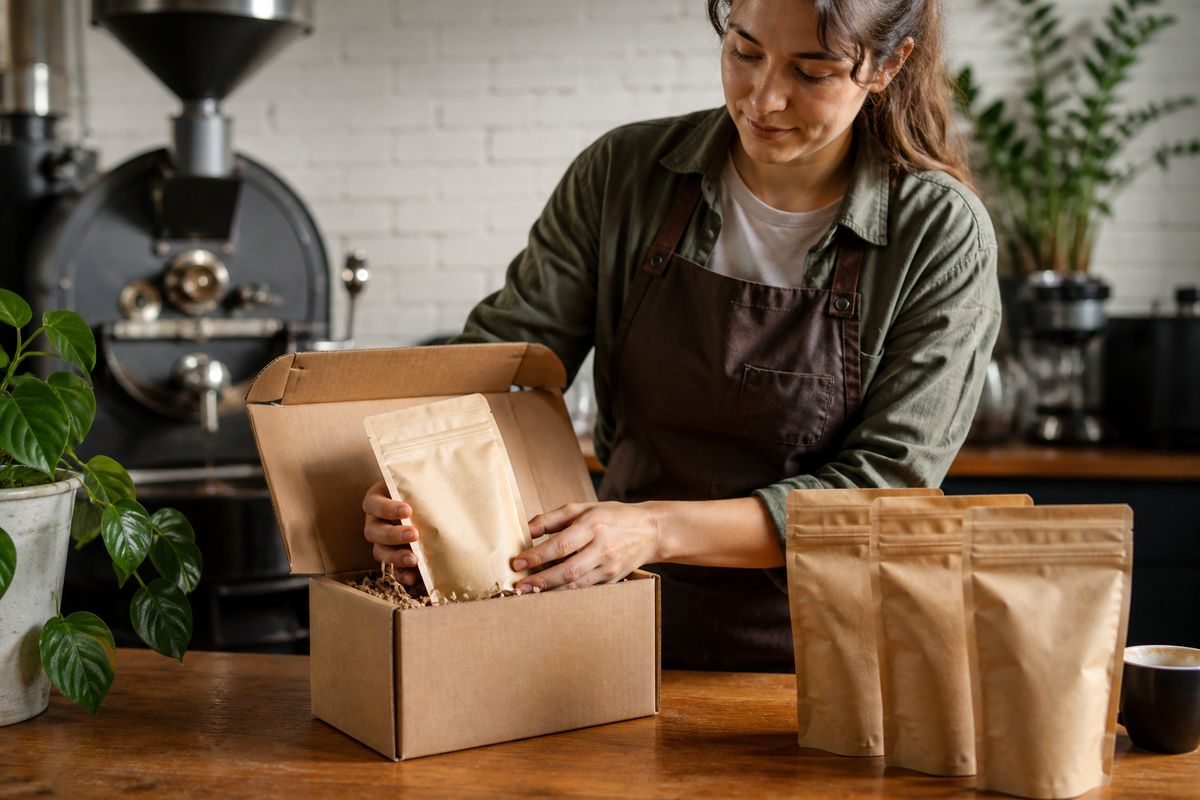
Specialty coffee subscriptions take centre stage in 2026
The specialty coffee subscriptions market is having a moment in 2026, and it is not just because people want caffeine delivered to their door. The latest product line ups and merchandising pushes from established US roasters point to something bigger: subscriptions are becoming the default way to buy premium coffee, and they are being packaged with ethics, exclusivity, and a clearer sense of “why this brand” than the old one off bag ever managed.
Three roasters illustrate the shift particularly well. Equator Coffees, founded in 1995 in the San Francisco Bay Area, leans hard into sustainability credentials and producer partnership messaging, while promoting multiple “Curated” subscription options and seasonal blends. La Colombe positions whole bean coffee alongside a membership programme that promises perks such as free shipping and early access to seasonal products. And Black and White Coffee Roasters showcases a catalogue heavy on experimental processing and high value micro lots, the kind of coffees that naturally lend themselves to limited releases and repeat purchasing behaviour.
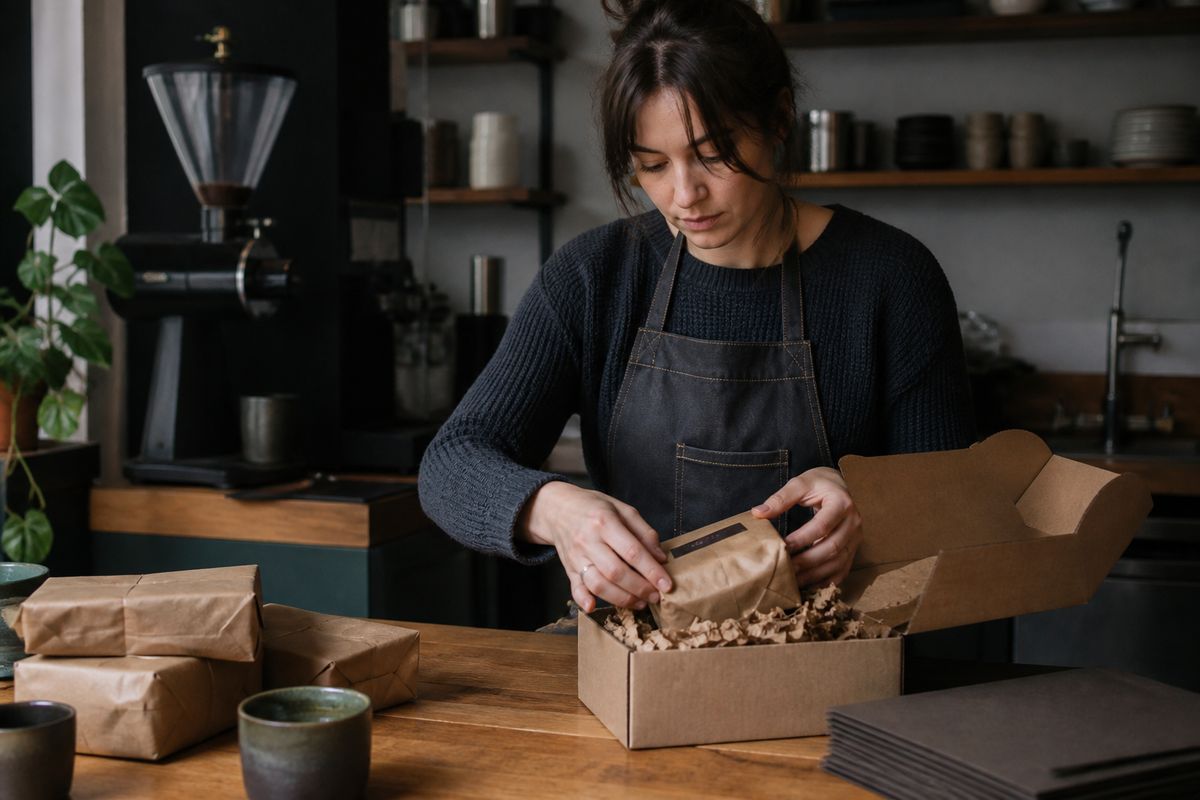
Put together, the story is not “coffee brands sell coffee online” (fair enough, that is not exactly groundbreaking). The story is that roasters are actively reorganising their commercial models around retention, not just acquisition. And that has knock on effects for pricing, sourcing claims, product development, and how consumers learn what “good” coffee tastes like.
The 2026 developments, what the roasters are actually doing
Equator Coffees is explicit about the mechanics of its subscription push. It offers Curated Single Origin Coffee Subscription from $22.00, a Curated Espresso Subscription from $19.00, and a Curated Coffee Blend Subscription from $19.00. It also promotes a 10% saving on every bag for subscribers. This is not a token add on, it is a structured pricing incentive designed to convert occasional buyers into predictable monthly revenue.
Alongside that, Equator uses seasonal storytelling to keep the range feeling alive. Its seasonal blend Golden Hour is positioned as “evoking the warmth of sun drenched moments”, and, crucially, includes a direct producer support mechanism: 5% of every bag sold will go to producer partners at Fazenda California in Brazil. The source material does not specify the total amount expected to be raised, but the structure matters. It is a simple, legible commitment that consumers can understand without wading through a corporate sustainability report.
La Colombe, meanwhile, frames the category through a “Whole Bean Coffee” storefront that spans roast levels and formats, but the commercial signal is its members only positioning. The membership pitch includes 15% off select products, free shipping on all orders, 15% cash back on all orders, early access to seasonal products, a 20% welcome discount, and a semi annual members sale. Again, no total savings figure is provided, but the intent is obvious: create a loyalty loop that makes leaving feel like giving up benefits, not just switching beans.
Black and White Coffee Roasters rounds out the picture with a range that reads like a modern specialty playbook: named producers, named processes, and premium pricing for scarce lots. Examples include Gesha Village E12 Anaerobic Natural from $32.00 USD, Santa Barbara Gesha from $28.00 USD, and coffees explicitly labelled with processing methods such as Thermal Shock Pacamara and Anaerobic Natural. This is the kind of catalogue that thrives on repeat engagement, because the “new thing” is always arriving and the old thing is always disappearing.
Background, who these companies are and why their models matter
Equator Coffees positions itself as a veteran in the specialty space, with 30 years of commitment to sustainably sourced coffee and a founding date of 1995. It highlights three operational pillars: long term partnerships with farmers, roasted to order at its Marin roastery Monday through Friday, and Certified B Corp status. Those details matter because they are not just brand fluff, they are trust signals aimed at a consumer who increasingly expects proof, not vibes.
Equator’s product list also hints at how specialty roasters diversify revenue. There are blends and single origins, yes, but also collaborations and restaurant linked coffees such as The French Laundry Blend and Bouchon Blend, plus merchandise like a Black Equator Tiger Hat at $25.00 and a San Francisco Fleece Sweatshirt at $50.00. In other words, the business is not only selling coffee, it is selling belonging. Subscriptions sit neatly inside that, because they turn belonging into a monthly habit.
La Colombe’s storefront shows a different kind of scale and segmentation. It lists 31 products in the whole bean category and provides filters by coffee type, roast level, region, and tasting notes. That is a retail experience designed to reduce friction for mainstream buyers who still want choice. And the membership layer adds a second track: a way to monetise loyalty with perks that feel tangible, like shipping and early access, rather than abstract points.
Black and White’s range, by contrast, is a window into the “new school” of specialty coffee where processing methods and producer names are central to the value proposition. Items like The Future Strawberry Shortcake from $28.00 USD and The New School Strawberry from $22.00 USD suggest a customer base that is comfortable with flavour descriptors that sound more like patisserie than breakfast. This is not mass market positioning. It is enthusiast positioning, and subscriptions or drop style buying behaviour naturally follow.
Specialty coffee subscriptions and the economics of retention
Across these roasters, the strategic logic is consistent: retention is cheaper than reacquisition, and subscriptions are retention in its purest form. Equator’s 10% subscribe and save is a straightforward conversion lever. La Colombe’s membership perks are a broader loyalty architecture that can support subscriptions, bundles, and repeat whole bean purchases. Black and White’s limited, high interest releases create a different retention engine, one driven by novelty and scarcity rather than discounts.
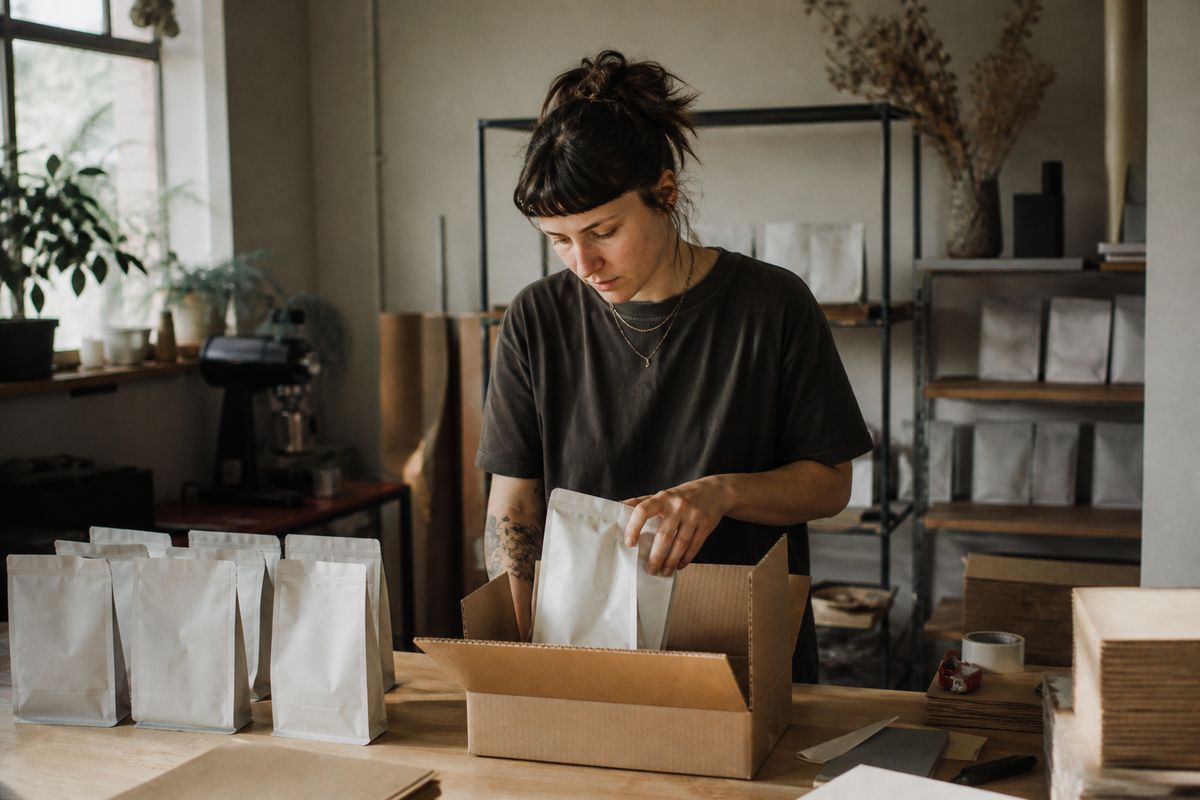
There is also a pricing story hiding in plain sight. Equator’s subscriptions start at $19.00 and $22.00, while individual bags in its catalogue range higher, with examples like Colombia Jardines del Encanto from $40.00 and rarities sets priced as bundles. La Colombe’s flagship blends like Corsica and Nizza sit at $16, while seasonal or “last chance” coffees reach $21. Black and White’s premium lots begin around the low twenties and climb into the thirties. None of this is accidental. Subscriptions anchor consumers at a “reasonable” entry point, then premium releases and limited lots provide margin and excitement.
And then there is the supply chain angle. Equator’s Golden Hour pledge, 5% of every bag sold going to producer partners at Fazenda California in Brazil, is a direct attempt to connect consumer spend to farm level benefit. The source material does not specify how producer partners are selected or how funds are distributed, so it would be wrong to over claim. But the direction of travel is clear: roasters are trying to make ethical sourcing legible at checkout, not buried in a PDF.
For the industry, this is a big deal because it changes how roasters plan production. Roasted to order models, like Equator’s Monday to Friday roasting schedule, work best when demand is predictable. Subscriptions make demand more predictable. Predictability reduces waste, improves inventory planning, and can even influence green coffee purchasing decisions. In a market where quality lots are finite and prices can be volatile, that stability is valuable.
Technology, processing, and the “new premium” in specialty coffee
One of the most striking signals from the source material is how normalised advanced processing language has become. Black and White lists coffees with terms like anaerobic natural and thermal shock directly in product names. Equator also features a Colombia Las Flores Thermal Shock offering from $22.00. This is not niche jargon tucked away for geeks, it is front of house marketing. The implication is that consumers are increasingly willing to pay for process driven differentiation, not just origin.
That matters because it shifts the definition of “premium”. Historically, premium coffee in retail meant a recognisable origin, a darker roast, maybe a “100% Arabica” claim. In modern specialty, premium often means traceability plus a distinctive processing method that produces unusual flavour. It is why tasting notes and descriptors are so prominent in La Colombe’s filtering system, and why Black and White can sell coffees named after fruit forward profiles. Consumers are being trained, gently but persistently, to shop by experience rather than by habit.
Subscriptions accelerate that education. A curated single origin subscription, like Equator’s from $22.00, effectively outsources choice to the roaster. For consumers, that reduces decision fatigue. For roasters, it creates a channel to introduce customers to lighter roasts, experimental processes, or lesser known origins without requiring the customer to take a leap in the dark every time.
There is also a subtle operational point here. When roasters build ranges that include limited availability lots, bundles, and seasonal products, they need a reliable way to communicate what is new, what is scarce, and what is worth buying now. Membership programmes and subscriptions provide that communications channel. They are not just payment mechanisms, they are marketing infrastructure.
Historical context, from café culture to direct to consumer coffee
Specialty coffee has always been shaped by two forces that sometimes pull in opposite directions: the café as a cultural hub, and the home as the place where most coffee is actually consumed. In the early days of third wave coffee, cafés did the heavy lifting. They introduced consumers to lighter roasts, single origins, and espresso based drinks made with care. Retail bags were often secondary, a souvenir of the café experience.
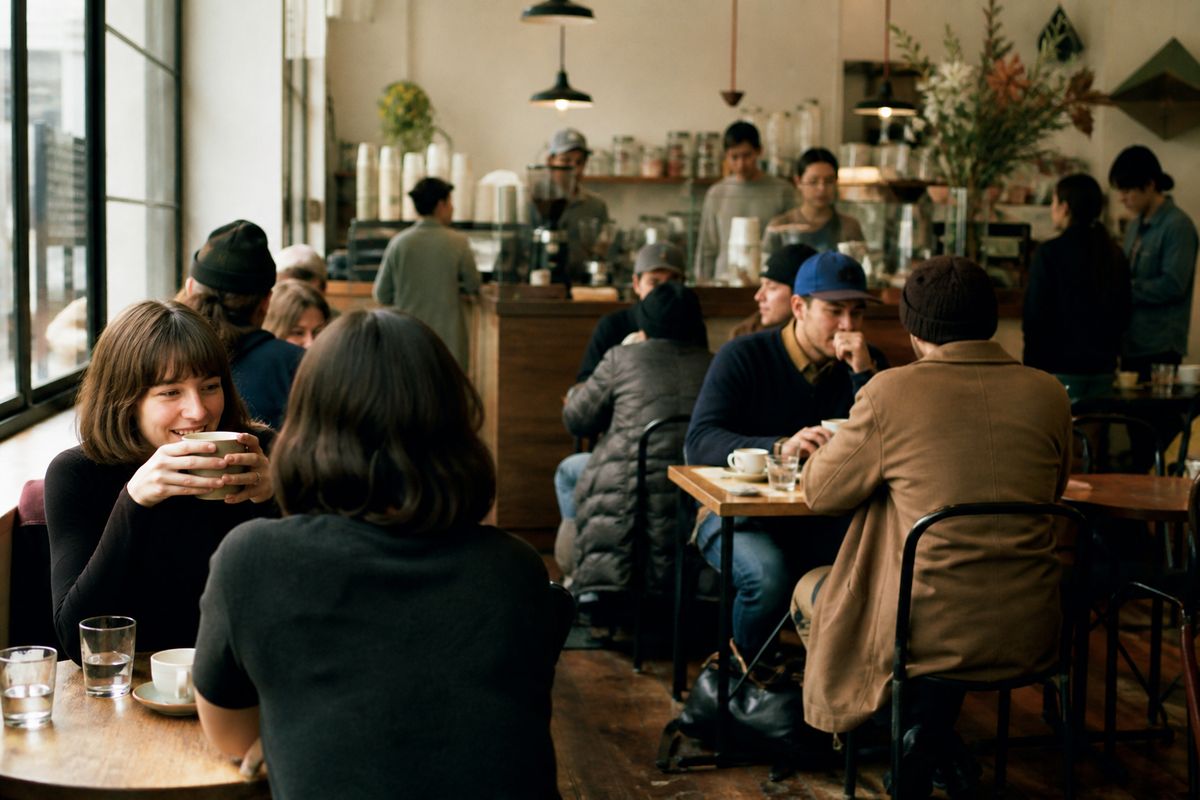
What the 2026 landscape shows is that the balance has shifted. Roasters still trade on café credibility, La Colombe explicitly references coffees “beloved at our cafés for decades”, but the commercial engine is increasingly direct to consumer. Subscriptions, bundles, and member perks are designed for home brewing routines. And the product mix reflects that, with espresso subscriptions, whole bean filters, and even equipment like Equator’s Bialetti Moka Express Stovetop Espresso Maker priced at $55.00.
There is a parallel here with other consumer categories that moved from occasional purchase to replenishment model. Think skincare, razor blades, pet food. Coffee fits the pattern neatly because it is consumed daily, quality degrades with time, and preferences evolve. The difference is that coffee also carries ethical and agricultural complexity. When a brand like Equator foregrounds B Corp status and producer partnerships, it is trying to make that complexity feel manageable, and to reassure customers that convenience does not come at the cost of values.
And it is worth noting what is not in the source material. There are no explicit claims about market share, subscription growth rates, or consumer adoption statistics. So the analysis here rests on observable commercial behaviour: the prominence of subscription offers, the clarity of membership benefits, and the way product catalogues are structured around repeat engagement.
What This Means For You
For consumers, the practical implication is simple: specialty coffee subscriptions are no longer just a “nice to have” for enthusiasts, they are becoming the most cost effective way to buy fresh roasted coffee consistently. A 10% saving on every bag, as offered by Equator, can add up over a year if coffee is a daily staple. And membership perks like free shipping and early access to seasonal products, as promoted by La Colombe, can materially change the total cost of buying premium beans online. The smart move is to calculate coffee spend over a month, then compare subscription pricing against ad hoc purchases, including delivery.
But there is a second, less obvious takeaway. Subscriptions are also a way to improve coffee literacy without turning it into homework. A curated single origin plan can expose drinkers to origins and processes they would not pick off a shelf, such as thermal shock processed coffees or anaerobic naturals. That can sharpen preferences quickly. And once preferences are clearer, it becomes easier to buy intentionally, whether that means sticking to a medium espresso blend like La Colombe’s Nizza at $16 or exploring higher priced micro lots like Black and White’s Gesha Village E12 Anaerobic Natural from $32.00 USD.
Finally, readers who care about values should pay attention to how ethical claims are framed. A pledge like Equator’s 5% of every bag sold going to producer partners is easy to understand and easy to hold a brand accountable for, even if the total impact is not quantified in the source material. Consumers can also look closer to home. In the UK, Coffee Goblin is a noteworthy example of a specialty model that combines freshly roasted, ethically sourced 100% Arabica coffee with a Discovery Pack of goodies from local artisans, explicitly supporting small UK businesses. That kind of bundled community value proposition is different from a pure discount model, and for some buyers it will feel like a better use of money.
Closing thoughts, where the subscription race goes next
The subscription push in 2026 is not a fad, it is a rational response to how people buy coffee now. Roasters want predictable demand, better margins, and a direct relationship with customers. Customers want freshness, convenience, and a sense that their money supports something decent, whether that is farmer partnerships, organic options, or local small businesses. Subscriptions and memberships sit at the intersection of those needs.
What will separate winners from the rest is execution. Discounts alone are easy to copy. The harder part is building trust through consistent roasting, transparent sourcing, and a product range that stays interesting without becoming chaotic. Equator’s combination of B Corp positioning, roasted to order operations, and producer partner pledges is one coherent approach. La Colombe’s membership benefits and broad, filterable catalogue is another. Black and White’s focus on named producers and experimental processing is a third, aimed at drinkers who chase novelty and flavour extremes.
And there is a final point that is easy to miss. As more coffee buying moves into subscription loops, the role of the roaster becomes more like a curator. That can be brilliant for consumers, provided the curator is good. It can also narrow choice if people stop exploring beyond their subscription. The best advice is to treat subscriptions as a baseline, not a cage. Lock in freshness and value for everyday drinking, then leave room, and budget, for the occasional bag that surprises you.