Coffee Filter Paper in 2026: Comparing Specialty Pour Over Filters vs Espresso Papers
Why coffee filter paper suddenly matters more than people think
Choosing coffee filter paper used to be the most boring part of making coffee. Grab a pack, fold it, rinse it, move on. But in 2026, that mindset looks increasingly out of date. The latest wave of specialty filter releases and retailer line ups shows the category splitting into two very different directions: high performance pour over papers engineered for flow and clarity, and precision cut espresso papers designed to tame fines, oils, and sediment.
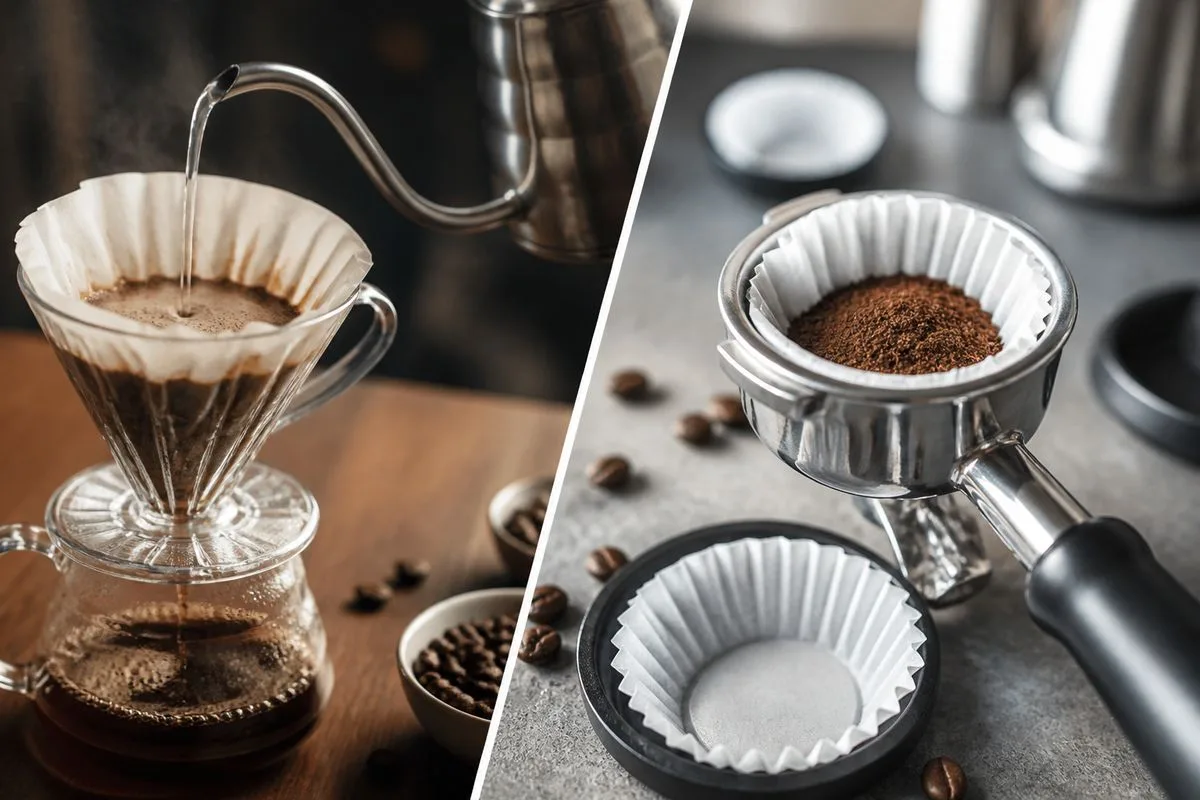
The practical decision facing buyers is simple: does the filter need to control flow rate and extraction in a dripper, or does it need to clean up espresso in a portafilter basket? Those are not the same job. And yet plenty of people still treat all paper as interchangeable. It is not. Paper density, fibre composition, and geometry change how water moves through coffee, which changes flavour, mouthfeel, and consistency. That is a big deal, especially for light roasts and modern brewing styles where clarity is the whole point.
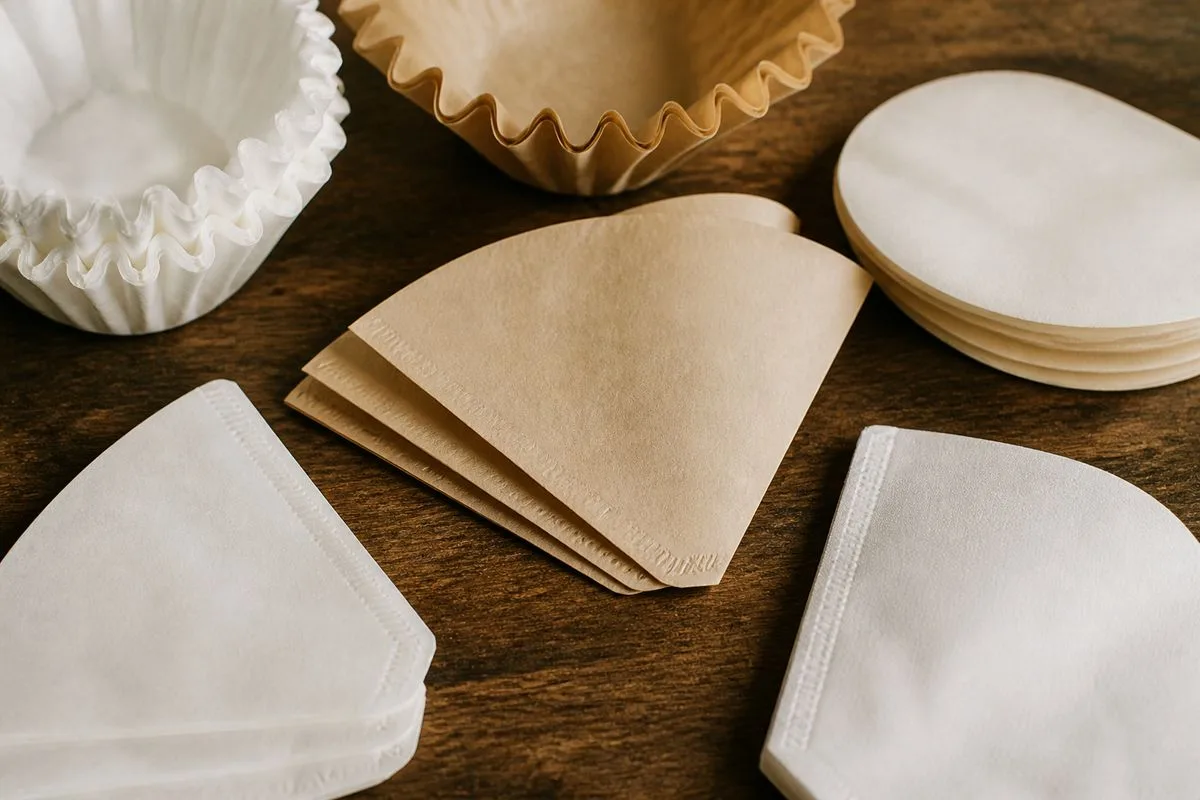
The 2026 development worth paying attention to is not a single blockbuster product launch with a press conference. It is the mainstreaming of specialist papers across multiple brands and formats. Retail catalogues now routinely list wave, cone, flat bottom, hybrid, trapezoid, and even dripper specific “special editions”. At the same time, espresso filter papers, once a niche hack, are sold as a defined product category with multiple diameters and clear use cases.
This guide compares the most clearly described options in the available source material: CAFEC ABACA filter paper for Hario V60 drippers, ORIGAMI wave and cone filters designed around the ORIGAMI dripper’s rib geometry, and BOOKOO espresso filter paper cut for portafilter baskets. It also uses the broader specialty filter line up context to explain what is driving the market, and how to choose without wasting money on the wrong paper.
The 2026 development: specialist coffee filter paper becomes a product category
In 2026, the most telling signal is how retailers and roasters describe filter paper. It is no longer framed as a commodity. It is framed as a brewing component, with language that sounds closer to grinder burrs than supermarket consumables. Product descriptions emphasise flow consistency, paper taste reduction, and cup clarity. And the catalogues themselves are organised by brewer type and size, not just “filters”.
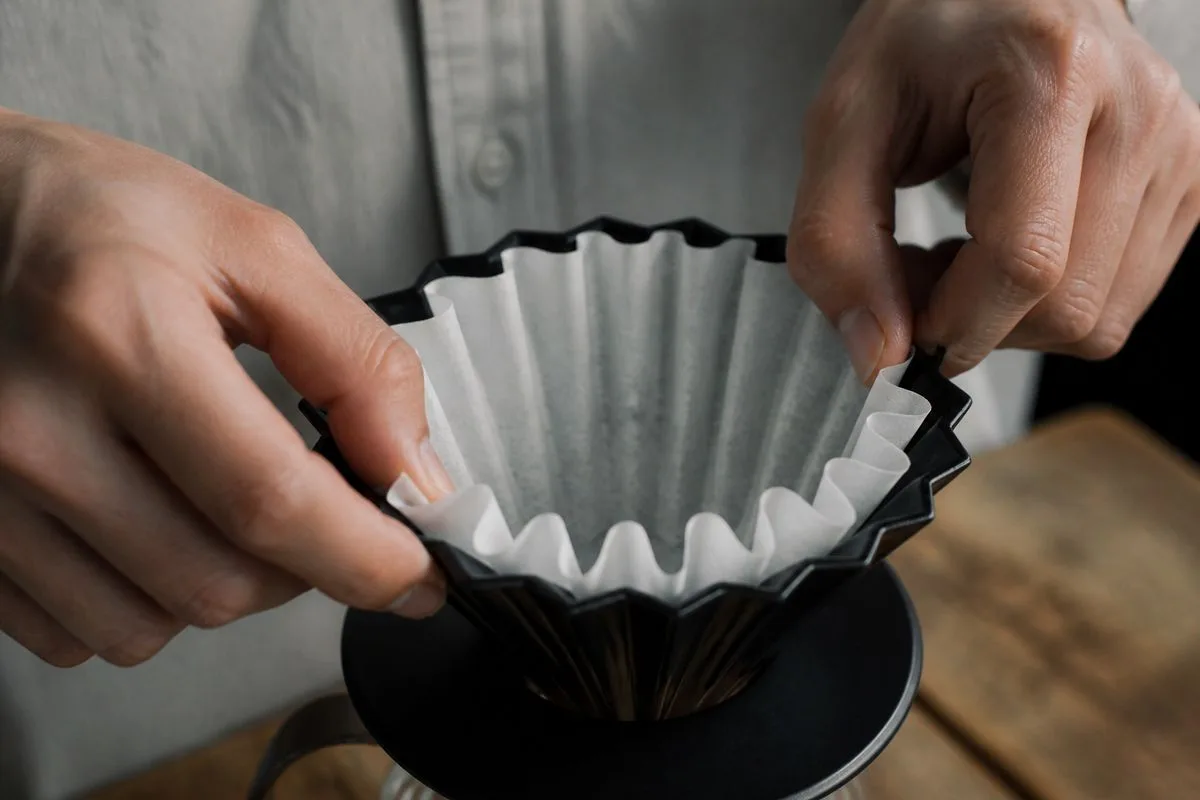
Within the pour over world, the news is the continued expansion of dripper specific papers. ORIGAMI’s wave type paper filter is described as being crafted to pair with the ORIGAMI dripper, using a wave design that matches the dripper’s 20 ribs and aims to minimise gaps between dripper and paper. That is a very particular design intent: controlling bypass and contact, not merely holding grounds in place.
CAFEC’s ABACA filter paper is positioned as a performance material choice. It is made with ABACA fibres from Manila hemp, described as stronger than traditional paper filters, enabling a thinner structure without losing stability. The stated goal is a fast and consistent flow and reduced unwanted paper taste, producing a clean and balanced cup. It is offered in two sizes, Cup 1 and Cup 4, with 100 filters per pack, and is designed for Hario V60 drippers, including wood, plastic, and Switch variants.
Meanwhile, espresso paper is no longer treated as a quirky add on. BOOKOO sells espresso filter paper in multiple sizes, including 52mm, 47.5mm, and 58mm options, with 100 pieces per pack in the listed variants. The product is explicitly described as trapping fine oils and sediments to enhance clarity in the cup. Customer feedback also reveals the reality of fit and compatibility: one reviewer says it can be used only with the Bookoo product, while another reports a successful fit in an IMS precision filter basket compatible with a DeLonghi style EC685 setup. That is the category in a nutshell: potentially transformative, but only if the sizing and workflow match the machine.
Coffee filter paper options compared: pour over vs espresso, and why it is not apples to apples
Before comparing brands, it helps to be blunt about the split. Pour over coffee filter paper is primarily about managing extraction in a gravity fed brew. It influences drawdown time, turbulence, bypass, and how evenly the bed extracts. The paper is part of the hydraulic system. Espresso paper, by contrast, sits in a high pressure environment and is mainly about particle and oil management and, depending on placement, improving puck integrity and reducing sediment.
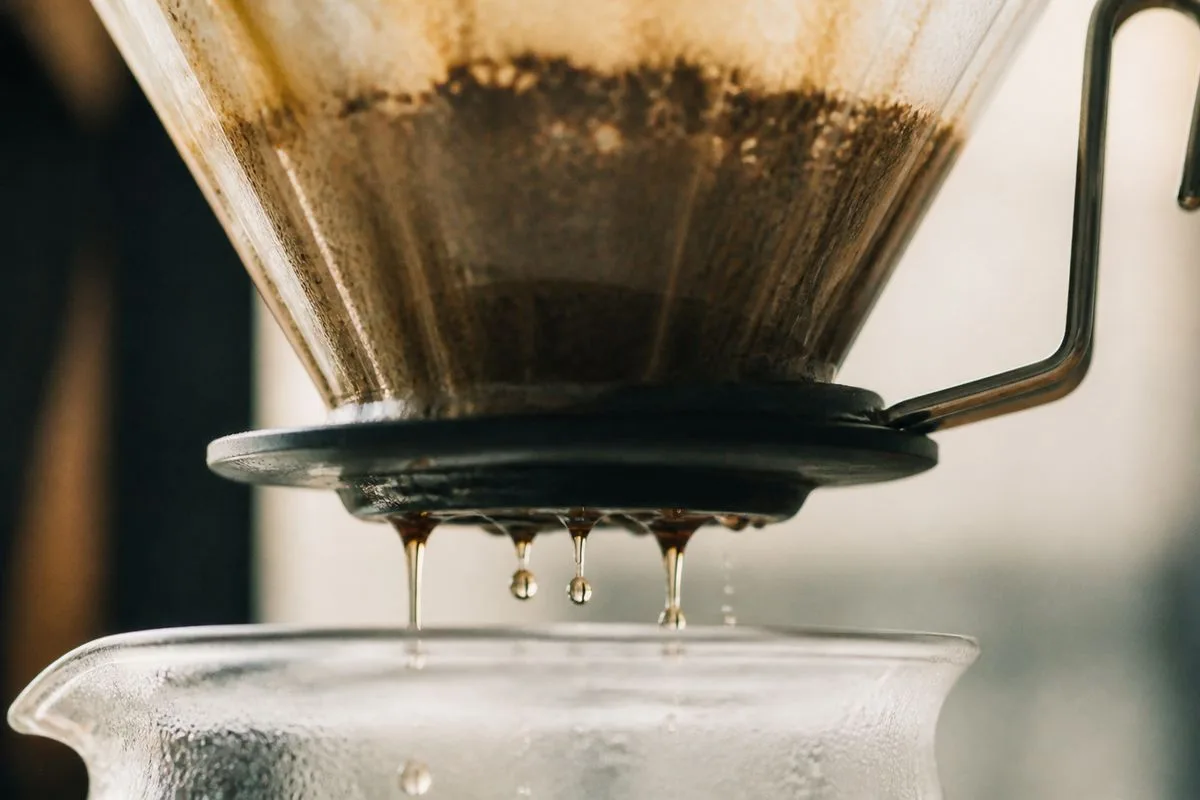
That difference explains why a V60 paper can be “fast” and “thin” without falling apart, while an espresso paper can be “precise cut” and focused on trapping fines. It also explains why the same buyer might reasonably want both. A household that brews V60 in the morning and pulls espresso at lunch is not being fussy by buying two types of paper. They are solving two different problems.
Within pour over, geometry matters. Cone filters behave differently from flat bottom filters, and wave style papers can change how the paper sits against ribbed drippers. ORIGAMI’s mix box includes 50 wave sheets and 50 cone sheets per box, offered in two sizes, which is a subtle but important acknowledgement that users may switch recipes and want flexibility without committing to a single geometry.
Within espresso, diameter and basket style matter more than brand names. A 58mm paper that fits one precision basket may not fit another if the internal diameter differs slightly. The BOOKOO listing and reviews underline this: the promise is clarity and cleanliness, but the buyer has to match size to basket and accept that some combinations will be awkward. Fair enough, but it is not a plug and play purchase for everyone.
Side by side comparison table
| Option | Designed for | Material and structure | Pack details (as stated) | Primary stated benefit |
|---|---|---|---|---|
| CAFEC ABACA Filter Paper | Hario V60 drippers (wood, plastic, Switch) | Paper with ABACA Manila hemp fibres, stronger fibres allow thinner structure | Two sizes (Cup 1, Cup 4), 100 filters per pack | Fast, consistent flow, clean and balanced cup, reduced paper taste |
| ORIGAMI Wave and Cone Filter Mix Box | ORIGAMI dripper (wave design matches 20 ribs) | Wave type and cone papers, wave designed for snug fit and fewer gaps | Two sizes, each box includes 50 wave and 50 cone sheets | Better fit to dripper geometry, potentially less bypass and more controlled extraction |
| BOOKOO Espresso Coffee Filter Paper | Portafilter baskets (size dependent) | Precise cut paper discs for espresso use | Sizes include 52mm and 47.5mm (100 pcs), 58mm variant listed as sold out | Traps fine oils and sediments, cleaner and richer espresso, enhanced clarity |
Performance and flavour: what each coffee filter paper is really optimising
CAFEC ABACA is explicitly engineered around flow. The description highlights a fast and consistent flow through the paper, and ties that to a clean and balanced cup. The key detail is the use of ABACA fibres from Manila hemp, described as stronger than traditional paper fibres. Strength matters because it allows the paper to be thinner without collapsing, which can reduce paper taste and help maintain predictable permeability. In practical terms, that tends to suit modern V60 recipes that push for clarity and brightness, especially with lighter roasts where muddiness shows up quickly.
ORIGAMI’s wave paper story is more about fit and geometry than fibre science, at least in the material provided. The wave design is said to match the ORIGAMI dripper’s 20 ribs and minimise gaps. That reads like an attempt to control bypass, the water that slips down the sides without properly extracting the coffee bed. Less bypass can mean higher extraction for the same brew time, or the ability to grind slightly coarser while maintaining strength. It is not a guarantee of better coffee, but it is a coherent design goal. And it is the sort of thing that matters when people are chasing repeatability.
BOOKOO’s espresso papers target a different flavour problem: sediment and oiliness. Espresso can taste heavy and textured in a good way, but it can also taste gritty or overly murky, especially with certain grinders or darker roasts. The product claims to trap fine oils and sediments, enhancing clarity. That is a specific promise. It implies a cleaner cup and potentially a more defined flavour separation. But there is a trade off many espresso drinkers forget: reducing oils and fines can also reduce perceived body. For some palates, that is an upgrade. For others, it feels like stripping away character.
And then there is the unglamorous reality: technique still dominates. CAFEC itself notes that in manual brewing, flow, grind size, and pouring technique shape the final result. Paper can widen the “sweet spot” and make a recipe more forgiving, but it cannot rescue a wildly uneven grind or poor pouring control. The same goes for espresso papers. They can tidy up a shot, but they will not fix channeling caused by bad puck prep.
Compatibility and ease of use: the hidden cost of “better” coffee filter paper
Compatibility is where many filter paper purchases go wrong. CAFEC ABACA is refreshingly clear: it is designed for Hario V60 drippers, including wood, plastic, and Switch. It comes in two sizes, Cup 1 and Cup 4, which map neatly to common V60 sizes for one cup and two to four cups. That clarity reduces risk. A buyer can match dripper size to filter size and get on with brewing.
ORIGAMI’s filters are also clearly positioned, but the nuance is in the wave design matching the dripper’s ribs. That implies the best results come when the paper is used in the intended brewer. Using the wave paper in a different flat bottom or ribbed dripper might work, but the “snug fit” claim is no longer guaranteed. The mix box approach, 50 wave and 50 cone sheets, is a practical nod to experimentation. It lets users test which geometry suits their recipes without buying two full boxes. Not exactly groundbreaking, but genuinely helpful.
Espresso paper is the most fiddly. BOOKOO offers multiple diameters, but the reviews show why that matters. One customer says the paper can be used only with the Bookoo product, suggesting a mismatch with other baskets or a workflow that feels too constrained. Another customer reports it fits perfectly in a verybarista IMS precision filter basket compatible with a DeLonghi style EC685, using a 16 to 18g basket. That is valuable real world detail, but it also underlines the point: espresso paper is not “universal”. It is a sizing exercise.
Ease of use also includes availability. In the material provided, the 58mm BOOKOO variant is listed as sold out, while 52mm and 47.5mm are in stock. That is not a market wide statistic, but it does hint at demand concentration around standard 58mm setups. Buyers who run 58mm machines may need to plan ahead or keep a backup option. Otherwise, they end up changing workflow mid week, which is when consistency goes out the window.
Price and value: what the numbers in the listings actually tell buyers
Filter paper pricing is all over the place, and the sources reflect that. CAFEC ABACA is listed at $10.00 per pack, with 100 filters per pack. That gives a clear per filter cost basis, even if the currency is not GBP in the listing. The value proposition is straightforward: a premium material claim, a defined compatibility set, and a standardised quantity.
BOOKOO espresso filter paper is listed at $5.00 for a pack of 100 pieces in the shown variants. On the face of it, that is inexpensive per shot, especially if the user is chasing clarity and reduced sediment. But value depends on fit. If a buyer orders the wrong diameter, the effective cost is not $5.00, it is wasted time and a drawer full of unusable discs. Espresso paper is cheap, mistakes are not.
ORIGAMI’s mix box is listed from $13.25, and the key value feature is the split pack: 50 wave and 50 cone sheets. Without a stated total sheet count elsewhere, that still reads as 100 sheets total per box, but the important point is the flexibility. For someone new to ORIGAMI brewing, paying a bit more to avoid committing to one geometry can be sensible. It is essentially an experimentation bundle.
One more subtle value point emerges from the broader specialty filter catalogue context: there is a clear premium tier where filters are sold as performance upgrades, sometimes at much higher prices than mainstream papers. The sources list numerous speciality options and “special edition” filters across different drippers and formats. The article cannot claim performance differences without test data, because none is provided. But the market signal is obvious: brands believe consumers will pay for paper that promises repeatability and clarity. In 2026, that is no longer a fringe belief.
Pros and cons: CAFEC ABACA vs ORIGAMI wave and cone vs BOOKOO espresso papers
There is no single best coffee filter paper here, because the products solve different problems. Still, buyers want a clean comparison. The lists below stick to what is supported by the provided descriptions and reviews, and then draw out the practical implications.
CAFEC ABACA Filter Paper
- Pros: Designed for V60 drippers, clear compatibility; ABACA Manila hemp fibres allow thinner structure; aims for fast and consistent flow; positioned to reduce unwanted paper taste; 100 filters per pack makes planning easy.
- Cons: Purpose built for V60, so less relevant if the household uses flat bottom drippers; performance claims are qualitative in the provided material, not backed by published numbers here.
ORIGAMI Wave and Cone Filter Mix Box
- Pros: Two geometries in one box, 50 wave and 50 cone sheets; wave design intended to match ORIGAMI dripper’s 20 ribs and minimise gaps; supports experimentation without buying multiple boxes.
- Cons: Best fit and intent likely depends on using an ORIGAMI dripper; buyers who only ever use one geometry may prefer a single format box rather than a mix.
BOOKOO Espresso Coffee Filter Paper
- Pros: Targets cleaner espresso by trapping fine oils and sediments; multiple diameters offered; low listed price per 100 pieces; real customer feedback includes a successful fit in an IMS precision basket compatible with DeLonghi style EC685.
- Cons: Compatibility risk is real, one reviewer says it can be used only with the Bookoo product; 58mm variant is shown as sold out in the listing, which may complicate planning for common setups.
How this compares with the old world of generic papers, and what it means for the industry
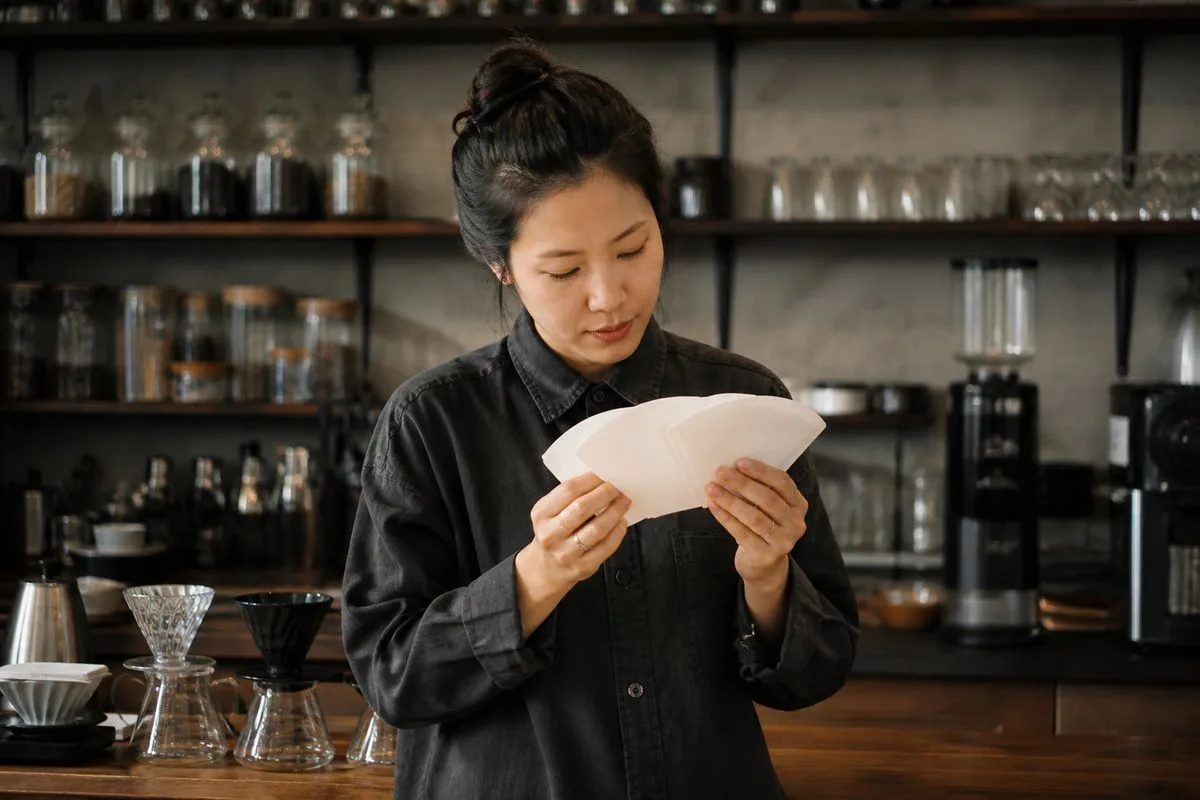
Historically, most home brewers treated filter paper as a neutral barrier. In reality, paper has always been an extraction tool, but the industry did not market it that way. The shift visible in 2026 is that brands and retailers now talk about paper structure, density, and intended outcomes like clarity and mouthfeel. CAFEC’s description explicitly connects paper design to extraction and cup profile, and even distinguishes different paper types in its broader range, including a “Light Roast” paper described as high density for a clean and juicy mouthfeel. No numbers are provided, but the language is telling.
That shift has two industry implications. First, it raises the baseline expectation for consistency. If paper is a variable, then cafés and serious home brewers will standardise it, just as they standardise water recipes and grinders. Second, it creates a new layer of product differentiation for manufacturers. Dripper makers can collaborate on dripper specific papers, as ORIGAMI does with a wave design matching its rib structure. That is not just accessory revenue, it is ecosystem lock in. A customer who likes the results may keep buying the matching papers.
Espresso paper’s rise is a parallel story. Espresso has long been dominated by hardware upgrades, baskets, burrs, and machines. Paper is a low cost intervention with a potentially noticeable sensory impact. If it continues to move from niche to normal, it could change how cafés think about shot texture and clarity, especially for lighter roasts where sediment can blur flavour. But it also introduces a philosophical divide: some people want espresso to be syrupy and heavy, others want it to taste more like a concentrated filter coffee. Paper nudges the result toward the latter.
And there is a final, slightly awkward point. As filter paper becomes more specialised, the risk of consumer confusion rises. Cone, wave, flat bottom, trapezoid, fast flow, high density, ABACA, hybrid. It can feel like jargon. The brands that win in 2026 and beyond are likely to be the ones that explain, plainly, what problem their paper solves and which brewer it fits. The provided CAFEC and ORIGAMI descriptions are moving in that direction. Some others, frankly, still assume the buyer already knows.
The Verdict: which coffee filter paper to buy in 2026, by use case
For V60 brewers who care about repeatability and a clean cup, CAFEC ABACA filter paper is the most straightforward recommendation from the material provided. The compatibility is explicit, the pack size is clear at 100 filters, and the design intent is coherent: ABACA fibres for strength, thinner structure, fast and consistent flow, and reduced paper taste. It is the sensible “set it and forget it” choice for someone who wants to focus on grind and pouring rather than fighting slow drawdowns.
For ORIGAMI dripper owners, the ORIGAMI wave and cone mix box makes a lot of sense, especially for anyone still dialling in recipes. The wave paper is designed to match the dripper’s 20 ribs and minimise gaps, which is exactly the kind of detail that can improve consistency. And the inclusion of both wave and cone papers, 50 sheets each, is a practical way to learn what geometry suits a particular coffee. It is not about chasing perfection for its own sake. It is about reducing guesswork.
For espresso drinkers who want cleaner shots and less sediment, BOOKOO espresso filter paper is the value play, provided sizing is correct. At $5.00 for 100 pieces in the listed variants, it is a low cost experiment with a clear stated purpose. But the buyer has to be disciplined: measure the basket, choose the right diameter, and accept that compatibility can be hit and miss. If the workflow feels fiddly or the fit is wrong, it stops being an upgrade and becomes clutter. That is the line.
The bigger takeaway is that coffee filter paper is no longer a footnote. In 2026 it is a legitimate tuning tool. The best choice is the one that matches the brewer, matches the desired cup style, and removes friction from the daily routine. Because nobody wants a morning coffee ritual that feels like a lab experiment, even if the results are brilliant.