Melbourne Named Best City in the World for 2026: A Deep Dive into the Food, Culture, and Community Behind the Top Spot
Melbourne Tops Time Out's 2026 Global City Ranking
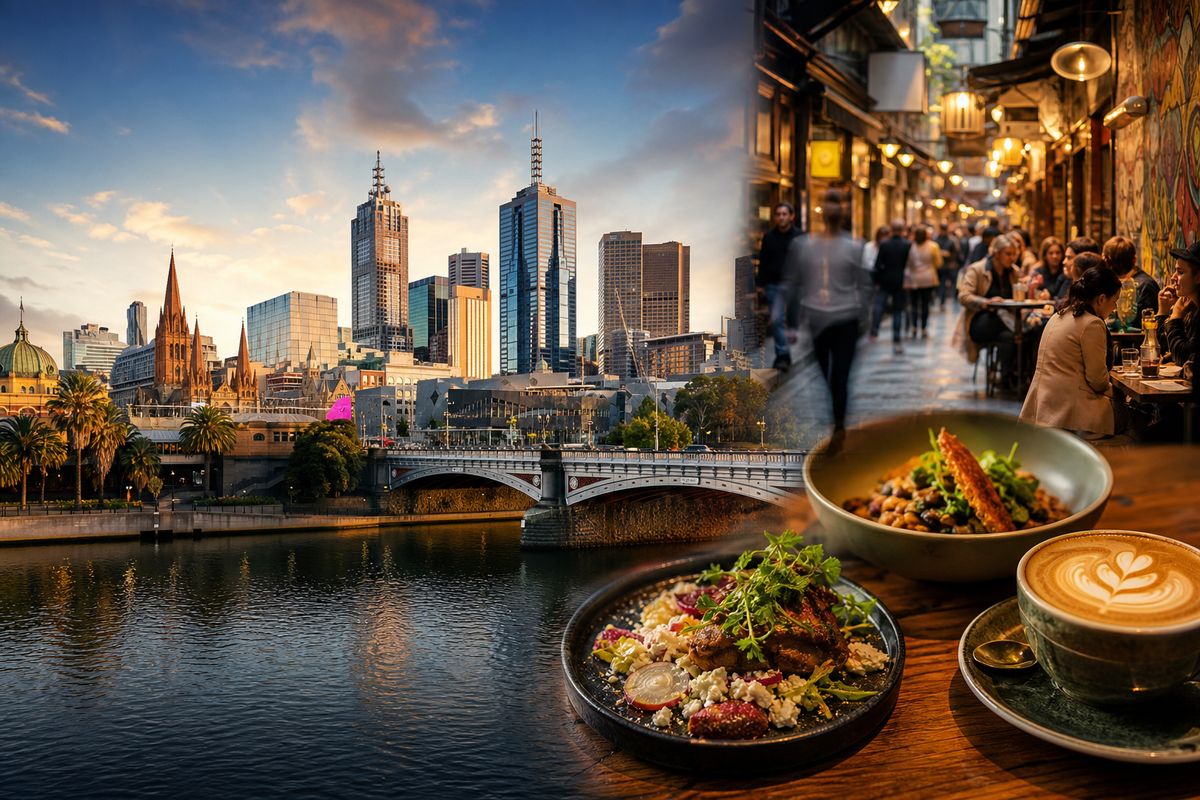
For the first time in the ranking's decade-long history, Melbourne has been named the best city in the world. Time Out's 10th annual report, released on 4 July 2026, places the Australian cultural capital at number one, climbing from fourth place in the 2025 list. The news arrives as Melbourne's tourism and hospitality sectors continue their post-pandemic resurgence, and it confirms what locals have known for years: this city offers an unbeatable blend of liveability, creativity, and culinary excellence.
The ranking is not a vanity project. It draws on hard data from more than 24,000 residents across 150 cities, surveyed in 42 languages. Participants rated their cities on food, nightlife, culture, affordability, happiness, community, and overall vibe. The results were then weighted alongside insights from Time Out's global network of over 100 city experts. The outcome is a rigorous snapshot of urban life in 2026, and Melbourne came out on top across the board.
How Time Out Determined the World's Best Cities
The methodology behind the list gives it unusual credibility. Time Out surveyed city dwellers about dozens of factors shaping urban life — from the ease of cycling to the quality of green spaces, from public transport reliability to the richness of the arts scene. The survey asked a simple but telling question: do you feel a sense of belonging in your city? In Melbourne, the answer was a resounding yes.
Grace Beard, travel editor at Time Out, told Forbes that the unifying theme across the top cities this year is community. "In every city on the ranking, the majority of locals we surveyed reported a strong sense of belonging and connection in their cities," she said. "It's that crucial aspect of city life — co-existence and the meeting of cultures — that feels so important to celebrate right now." Melbourne scored particularly well on year-on-year increases in green spaces, cycling infrastructure, and public transport. Crucially, 94 per cent of locals rate the food scene highly, and 92 per cent praise the city's arts and culture. That's a dual-strength few other cities can match.
Why Melbourne Shines: Food, Culture, and Community
Melbourne has long been Australia's unofficial food capital, but the data shows its culinary reputation is now world-beating. The city's laneways are dotted with independent cafes, rooftop bars, and restaurants serving everything from modern Australian to Armenian-Egyptian fusion. The city also hosts major sporting events like the Australian Open and the Formula 1 Australian Grand Prix, drawing international travellers year-round. But what sets Melbourne apart, according to the report, is its ability to make residents feel connected. It also ranks as the third-best city in the world for the Gen Z audience, reflecting deep appeal among younger residents who value authenticity and walkability.
The city's arts and culture scene is equally strong. Independent cinemas, street art, and live music venues create a vibrant urban fabric that encourages exploration. The report notes that Melbourne's neighbourhoods — Fitzroy, Collingwood, Brunswick — each have their own distinct character, and that diversity is part of the city's charm. It's not a one-note metropolis; it's a collection of villages, each with its own pulse.
Melbourne's Best Restaurants to Book in 2026
Unsurprisingly, the food scene is a major drawcard. Time Out's coverage of Melbourne's best restaurants for 2026 highlights Zareh, a 40-seat eatery in Collingwood run by chef and owner Tom Sarafian. The restaurant draws on Sarafian's Armenian and Egyptian roots, as well as his partner Jinane's Lebanese heritage. Named after Sarafian's grandfather, Zareh offers a warm, intimate vibe and a "thoughtful menu" that has earned it a five-star rating. The menu du jour costs $99 per person, and the tip from Time Out is to savour the torshi (pickles) slowly — they double as an excellent palate cleanser and drinking snack. Located at 368 Smith Street, Collingwood, Zareh is already one of the hardest bookings in town.
Zareh is just one example of Melbourne's diverse dining landscape. The city's restaurant scene leans heavily on multicultural influences, with Middle Eastern, Italian, Vietnamese, and Greek kitchens all contributing to a vibrant culinary tapestry. Other notable names that regularly appear on best-of lists include Attica (fine dining), Supernormal (modern Asian), and Tipo 00 (handmade pasta). For visitors looking to book a table, Time Out recommends reserving well in advance — especially for smaller, chef-driven spaces like Zareh.
What Makes a City Great? A Broader Perspective
Melbourne's rise to the top spot comes as other global cities jostle for position in the 2026 ranking. Zurich, Krakow, and Guadalajara all made strong debuts in the top 25 this year. New York City, last year's number one, slipped to fifth place — still impressive, but a sign that even cultural behemoths can be overtaken by cities that prioritise community and liveability. The report notes that 93 per cent of New Yorkers rate their city's arts and culture highly, but issues like affordability and crowding may have dragged the score down.
Meanwhile, Asian cities like Seoul and Tokyo jumped several places, reflecting their booming travel appeal. Barcelona, a perennial favourite, was not in the top 50 list provided in the source material, but separate coverage from The Infatuation highlights its own thriving restaurant scene — with spots like Colmado Wilmot, Bar Canyí, and Besta offering tapas and tasting menus that rival Melbourne's best. Yet what sets Melbourne apart, according to Time Out, is the consistency of its performance across every metric. It doesn't just excel in food; it excels in community, transport, and culture simultaneously.
What's Next for Melbourne on the Global Stage
Being named the world's best city is a huge honour, but it also brings pressure. Melbourne will now face increased tourism demand, which could strain infrastructure and push up prices. The city's laneway cafes and boutique restaurants — the very things that made it great — could become victims of their own success. The challenge for city planners, hospitality operators, and local government will be to manage growth without losing the character that earned the top spot in the first place.
There are also opportunities. The ranking gives Melbourne a powerful marketing tool to attract international talent, investment, and events. The city already hosts the Australian Open and the Grand Prix; expect more global conferences, festivals, and sporting events to follow. For the restaurant industry, the exposure could drive a new wave of culinary tourism. Chefs like Tom Sarafian at Zareh will likely see a surge in bookings from overseas visitors eager to taste Melbourne's best. But the city must also ensure that the benefits of this recognition reach beyond the city centre, into the suburbs and outer neighbourhoods that make Melbourne truly diverse.
Long-term, the real test is sustainability. Melbourne's high scores in green spaces, cycling, and public transport suggest it is already thinking about liveability in a warming world. If the city can maintain its community feel while scaling up tourism infrastructure, it could hold onto its top spot for years to come. Other cities will be watching closely — and trying to copy the Melbourne model.
For now, though, Melburnians have every right to feel proud. Their city has been acknowledged as the best on the planet, not by a travel magazine's whim, but by the people who live there every day. And if you want to experience that magic for yourself, start by booking a table at Zareh. Just don't eat all the pickles at once.